—Sylvester Loving, B1Daily
Members of the UK Labour Party have been increasingly calling on the government to impose economic and diplomatic sanctions against Israel in response to its military campaign in Gaza and policies in the occupied West Bank. The movement has gained momentum within Parliament and among party activists, though sanctions are not yet government policy.
A cross-party group of more than 60 MPs, including several from Labour, recently backed a motion urging the UK to adopt sanctions such as an arms embargo, trade restrictions, and targeted financial measures aimed at pressuring Israel over the ongoing conflict and alleged violations of international law. Supporters argue that such measures are necessary to uphold human rights and push for an end to the violence.
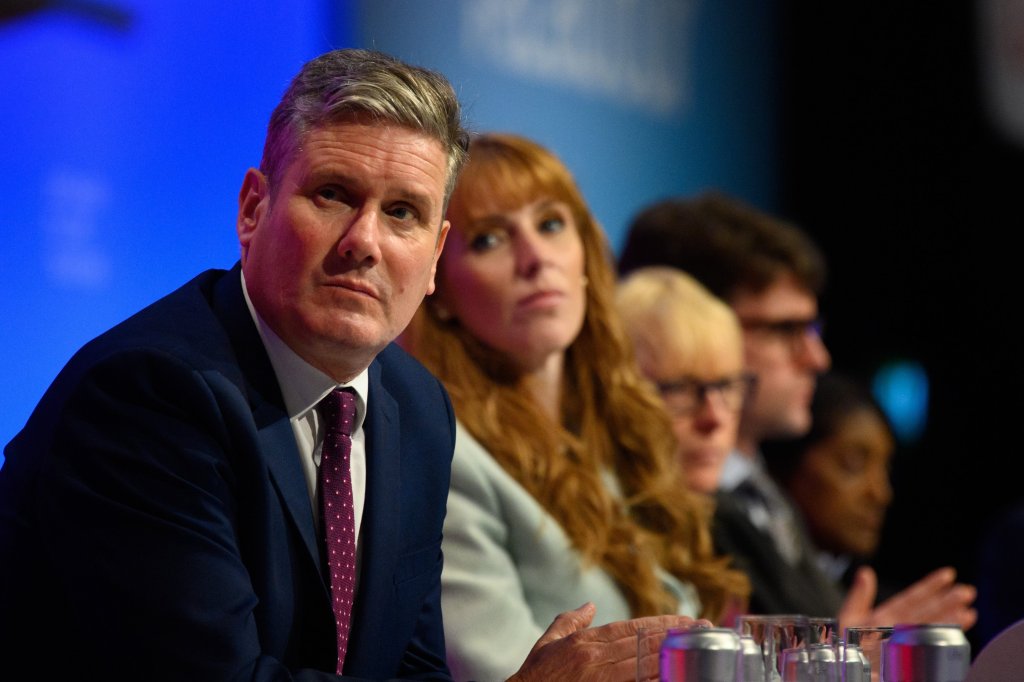
At Labour’s annual conference last year, delegates voted in favor of motions recognizing alleged atrocities in Gaza and calling for tougher action, including sanctions. Those resolutions, while largely symbolic, reflect growing impatience among the Labour base and affiliated unions with the UK government’s response to the crisis. The party leadership, led by Sir Keir Starmer, has been more cautious, balancing pressure from activists with diplomatic and political considerations.
Pressure from within the broader Labour movement has continued. Delegates at events like the party’s Muslim conference urged leadership to confront rising Islamophobia in the UK and press Israel with measures similar to those used against other countries guilty of human rights abuses. Advocates say sanctions could range from freezing assets of individuals linked to violent policies to broader trade actions aimed at penalizing settlement activity in occupied territories.
Why Sanctions Are Being Discussed
Supporters argue that the UK has a legal and moral obligation to respond to what they see as violations of international law. Labour MPs and activists point to calls from civil society and international bodies for Britain to align its foreign policy with established human rights norms, noting that the UK has previously sanctioned other countries for comparable issues.
Many proposals also emphasize the need to differentiate between the internationally recognized state of Israel and activities linked to illegal settlement expansion in the West Bank. Labour activists advocating sanctions say that targeting trade or economic links with settlements would signal disapproval of policies considered counter to peace efforts.
Internal Party Dynamics and Broader Debate
The push for sanctions has exposed divisions within Labour. Grassroots delegates and progressive MPs have pressed for robust action, while party leadership has largely resisted making sanctions official policy. This reflects broader concerns about maintaining diplomatic relationships while responding to calls for accountability.
Opposition within the party also comes from groups like Labour Friends of Israel, which advocates for a strong bilateral relationship with Israel and supports a negotiated two-state solution. Such groups argue that sanctions could undermine diplomatic efforts and have unintended economic and political consequences.
Public Pressure and Protests
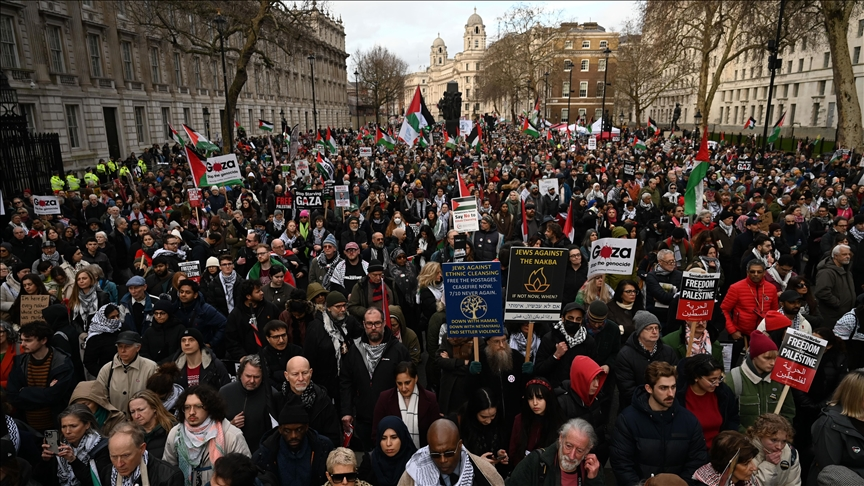
Outside Parliament, public demonstrations and campaigns have amplified pressure on Labour politicians to adopt firmer stances on Israel and Palestine. Pro-Palestinian marches demanding arms embargoes and sanctions have drawn significant crowds across the UK, reinforcing voices calling for decisive government action.
What Comes Next
At present, sanctions are not official UK government policy. But growing calls from MPs, party members, and civil society groups mean the issue is unlikely to fade quickly. The debate sits at the intersection of foreign policy, human rights, and internal party politics, and could shape Labour policy in the months and years ahead.
—Sylvester Loving, B1Daily

 B1Daily
Leave a comment