—Kerry Hill, B1Daily
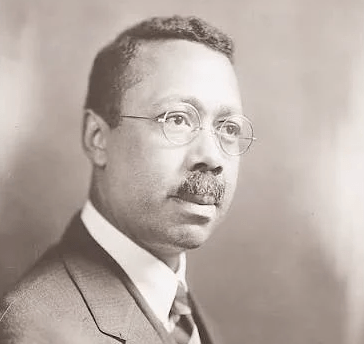
Dr. William Augustus Hinton stands as one of the most important yet underrecognized medical scientists in American history. A pioneering bacteriologist, educator, and researcher, Hinton made lasting contributions to diagnostic medicine—most notably improving the accuracy and reliability of syphilis testing at a time when misdiagnosis carried devastating social and medical consequences.
Born in 1883 in Chicago to parents who had escaped enslavement, Hinton grew up in a period when opportunities for Black Americans in medicine were severely limited. Despite these barriers, he excelled academically and earned admission to Harvard University, where he would later make his most enduring scientific contributions.
Revolutionizing Syphilis Diagnosis
Hinton’s most significant achievement came through his work in serology, the study of blood-based diagnostic testing. Early syphilis tests were notoriously unreliable, producing false positives that led to stigma, mistreatment, and unnecessary medical interventions.
Hinton developed and refined a more accurate diagnostic method known as the Hinton test, which significantly improved reliability in detecting syphilis infections. His work helped standardize testing procedures and became widely respected in clinical laboratories across the United States.
In recognition of his expertise, Hinton became the first Black American to author a medical textbook and was appointed as a professor at Harvard Medical School—an extraordinary milestone during a time of rigid racial exclusion in academia.
A Life in Science and Education
Beyond his laboratory achievements, Hinton dedicated much of his life to teaching and public health. He trained generations of medical professionals, emphasizing precision, ethics, and scientific rigor. His textbook on syphilis diagnosis became a foundational reference in laboratory medicine for decades.
Despite his accomplishments, Hinton often worked in an era where his contributions were minimized due to racial discrimination. Nevertheless, he remained committed to advancing public health and expanding access to accurate medical knowledge.
Legacy and Significance for American Freedmen
Dr. Hinton’s legacy holds profound meaning within the history of American Freedmen—the descendants of those who endured enslavement and its aftermath. His life represented a powerful counter-narrative to the systemic barriers placed on Black Americans in science and medicine.
As a descendant of that lineage, Hinton’s achievements symbolized intellectual excellence, resilience, and progress in a society that often denied recognition to Black professionals. His success demonstrated the capacity of Freedmen descendants not only to participate in American scientific advancement but to shape it at the highest levels.
Today, Hinton is remembered not only for his medical innovations but also as a figure who expanded what was possible for Black scientists in the United States. His work continues to influence laboratory medicine, while his life remains a testament to perseverance in the face of institutional exclusion.
—Kerry Hill, B1Daily





Leave a comment