—Kerry Hill, B1Daily
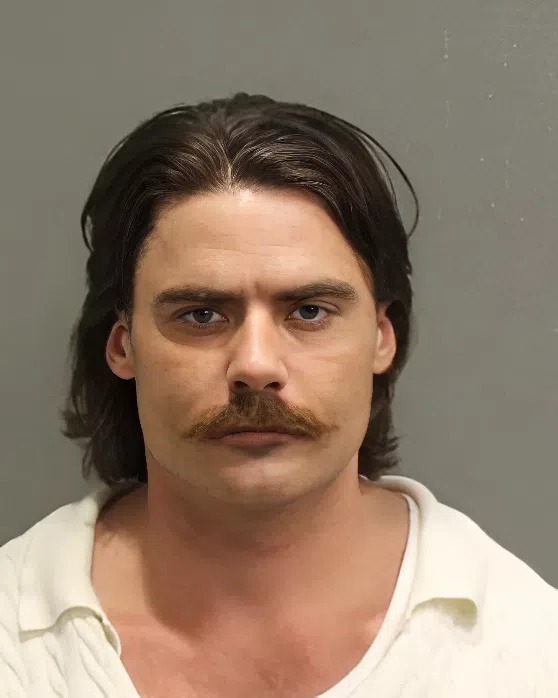
The internet spent years treating racist livestreamer Dalton Eatherly, better known online as “Chud the Builder,” like some kind of edgy circus attraction. He built a following off harassment, racial provocation, and deliberately antagonizing Black people in public for clicks, donations, and viral outrage.
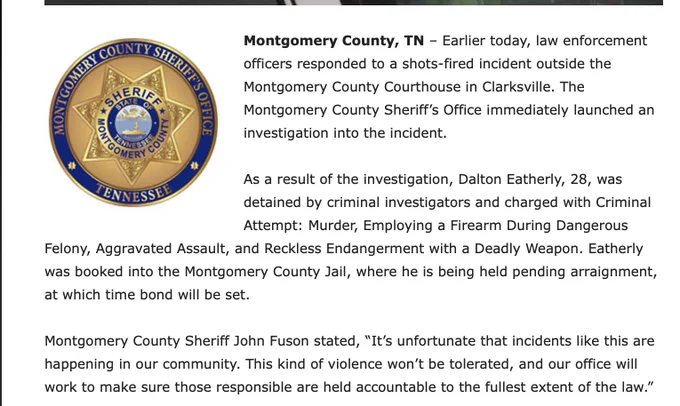
This week, that dangerous performance finally crashed headfirst into reality outside a courthouse in Clarksville, where authorities say Eatherly shot a Black man during a confrontation and now faces attempted murder charges along with theft of services, disorderly conduct and resisting arrest, according to an affidavit.
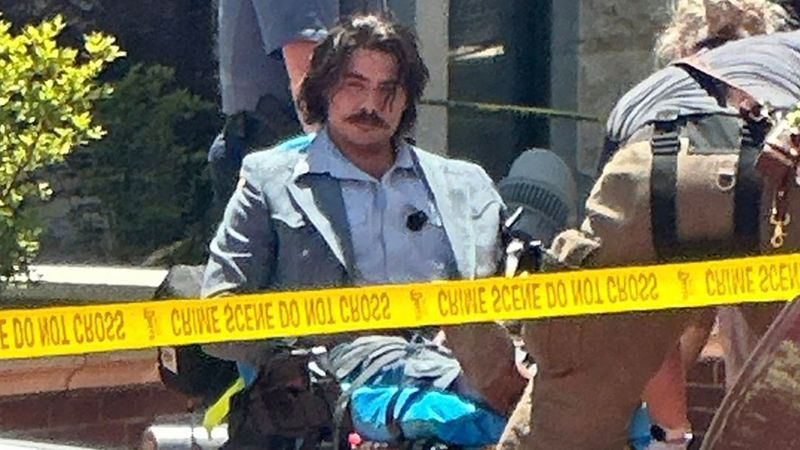
According to authorities, the shooting happened outside the Montgomery County Courthouse after a confrontation escalated into gunfire. Eatherly was arrested and charged with attempted murder, aggravated assault, reckless endangerment, and firearm-related offenses. Both Eatherly and the wounded man were hospitalized and reported in stable condition.
For many observers, the charges were not shocking. The shocking part was that it took this long.
“Chud the Builder” didn’t become infamous because of political debate or controversial opinions. He became notorious because his content revolved around humiliation theater. Videos allegedly showed him approaching Black people in public spaces while spewing racial slurs, baiting confrontations, and weaponizing livestream culture to farm attention. Community members in Clarksville had reportedly warned for months that the situation would eventually spiral into violence.
And that’s the ugly machine underneath a large section of modern outrage-streaming culture.
Platforms reward escalation. Audiences reward cruelty. Algorithms reward chaos.
The louder the provocation, the more money flows.
Across livestream ecosystems, a growing number of creators have realized they can monetize racial hostility like digital pit fighters throwing raw meat into a crowd. Some creators frame it as “free speech.” Others hide behind irony and memes. But eventually the line between performance and real-world danger starts dissolving like paper in rainwater.
Authorities and reporters noted that Eatherly had already built a reputation around racially charged public confrontations before the courthouse shooting. He had also reportedly been arrested days earlier in a separate incident involving disruptive behavior at a restaurant.
That pattern matters.
Because incidents like this rarely appear out of nowhere. They build slowly through repeated escalation, increasingly reckless behavior, and online audiences cheering the spectacle forward from behind phone screens.
The courthouse shooting now places renewed scrutiny on livestream platforms and extremist internet subcultures that transform racial antagonism into entertainment content. Critics argue these ecosystems blur accountability by treating harassment as “content creation” until someone gets seriously hurt.
And now somebody did.
There will undoubtedly be debate over self-defense claims, video footage, and the exact sequence of events. That process belongs in court. But the broader reality remains unavoidable: a man who allegedly built his online brand around racist provocation is now sitting in jail facing attempted murder charges after a real-world shooting.
The algorithm finally reached the part where blood entered the frame.
—Kerry Hill, B1Daily



Leave a comment