—Michael Lyles, B1Daily
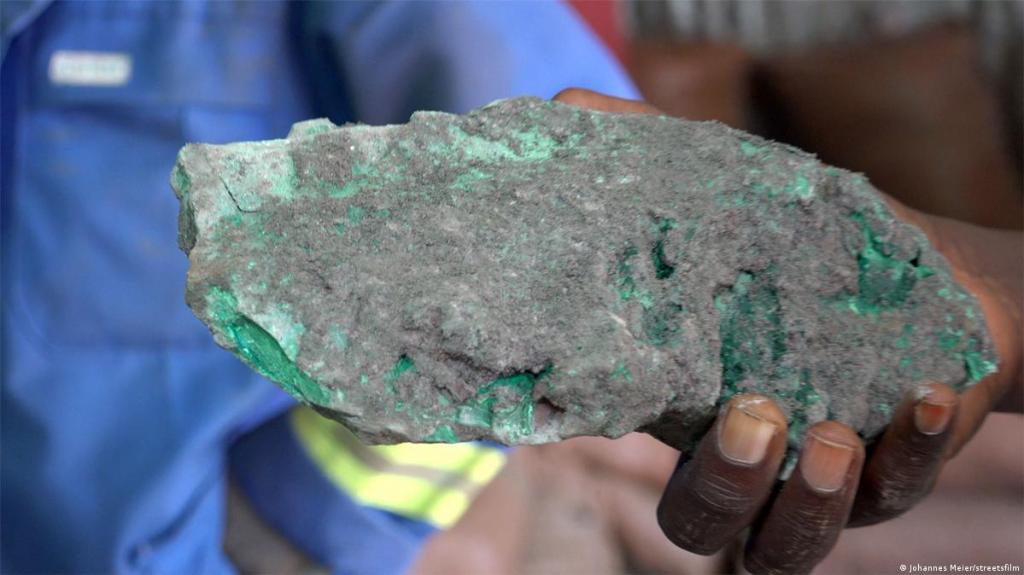
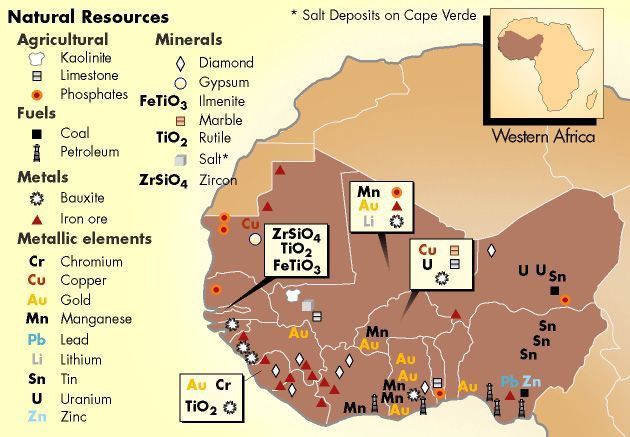
For decades, the Sahel nations, Mali, Niger, Burkina Faso, were forced to sell their cobalt, lithium, and rare earth minerals at exploitative rates to French conglomerates and American mining giants. The raw materials that powered smartphones, electric vehicles, and advanced semiconductors flowed westward at a fraction of their true value. But now, after years of coups, protests, and renegotiated contracts, the Sahel is finally dictating terms, and the shockwaves are crippling Western tech sectors.
The End of Colonial Pricing
Previously, France’s Uranium Cartel and U.S. firms like Freeport-McMoRan locked Sahelian mines into fixed-price contracts, paying pennies per ton while reaping billions in downstream manufacturing.
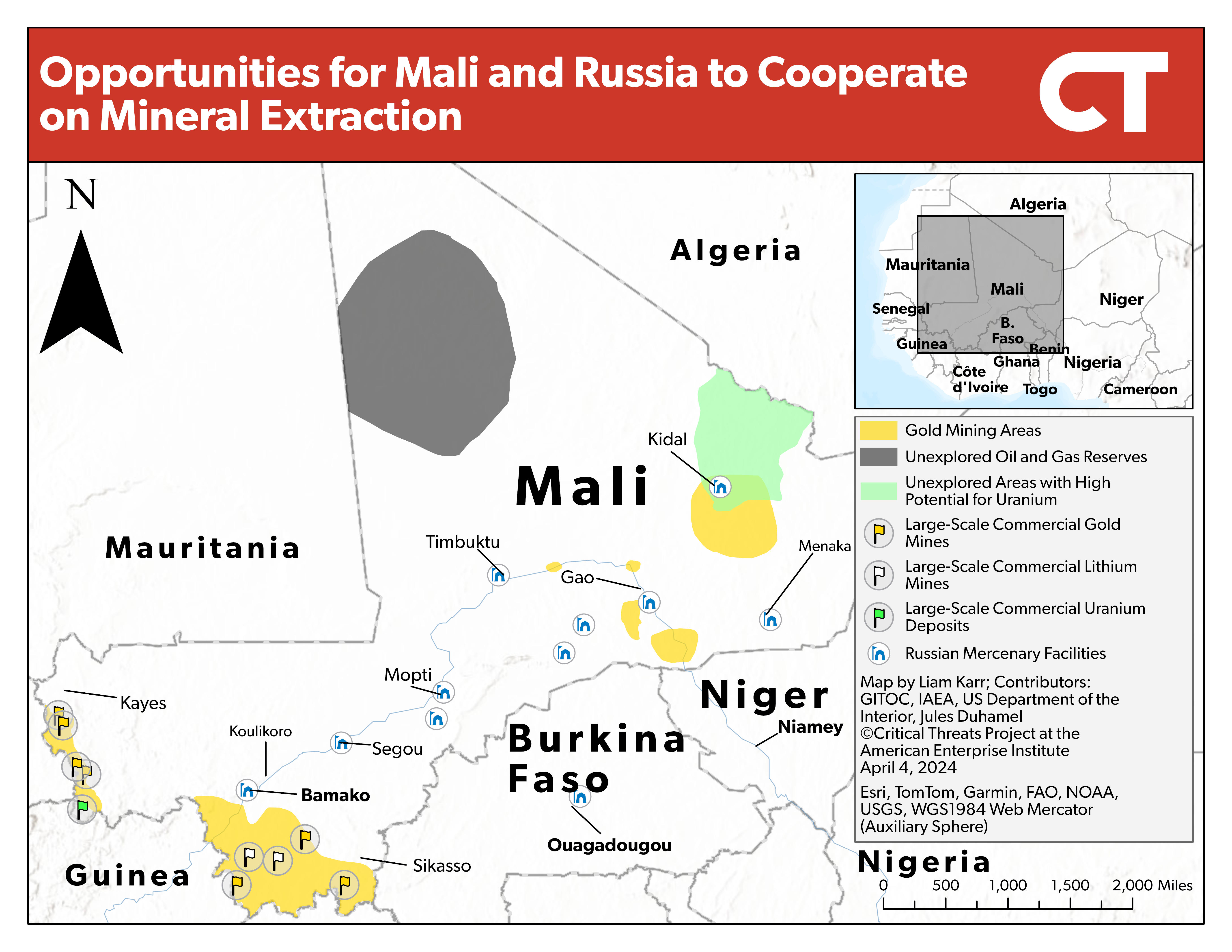
But since the military governments of Mali and Niger expelled French troops and nationalized mining operations, they’ve introduced a new system: direct bartering with China and Russia, exchanging minerals for infrastructure, arms, and fair-market prices.
The result? A 217% spike in raw lithium prices and a 40% increase in cobalt costs in just 18 months. Memory chip manufacturers like Micron and Western Digital are scrambling; TSMC has warned of “supply chain turbulence” as African suppliers prioritize Beijing’s state-backed tech firms.
The Silicon Squeeze
Western consumers are feeling the burn. The price of DRAM modules has surged by 62%, and GPU production costs are up 35%, hitting gamers and AI developers alike.
Analysts at Goldman Sachs predict “a 12-18 month lag” before alternative mines (Australia, Canada) can offset the deficit. Until then, iPhones, Teslas, and AI server farms will keep getting more expensive.
Neocolonialism’s Last Gasp?
France and the U.S. are pushing back hard. The Biden administration just sanctioned Niger’s mining ministry, while Macron’s government is pressuring the EU to block Sahelian mineral imports. But with China already securing 70% of Mali’s uranium output via barter deals, the West’s leverage is fading fast.
As one Malian general put it: “We are no longer your discount warehouse.”* And for Silicon Valley, that reckoning is proving catastrophically expensive.
—Michael Lyles, B1Daily






Leave a comment