—Sylvester Loving, B1Daily
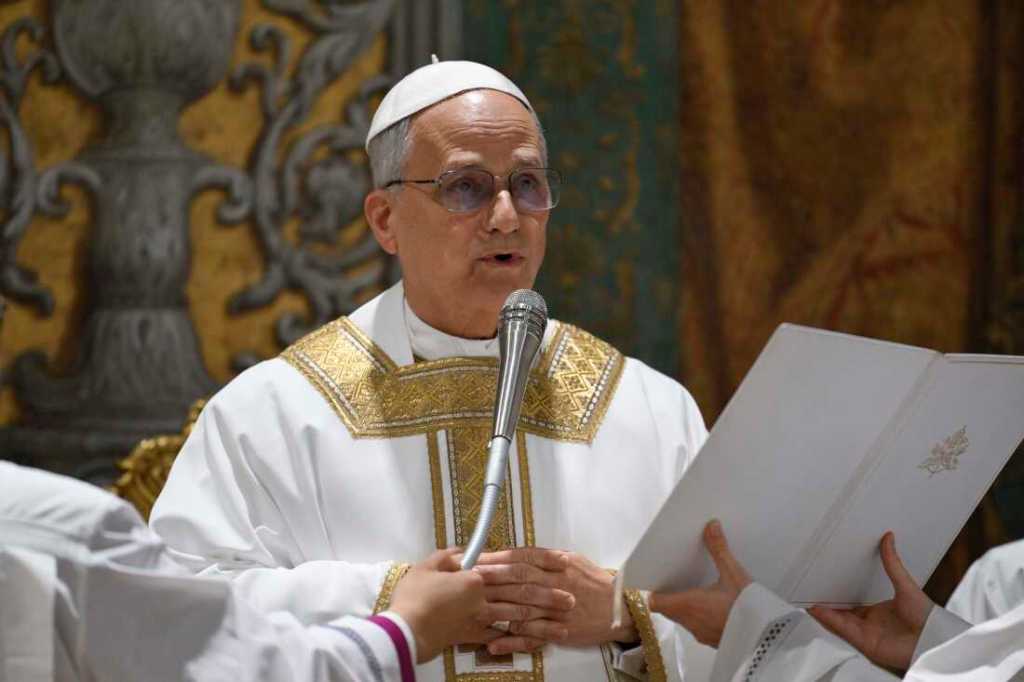
The Catholic Church has finally admitted what historians, descendants, and Black communities have said for generations: the institution helped legitimize slavery, profited from it, and failed morally when humanity needed courage instead of silence.
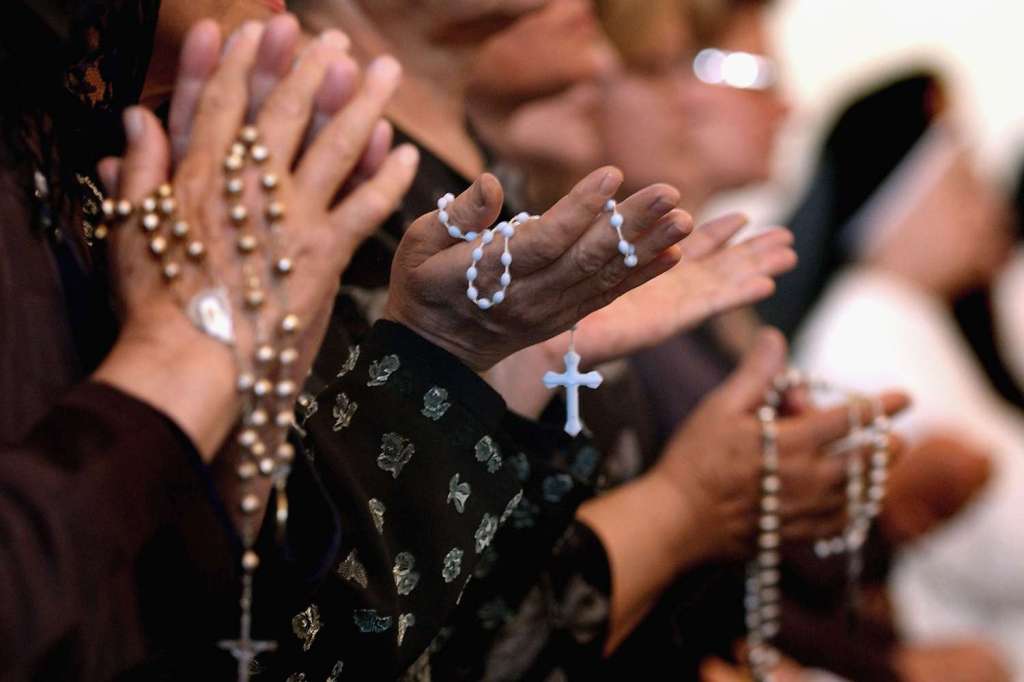
But apologies without material action are just incense floating through a cathedral ceiling, dramatic for a moment before disappearing into nothing.
An apology is not accountability.
For centuries, parts of the Catholic Church did not merely coexist with slavery. They participated in it. Catholic institutions owned enslaved Africans, benefited economically from forced labor, and in many cases provided theological cover for systems of racial domination that scarred entire continents. The wealth accumulated during those centuries did not evaporate. It became land holdings, universities, political influence, investment portfolios, and institutional power that still exist today.
That is why many critics are rejecting the idea that a public statement from the Vatican, no matter how historic, should be treated as the conclusion of the conversation rather than the beginning of it.
The numbers alone expose the scale of the contradiction. The Catholic Church remains one of the wealthiest institutions on Earth, with enormous real estate holdings, priceless artifacts, banking interests, and global influence stretching across nearly every continent. Meanwhile, many descendants of enslaved populations continue to suffer from generational poverty, underfunded schools, housing inequality, healthcare disparities, and systemic economic exclusion that slavery directly helped create.
The Church cannot spend centuries helping construct the architecture of exploitation and then act as though moral regret alone settles the debt.
This is especially true in the Americas, where Catholic dioceses and religious orders directly benefited from slave economies. In the United States, institutions tied to the Church owned enslaved people and sold them for financial survival. One of the most infamous examples involved Jesuit priests selling enslaved Black people in the 19th century to stabilize Georgetown University’s finances. That history is not symbolic. It is transactional. Human beings were converted into liquidity to preserve an institution that still exists and thrives today.
And yet the modern Church often speaks about slavery as though it were an unfortunate weather pattern that drifted across history rather than an economic machine many religious institutions actively touched, fed, and defended.
Real repentance requires restitution.
Critics increasingly argue that if the Church truly wants moral credibility on this issue, it must move beyond ceremonial language and toward structural action. That means funding educational programs in historically exploited communities, opening all archival records connected to slavery, financing descendant initiatives, supporting reparative justice projects, and directly investing in communities harmed by centuries of racial exploitation.
Anything less risks turning repentance into public relations theater wrapped in sacred robes.
The deeper problem is that institutions often love symbolic morality because symbols are cheap. Statues can be removed. Speeches can be delivered. Ceremonies can be televised beneath candlelight and stained glass while the underlying power structures remain untouched. But redistribution of resources, institutional transparency, and reparative investment threaten actual comfort. That is where apologies usually begin to lose momentum.
The Church now faces a defining moral test. It can either treat its slavery apology as a historical press release meant to soften criticism, or it can become one of the first major global institutions to seriously confront what accountability for centuries of exploitation might actually look like in material terms.
History has already recorded the Church’s role in slavery. The only unanswered question now is whether the institution truly believes repentance should cost something.
Because if the answer is no, then the apology becomes less an act of justice and more a carefully polished confession booth where the powerful ask forgiveness while keeping the inheritance.
—Sylvester Loving, B1Daily






Leave a Reply