—Sylvester Loving, B1Daily
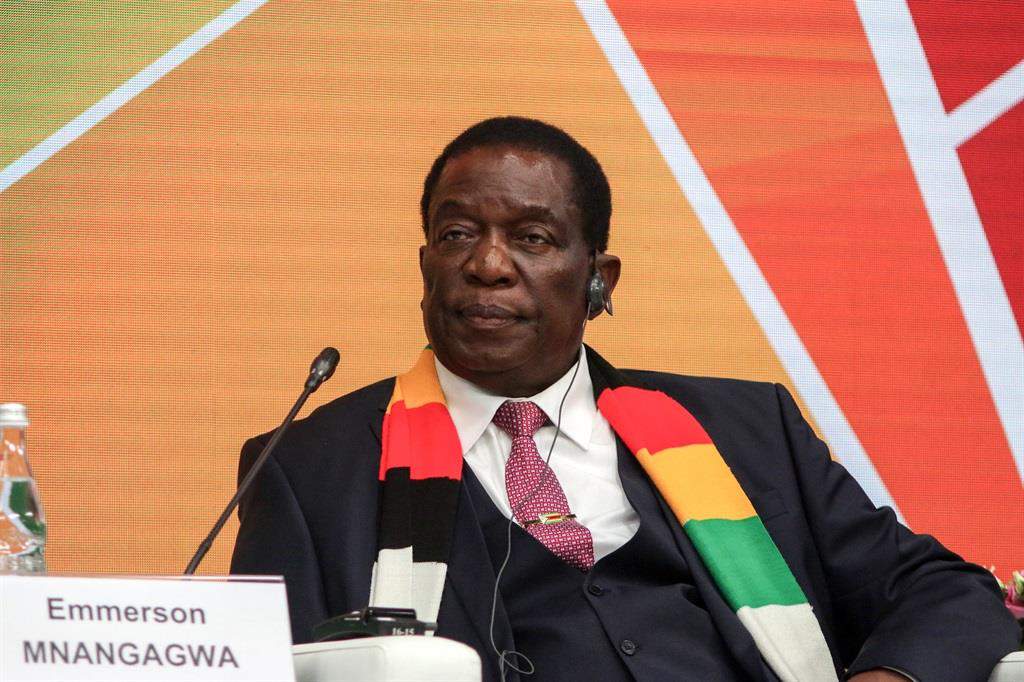
President Emmerson Mnangagwa’s recent signing of legislation effectively pushes his tenure as leader of Zimbabwe to 2030. For those watching the trajectory of Southern African politics, this isn’t merely a legal adjustment; it is a masterclass in the architecture of political survival.
The move, detailed in recent reports, signals a strategic shift from the traditional cycle of democratic renewal toward a model of “stability through permanence.” By extending his presidency, Mnangagwa isn’t just winning a political battle, he is redefining the boundaries of the Zimbabwean state.
To the casual observer, a change in law may seem like a bureaucratic formality. However, in the context of Zimbabwean governance, the “how” is as important as the “what.” This extension does not happen in a vacuum; it is the result of a carefully curated alignment between the executive branch and the legislative machinery.
By securing his position until 2030, Mnangagwa effectively removes the immediate pressure of an electoral cycle that could be volatile. It allows the ruling party to consolidate power without the distraction of a campaign trail, ensuring that the state apparatus remains synchronized with the presidency.
The official rhetoric surrounding the extension usually centers on “continuity.” The argument is simple: the country is in the midst of a long-term economic recovery (Vision 2030), and a change in leadership would derail the progress made in attracting foreign investment and stabilizing the currency.
However, critics argue that this “stability” is a euphemism for stagnation. When the window for leadership change is pushed a decade into the future, the incentive for government accountability plummets. The “democratic deficit” grows wider when the populace realizes that the mechanisms for change have been legally bypassed.
Zimbabwe is not an island. Across the African continent, there is a recurring trend of “constitutional gymnastics”, where leaders use legal amendments to bypass term limits or extend their stay in power. From the Sahel to the Gulf of Guinea, the pattern is similar: use the law to override the spirit of the law.
By extending his term to 2030, Mnangagwa joins a lineage of leaders who believe that the survival of the state is inextricably linked to their own personal survival in office.
The signing of this law creates a predictable environment for the elite, but an unpredictable one for the public. The primary questions now facing Zimbabwe are the fact that the treasury is bleeding out in slow, rhythmic pulses, yet the architects of the regime are treating the hemorrhage as a feature of the design.
They have wagered that a leadership structured for longevity, calcified and enduring, can outlast the volatility of the markets, but the gamble ignores the friction of a population sliding from passive acceptance into a silent, fervent rage.
While the streets remain quiet, the opposition is simply moving underground, breeding in the gaps between official decrees. Meanwhile, the Western trade partners, who once viewed the presidency as a temporary inconvenience, are beginning to realize that 2030 is no longer a deadline, but a horizon. The world is watching a state transform its leadership into a monument, oblivious to the fact that monuments are designed to be weathered.
The extension of Emmerson Mnangagwa’s presidency is more than a political maneuver; it is a statement of intent. It tells the world and the Zimbabwean people, that the current administration believes the risk of a transition is greater than the risk of a prolonged grip on power.
In the quest for “stability,” the cost may well be the very democratic vitality the country needs to truly prosper. The clock may have stopped for the presidency, but for the people of Zimbabwe, the countdown to 2030 has officially begun.
—Sylvester Loving, B1Daily




Leave a comment