—Barrington Williams, B1Daily
Black Americans have long been among the Democratic Party’s most dependable voting constituencies. Their political participation has helped shape presidential elections, congressional contests, and state races across the country. Now, following the 2026 midterms, advocates are renewing a question that has followed the party through multiple election cycles: What concrete legislation will address the historical and continuing harms experienced by Black Americans?
Two proposals stand at the center of that conversation: federal reparations for descendants of American slavery and legislation specifically addressing anti-Black hate crimes.
The debate is not simply about political representation. It concerns whether electoral influence can produce measurable changes in federal policy, particularly on issues that have remained unresolved despite decades of civil rights advocacy.
Reparations: From Campaign Discussion to Congressional Action
Federal reparations legislation is not a new concept. H.R. 40, introduced repeatedly in Congress, would establish a commission to study slavery’s legacy and develop reparations proposals. It would not itself authorize direct payments.
For advocates of lineage-based reparations, however, another study is only the beginning. Their proposals often include direct compensation, housing assistance, educational investment, business development programs, and measures addressing documented discriminatory federal policies.
Supporters argue that the federal government’s historical involvement in slavery, segregation, and discriminatory housing practices creates an obligation to consider remedies for eligible descendants.
Opponents raise questions about eligibility, costs, constitutional considerations, and whether race-neutral economic programs would better address contemporary inequality.
Those disagreements have kept reparations from advancing into a comprehensive federal compensation program. A new Congress presents another opportunity to debate whether a commission, direct legislation, or a combination of approaches should move forward.
Why a Specific Anti-Black Hate Crime Bill Is Being Discussed
The second proposal concerns stronger protections against anti-Black violence, intimidation, and harassment.
Federal law already addresses hate crimes motivated by race. The Matthew Shepard and James Byrd Jr. Hate Crimes Prevention Act of 2009 expanded federal authority to prosecute certain bias-motivated offenses, including crimes targeting Black Americans.
Nevertheless, advocates for a more specifically focused measure argue that Congress could strengthen reporting requirements, improve investigations, fund victim services, and establish more detailed federal oversight of anti-Black hate crimes.
Such legislation could also examine threats and intimidation directed at Black communities, while preserving constitutional protections for lawful expression.
The policy question is whether a targeted statute would close identifiable enforcement gaps that existing civil rights and hate crime laws have not adequately addressed.
Black Voters and the Question of Political Accountability
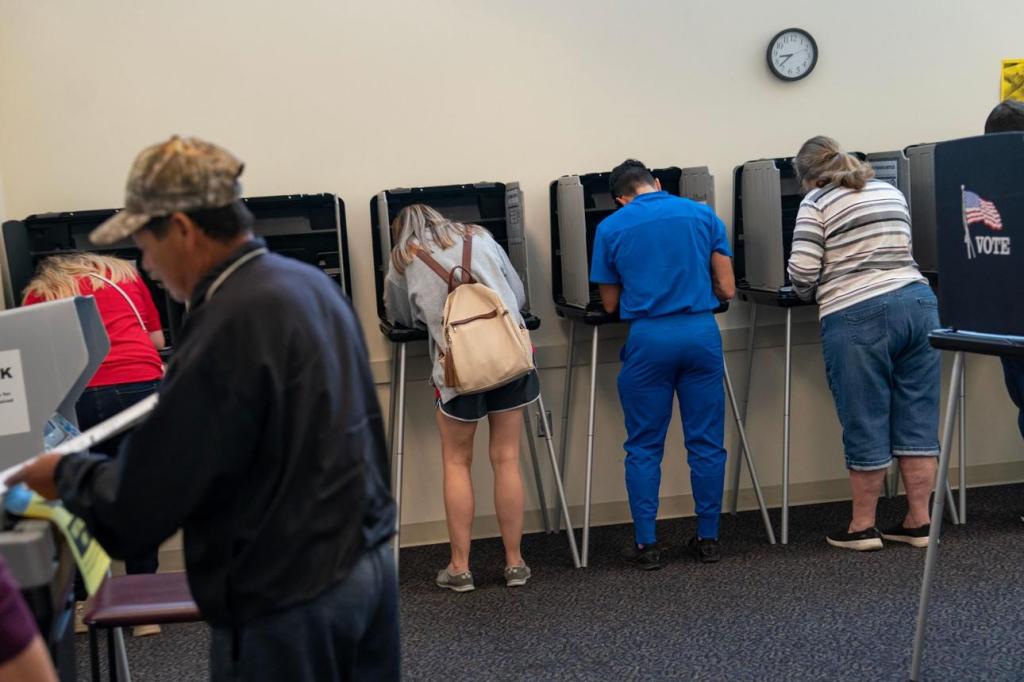
The 2026 midterms have given Democrats control of both the House and Senate, according to Associated Press and Reuters reporting. Early national exit-poll analysis also indicates that approximately 83% of Black voters supported Democratic House candidates, compared with 13% supporting Republicans. AP News+2
That voting pattern gives renewed relevance to debates over how the party responds to its Black constituency.
The NAACP has already praised strong Black voter participation in the election. But high turnout does not automatically establish agreement on reparations, and Black voters hold diverse priorities, including healthcare, employment, housing, education, and public safety.
For reparations advocates, the challenge is to turn longstanding demands into specific legislative commitments. That includes determining whether Democratic congressional leaders will schedule hearings, bring proposals to committee votes, and publicly explain their positions.
Winning Congress Is Not the Same as Passing a Law
The Democratic victory creates new legislative possibilities, but important obstacles remain. The incoming Congress does not take office until January 2027, and President Donald Trump retains the power to veto legislation. Most Senate legislation also remains subject to the chamber’s 60-vote cloture threshold.
Democratic leaders have identified economic affordability, healthcare, and congressional oversight among their immediate priorities. Whether reparations or a targeted anti-Black hate crime proposal will become part of that agenda remains uncertain. AP News+1
A meaningful legislative debate would require more than general statements of support. It would involve publicly available bill text, defined eligibility standards where applicable, funding mechanisms, hearings, and recorded votes.
The Question Facing the New Democratic Congress
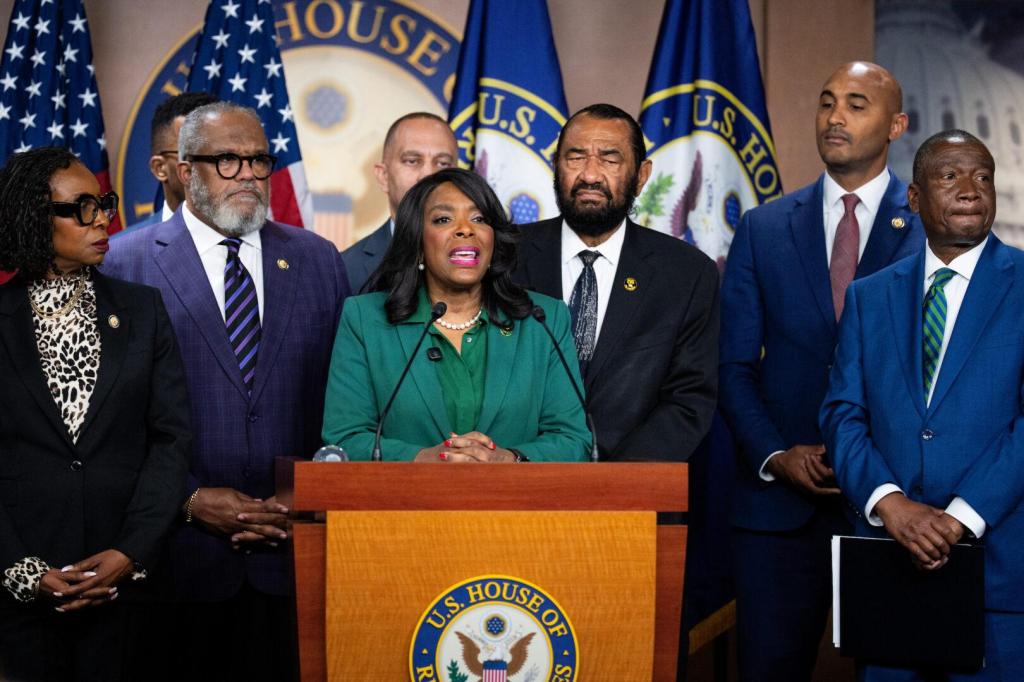
The larger issue is whether the Democratic Party’s electoral relationship with Black Americans will produce new policy commitments on racial justice.
Reparations supporters view federal compensation as a response to specific historical government wrongdoing. Advocates of stronger hate crime protections emphasize enforcement and public safety. Critics of both proposals question their design, necessity, and potential consequences.
Those disagreements deserve substantive congressional debate rather than indefinite postponement.
With Democrats preparing to lead both chambers, lawmakers will have greater control over which proposals receive hearings and votes. The coming legislative session will reveal whether reparations and targeted anti-Black hate crime protections become serious items on the congressional agenda or remain unresolved political demands.
—Barrington Williams, B1Daily



Leave a Reply