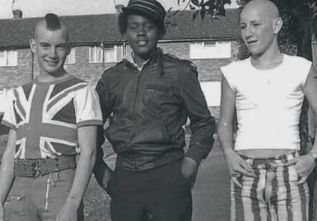
Mention the word skinhead today, and most Americans immediately imagine a tattooed white supremacist wearing combat boots, displaying Nazi symbols, and shouting racial slurs. But the original British skinhead movement looked considerably different from the racist caricature that eventually consumed its reputation.
The subculture emerged in late-1960s Britain from working-class youth, particularly white British hard mods and Jamaican-influenced rude boy culture. Black Caribbean music, fashion, and street culture were essential to its development, long before neo-Nazis attempted to claim the identity.
The skinhead story is not simply one of white rebellion. It is also a story of Black cultural influence, interracial working-class communities, and the eventual politicization of a youth movement.
Jamaican Rude Boys Helped Build the Skinhead Identity
During the 1960s, Jamaican immigrants brought ska, rocksteady, reggae, and distinctive street fashions into British cities. Young Jamaican rude boys, known for sharp clothing, rebellious attitudes, and their association with Jamaican popular music, became influential figures in Britain’s developing youth culture.
White working-class teenagers, particularly those emerging from the mod scene, adopted elements of these styles. Cropped hair, boots, braces, button-down shirts, and an appreciation for Jamaican music became recognizable features of the early skinhead movement.
Black musicians such as Desmond Dekker, Prince Buster, and Laurel Aitken provided much of its soundtrack. Jamaican records filled British dance halls, bringing Black and white working-class teenagers into shared cultural spaces.
The movement was not created exclusively by Black youth, nor was it entirely free from racism. Nevertheless, without Jamaican cultural influence, the original British skinhead identity would have looked and sounded dramatically different.
How Racists Hijacked the Movement
By the late 1970s, Britain’s economic struggles, unemployment, racial tensions, and growing far-right political movements created an opportunity for extremist recruitment.
Organizations such as the National Front and British Movement began targeting disaffected working-class youth, including skinheads, at football stadiums, concerts, and neighborhood gathering places.
The movement’s revival alongside punk rock and the emergence of Oi! music created another avenue for political recruitment. Although Oi! was not inherently racist, white nationalist organizations exploited parts of the scene to spread their ideology.
Bands such as Skrewdriver, which transformed from a punk outfit into a white-power group, helped establish a racist musical subculture. By the 1980s, neo-Nazi skinheads were increasingly associated with swastikas, racist violence, and organized extremist networks.
However, racism had not been entirely absent from the original movement. Some early skinheads participated in violent attacks against South Asian immigrants during the late 1960s and early 1970s. The later neo-Nazi movement therefore represented both an ideological transformation and an intensification of prejudices already present within parts of the scene.
By the mid-1980s, racist skinhead organizations had spread beyond Britain into Europe and the United States, helping establish the white supremacist image that continues to dominate popular culture.
Black Punk Rockers Fought Back Against Racism
While racist organizations attempted to capture skinhead culture, Black British musicians were helping redefine punk, reggae, and alternative music.
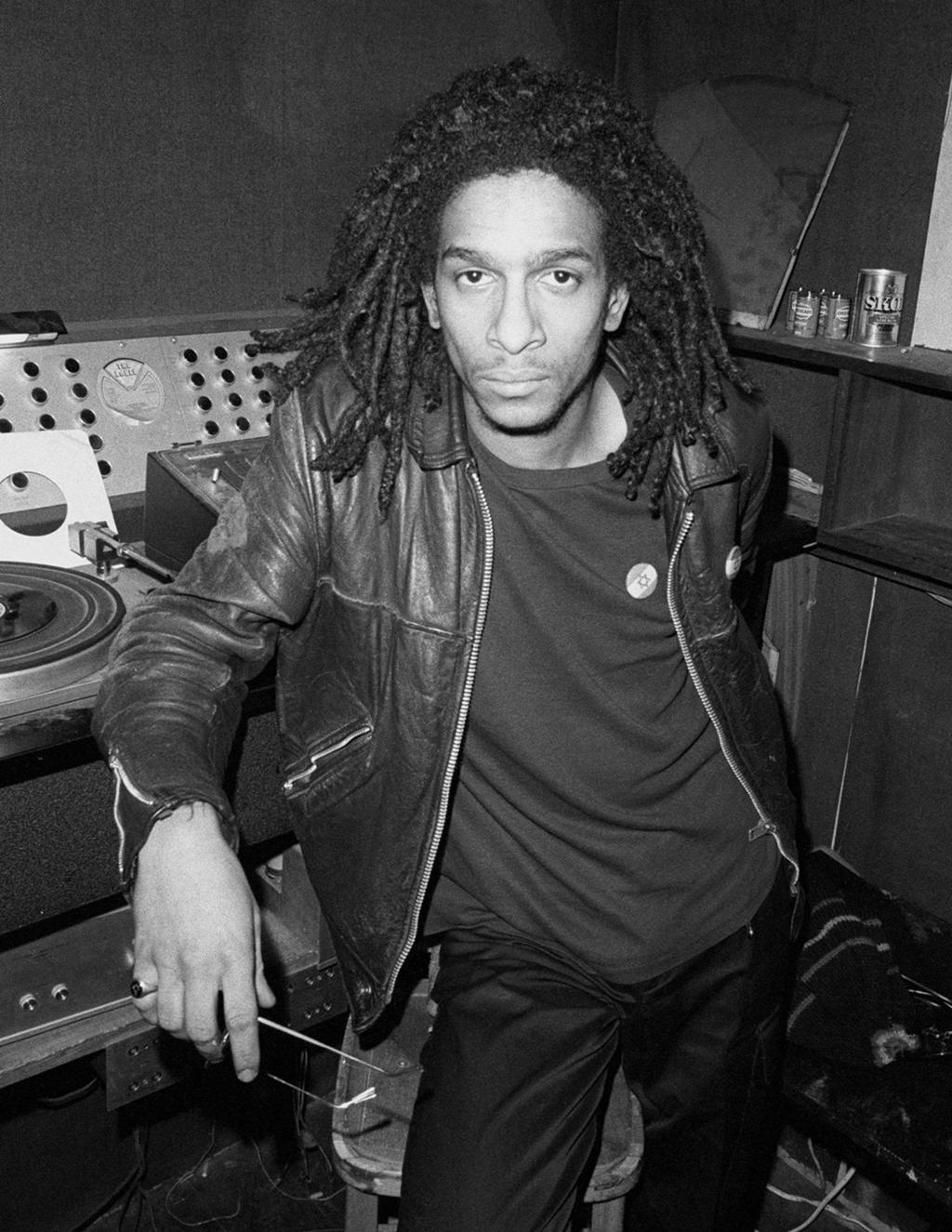
Don Letts, a British filmmaker and DJ of Jamaican heritage, became an influential figure in London’s punk scene. His reggae selections at the Roxy nightclub introduced punk audiences to Jamaican sounds and helped strengthen the relationship between reggae and punk rock.
Poly Styrene, the British-Somali frontwoman of X-Ray Spex, challenged expectations surrounding race, gender, consumerism, and identity through her distinctive punk performances.
Pauline Black, frontwoman of the multiracial ska band The Selecter, became another prominent voice in Britain’s musical rebellion. Alongside groups such as The Specials and The Beat, the Two Tone movement revived Jamaican ska while openly challenging racial divisions.
Rock Against Racism, founded in 1976, brought punk and reggae musicians together to oppose the growing influence of Britain’s far right.
These artists demonstrated that punk’s rebellious identity did not belong exclusively to white musicians, much less white supremacists.
Not All Skinheads Became Nazis
Despite the movement’s increasingly notorious reputation, traditional and anti-racist skinheads continued to reject white supremacy.
Some maintained the original subculture’s devotion to Jamaican ska, reggae, soul, and working-class fashion. Others became politically active against fascist organizations.
In 1987, Skinheads Against Racial Prejudice, commonly known as SHARP, emerged in New York before gaining international recognition. Its members rejected the notion that neo-Nazis represented authentic skinhead culture.
The organization emphasized the movement’s multiracial origins and sought to reclaim its identity from white supremacist groups.
This distinction remains important because skinhead culture never developed into one unified political movement. Traditional, anti-racist, left-wing, apolitical, and white nationalist skinheads have all existed, often in direct conflict with one another.
A Black Cultural Legacy Buried Beneath Nazi Imagery
The history of skinheads reveals how cultural movements can become separated from the communities that helped create them.
Jamaican immigrants and Black British youth contributed essential music, fashion, and cultural attitudes to the original movement. Yet the international image of the skinhead eventually became dominated by white supremacist organizations that embraced symbols and ideologies fundamentally at odds with much of that heritage.
Black punk musicians and anti-racist skinheads resisted that transformation, preserving an alternative history often overlooked in popular accounts.
The original skinhead was not automatically a Nazi, and the culture was never exclusively white. Its foundations were built through working-class British and Jamaican cultural exchange, long before organized white supremacists made the shaved head and combat boots symbols of racial hatred.
Understanding that history does not erase the movement’s documented racism. It restores the Black cultural contributions that the modern stereotype too often leaves out.




Leave a Reply