—Barrington Williams, B1Daily
Four major emergencies struck American infrastructure within a remarkably short period. A credible bomb threat forced evacuations around an Illinois ethanol plant. A tanker struck a passenger vessel in New Orleans. Microsoft’s Outlook services experienced a widespread outage. And the Federal Aviation Administration temporarily grounded thousands of flights nationwide.
The proximity of these events raises an understandable question: Is America witnessing unrelated failures, or could some incidents reflect a broader campaign of disruption?
There is currently no verified evidence connecting the four emergencies to one another or to domestic extremist organizations. Nevertheless, the incidents arrive against a documented history of far-right accelerationist movements plotting attacks against American infrastructure, making the broader security question worthy of serious examination.
Illinois: A Bomb Threat at an Industrial Facility
On November 13, authorities discovered a suspicious explosive device at BioUrja Renewables in Peoria, Illinois, triggering evacuations within a one-mile radius. The facility’s combustible materials increased concerns about the potential consequences of an explosion.
Bomb technicians rendered the device safe, and authorities lifted evacuation restrictions Saturday after completing their search. The FBI and Bureau of Alcohol, Tobacco, Firearms and Explosives joined the investigation.
Investigators have not publicly identified a perpetrator or established an ideological motive. The incident nevertheless demonstrates why industrial facilities remain particularly sensitive security locations.
New Orleans: A Tanker Collision on the Mississippi
That same Friday, the tanker Atlantic Asphalt struck the docked American Heritage river cruise ship near the Port of New Orleans. The impact overturned the passenger vessel and sent people into the water, injuring dozens.
Federal investigators are examining the collision, including reports of a possible steering failure. The National Transportation Safety Board recovered the tanker’s voyage data recorder as investigators began reconstructing the accident.
Nothing publicly established indicates sabotage, terrorism, or deliberate interference. However, the collision illustrated how a single failure at a major commercial waterway can produce an extraordinary emergency.
Microsoft and the FAA: America’s Digital Dependencies Exposed
The disruptions extended into the technological systems supporting everyday American life.
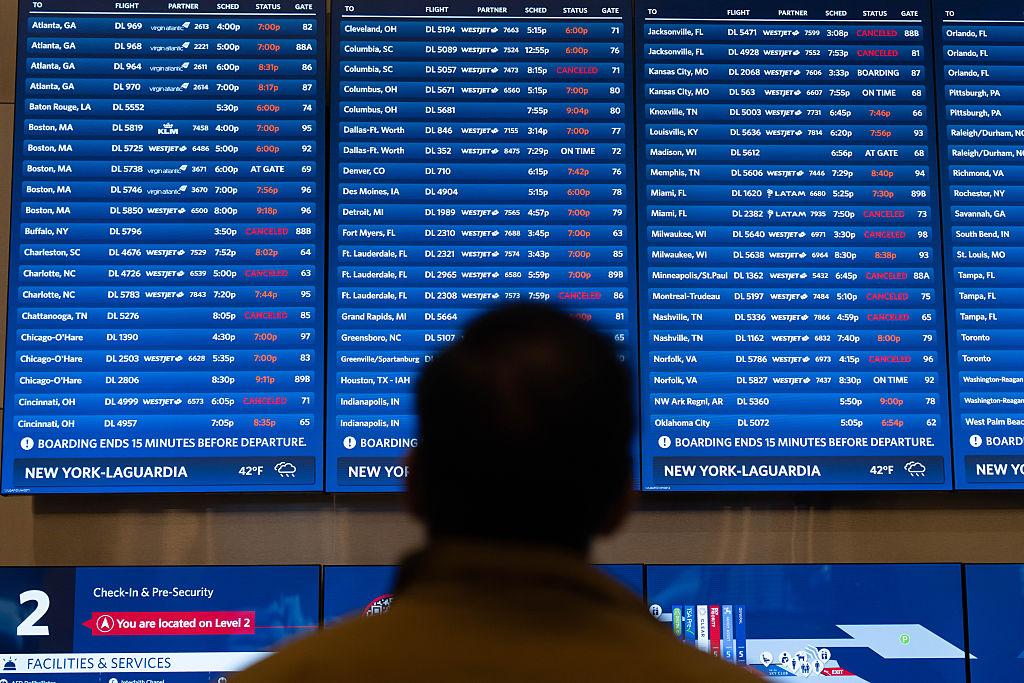
Microsoft Outlook experienced a widespread outage, interrupting communications for users and businesses. Separately, the FAA issued a nationwide ground stop on November 13 after telecommunications problems affected the stability of air traffic control communications and radar systems.
Federal transportation officials attributed the aviation disruption to technical infrastructure problems, with reporting identifying maintenance involving aging copper wiring. Authorities said they had found no evidence of a cyberattack or connection to Microsoft’s outage.
The distinction matters. A service outage is not automatically a cyberattack, and two systems failing during the same week does not establish coordinated sabotage.
Yet both incidents reveal how heavily the country depends on interconnected, sometimes aging technological infrastructure.
Atomwaffen, Patriot Front and the Accelerationist Threat
The concern about extremist involvement does not emerge from nowhere.
Atomwaffen Division, a neo-Nazi organization associated with violent white supremacist accelerationism, has a documented history of members advocating attacks intended to destabilize American society. Its founder, Brandon Russell, was implicated in a plot targeting Maryland’s electrical infrastructure.
Accelerationism is a strategy in which extremists seek to intensify social conflict or hasten institutional collapse, sometimes through attacks on infrastructure. Researchers at the Combating Terrorism Center at West Point have documented increased far-right infrastructure plotting since 2015, particularly involving electrical systems.
Other movements have different profiles. Patriot Front is a white nationalist organization primarily associated with propaganda, demonstrations, and organized public appearances. The Boogaloo movement is a decentralized anti-government extremist milieu whose adherents have expressed interest in civil conflict, with some individuals linked to violent plots.
Organizations such as the National Socialist Movement and violent actors associated with the broader neo-Nazi movement have also attracted federal attention. But these groups should not be treated as interchangeable, and their documented histories do not establish involvement in this week’s incidents.
Could Infrastructure Disruption Become a Weapon?
The larger national-security concern is that modern societies contain numerous potential points of failure. Industrial facilities, electrical networks, transportation corridors, communications services, and aviation systems all support essential economic activity.
Extremists interested in destabilization have historically viewed some of these systems as attractive targets. Successful disruption can create public fear, economic damage, and pressure on government institutions.
That history justifies preparedness and rigorous investigation. It does not justify assigning responsibility for unexplained accidents or technical failures to a particular ideological movement.
Investigators must establish intent, technical evidence, suspect communications, financial or organizational connections, and credible links between incidents before concluding that coordinated attacks occurred.
Washington Must Separate Real Threats From Speculation
The United States faces two challenges simultaneously. The first is the documented danger posed by violent domestic extremists who have contemplated or plotted infrastructure attacks. The second is the vulnerability of essential systems to accidents, aging equipment, maintenance failures, and other noncriminal disruptions.
The Peoria investigation may ultimately establish criminal responsibility. The New Orleans collision investigation may identify mechanical, navigational, or human factors. Technical reviews of the Microsoft and FAA outages may produce entirely separate explanations.
The public deserves those findings rather than premature conclusions.
Four emergencies in close succession are enough to expose serious questions about national resilience. Whether any represent coordinated extremist activity remains unproven.
America should investigate every credible threat, strengthen its infrastructure, and confront violent extremism wherever the evidence leads. The country cannot afford complacency, but it cannot afford to mistake coincidence for conspiracy either.
—Barrington Williams, B1Daily


Leave a Reply