
—Barrington Williams, B1Daily
President Donald Trump entered the 2026 midterm elections with Republican control of Congress and an opportunity to consolidate his political agenda. Instead, November delivered a dramatic reversal. Democrats captured both the House and Senate, Republicans lost ground across traditionally conservative states, and Black Americans played an important role in reshaping the electoral map.
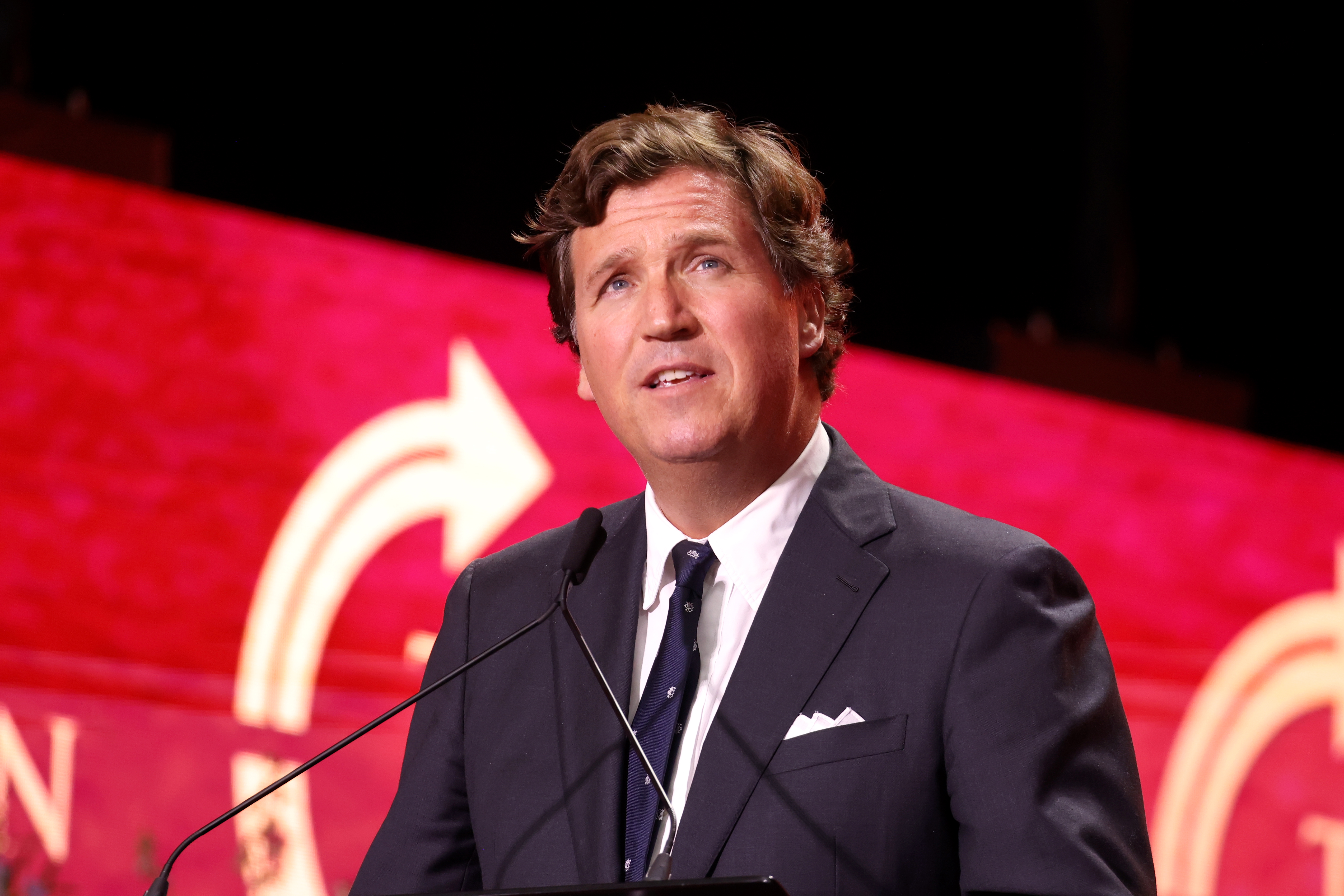
The irony was difficult to ignore. Just weeks before the election, Trump stood before Republican supporters in Dallas and openly ridiculed the demand for reparations for descendants of American slavery. He characterized the claim as an attempt to take money from contemporary Americans, dismissed its prospects, and suggested that those demanding compensation hated their country.
Trump had effectively poked the bear, turning a longstanding demand for historical redress into campaign entertainment. Whether those remarks directly influenced voting decisions remains unproven, but the election demonstrated how quickly Republican gains among Black voters could disappear.
The Reparations Taunt That Preceded the Election
During his September 9 appearance at the Republican Midterm Convention, Trump accused reparations supporters of wanting to take other Americans’ money for historical crimes. His argument largely ignored the central distinction made by Freedmen reparations advocates: their claim concerns government responsibility for slavery and subsequent state-sanctioned discrimination, not personal guilt inherited by Americans living today.
The reparations movement is rooted in a documented history of government-enforced slavery, broken Reconstruction promises, Jim Crow segregation, discriminatory housing policies, and the systematic obstruction of Black wealth accumulation. Advocates argue that descendants of enslaved Americans possess a legitimate claim for government consideration and remedy, even as the precise legal framework, eligibility standards, and compensation remain subjects of debate.
For Trump, reparations became another campaign talking point. For advocates, his remarks represented the dismissal of a serious historical grievance that has remained unresolved for generations.
Black Voters Helped Reverse Republican Gains
The election results revealed a significant shift from Trump’s 2024 coalition. According to the Associated Press voter survey, approximately nine in ten Black voters supported Democratic House candidates in 2026. Among Black men, only about one in ten supported Republican House candidates, compared with roughly one-quarter who supported Trump in the 2024 presidential election.
Those numbers mattered in states where Democrats needed substantial Black electoral support to overcome Republican candidates. In Georgia, former Atlanta Mayor Keisha Lance Bottoms became the nation’s first Black woman elected governor, receiving overwhelming support from Black men and women. In Texas, Democrat James Talarico defeated Republican Ken Paxton in a Senate contest shaped partly by strong Democratic margins in counties with substantial Black electorates.
The Democratic victories were not exclusively the work of Black voters. Economic dissatisfaction, inflation, younger voters, Hispanic voters, and moderate voters all contributed to the Republican defeat. Nevertheless, the results showed that the Republican Party’s recent advances among Black voters were far from secure.
The Political Price of Dismissing Freedmen Claims
Trump’s reparations remarks raise a broader question about political accountability. Can a president publicly dismiss a major policy demand associated with a historically marginalized constituency while expecting to retain the electoral gains his party recently made among that constituency?
There is no reliable evidence establishing that reparations specifically drove the nationwide Black vote in November. But the political contrast remains striking: a president who treated the issue as a campaign punchline subsequently saw his party lose congressional power in an election where Black voters were instrumental to Democratic success.
The episode also exposes a problem for Democrats. Winning overwhelming Black support does not automatically settle the question of what Black Americans receive in return. Reparations advocates have repeatedly criticized Democratic leaders for relying on Black voters while avoiding concrete commitments to lineage-based reparative legislation.
Black Political Power Must Extend Beyond Election Night
The 2026 midterms restored Democratic control of Congress, creating an opportunity for lawmakers to reconsider federal reparations proposals, including legislation to establish a commission studying slavery’s lasting consequences and possible remedies.
But an electoral victory is not a reparations victory. The incoming Democratic majority still faces disagreements over eligibility, compensation, constitutional questions, funding, and whether such legislation can overcome Senate procedural obstacles.
Trump’s political setback is unmistakable. The precise role of his reparations rhetoric in producing that setback is less certain. What November demonstrated is that Black voters remain a consequential force in American elections, even as their demands for historical restitution remain politically contested.
The question now is whether Washington will treat that electoral influence as a reason for substantive policy debate, or merely another reason to celebrate before returning to business as usual.
—Barrington Williams, B1Daily


Leave a Reply