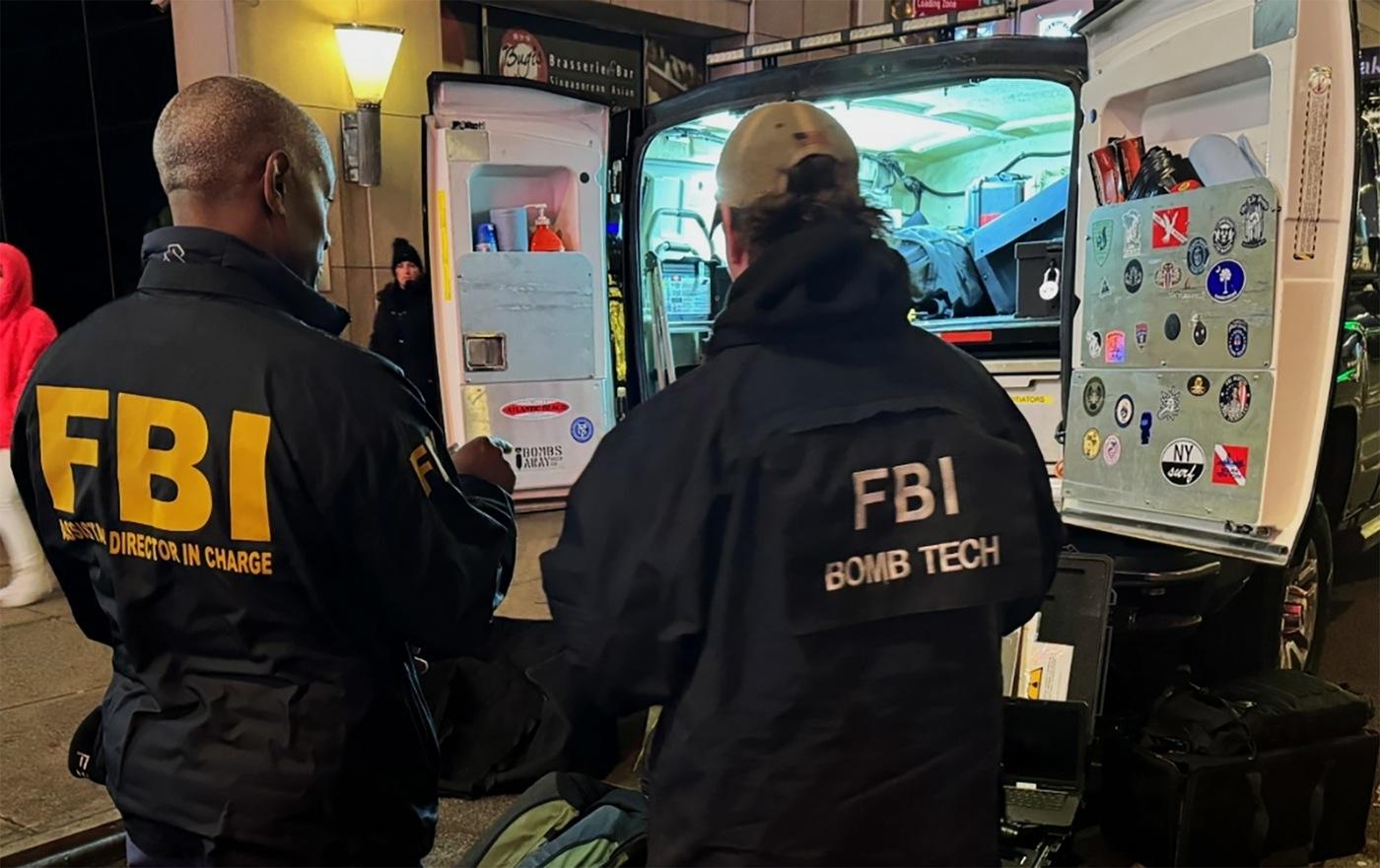
—Barrington Williams, B1Daily
A string of threats against American election offices, polling places and industrial facilities has raised a question that federal investigators should be prepared to answer: what do they know, what remains unresolved, and how much can they tell the public without compromising an active investigation?
Over the past several weeks, Americans have watched election offices receive suspicious letters, voters encounter bomb threats and thousands of Illinois residents evacuate after an explosive device was found at an ethanol plant. These events are not established as parts of a single coordinated plot. But they have something in common: each exposed how quickly a threat, whether real or fabricated, can disrupt public life.
Threats Spread Across Election Offices
In October, election offices in at least 32 states received suspicious mailings, some containing powder. The FBI and U.S. Postal Inspection Service opened an investigation, but the bureau did not publicly disclose the full scope of the campaign or identify a perpetrator in the reporting available at the time. Tests in several locations found the substances were not hazardous, but the mailings still forced evacuations and interrupted preparations for the November midterms.
On Election Day, a bomb threat at Beverly Elementary School in Toledo, Ohio, forced voting operations outside while police searched the building. Several other area schools also received threats. Election security officials described the day’s overall threat activity as limited, and there was no public evidence that these incidents were part of a nationwide coordinated bombing operation.
The absence of a public identification of the people behind some threats leaves legitimate questions. Were the letters and phone threats connected? Did investigators find shared language, delivery methods or digital fingerprints? If authorities have ruled out a broader connection, what can they disclose to reassure election workers and voters?
Peoria Shows Why Threats Cannot Be Dismissed
The stakes became more concrete on November 13, when a suspicious explosive device was discovered at the BioUrja Renewables ethanol plant in Peoria, Illinois. Officials evacuated residents around the facility, shut roads and canceled events as bomb technicians rendered the device safe. The threat was treated as credible rather than a hoax.
On November 18, federal prosecutors announced charges against 41-year-old Andrew Kozak, accused of sending a threat to destroy the plant with explosives. He pleaded not guilty. Investigators have not publicly established a motive, and there is no verified connection between the Peoria case and the election-related threats.
That arrest matters. It means any claim that the FBI has failed to identify a single suspect across all recent threats would be false. But solving or charging one case does not resolve every other incident, nor does it eliminate the need for clear public updates.
Is the FBI Withholding Information to Prevent Panic?
Federal investigators routinely withhold evidence while cases remain active. Releasing a suspect’s identity too soon can compromise surveillance, alert accomplices, contaminate witness testimony or jeopardize a prosecution. The public should not assume that every unanswered question signals a cover-up.
Still, there is a difference between protecting investigative details and leaving communities uncertain about the nature of a threat. Authorities can often provide useful information without naming suspects: whether incidents appear related, whether a credible danger remains, what protective steps facilities should take and when the next update can be expected.
There is currently no verified evidence that the FBI is concealing a coordinated campaign to prevent nationwide panic. The possibility may be an understandable public concern, but it should be treated as a question requiring evidence, not as an established explanation for limited disclosures.
A Pattern Worth Examining, Not Inventing
The Cybersecurity and Infrastructure Security Agency has warned that mass bomb-threat campaigns can target similar institutions across multiple locations and create substantial disruption even when no explosive device exists. The effects can include evacuations, lost business, fear and the diversion of emergency resources. Officials also warn that repeated hoaxes can create dangerous complacency when a genuine device is eventually discovered.
That makes distinguishing separate incidents from a coordinated operation essential. Investigators should explain when evidence supports a connection and when it does not. A frightening series of headlines is not itself proof that one organization or individual is responsible.
What Americans Deserve to Know
The FBI and its partner agencies should provide regular public updates on the unresolved election-office mailings and other major threats, including the number of incidents under investigation, whether there is evidence of coordination and what safety guidance remains in effect. Such updates would help prevent speculation from becoming a substitute for facts.
The most pressing issue is not whether federal officials can reveal every detail of an active investigation. They cannot. It is whether the public is being given enough verified information to understand the risks without compromising the search for those responsible.
Americans should not have to choose between unnecessary panic and unexplained silence. They deserve a serious investigation, meaningful accountability and a transparent explanation of what authorities know when disclosure becomes safe and appropriate.
—Barrington Williams, B1Daily



Leave a Reply