—Matt Gwinta, B1Daily
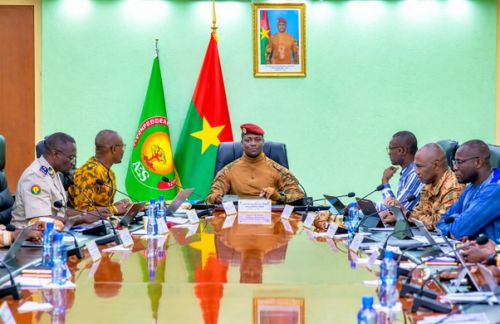
Burkina Faso is placing domestic commerce at the center of its economic development strategy with a planned investment of approximately $174.4 million in three modern commercial complexes. The RAAGA project, approved by the Council of Ministers on November 19, carries a projected cost of 104.38 billion CFA francs, with financing expected to come entirely from the national budget.
Two facilities are planned for Ouagadougou and another for the Sarfalao district of Bobo-Dioulasso. The developments would combine four-storey retail buildings with food outlets, medical facilities, parking, banking services and electric vehicle charging infrastructure.
Investing in the Domestic Economy
The initiative targets a sector with considerable economic weight. Burkina Faso’s 2024 business census found that trade represented 52.7% of economic establishments. Modernizing the facilities used by merchants could improve working conditions, expand access to financial services and encourage business growth.
The decision to dedicate public funds to commercial infrastructure reflects the government’s emphasis on economic sovereignty. However, state-budget financing does not necessarily establish that the wider government budget is free of borrowing. The fiscal impact will depend on how spending is phased and funded.
The Real Test of Economic Sovereignty
The success of RAAGA will ultimately depend on whether ordinary traders can afford space in the new markets. Affordable rents, transparent stall allocation and reliable maintenance could help small businesses benefit rather than be displaced by redevelopment.
A detailed construction timetable has not yet been established in the reports reviewed. For Burkina Faso, the opportunity is to convert public capital into productive assets that strengthen domestic commerce and generate lasting economic returns.
—Matt Gwinta, B1Daily

Leave a Reply