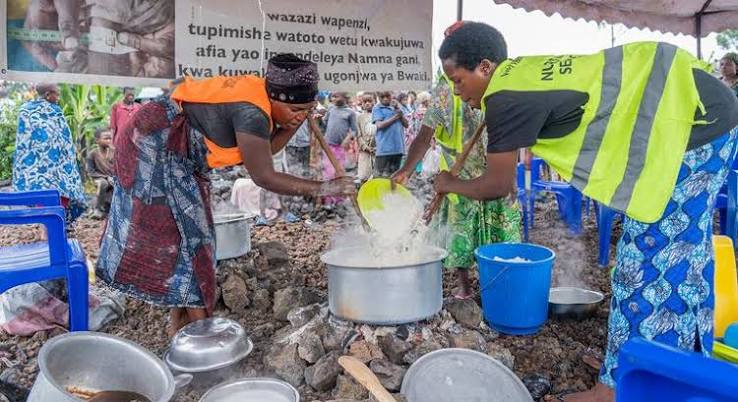
—Matt Gwinta, B1Daily
The financial scale of the humanitarian crisis in the Democratic Republic of the Congo is placing pressure on international donors. A reported $2.6 billion World Food Programme funding goal underscores the enormous resources required to address persistent vulnerability.
The Economic Cost of Hunger
Food insecurity has consequences far beyond hunger. Families facing shortages may sell productive assets, withdraw children from education or abandon income-generating activities. These responses undermine economic recovery even after immediate food access improves.
Humanitarian funding can interrupt that cycle by supporting essential assistance during severe disruption. Delivery costs depend not only on food prices but also on transportation, storage, staffing, security and accessibility of affected communities.
From Emergency Aid to Resilience
A funding appeal is not money in the bank. The effectiveness of the proposed response depends on donor commitments, timely disbursements and whether operational conditions permit assistance to reach intended recipients.
Longer-term resilience requires investment beyond emergency relief. Agricultural production, local storage, rural transport and functioning markets can help communities obtain food and generate income. Such investments cannot substitute for urgent assistance but can reduce vulnerability over time.
The Congolese crisis illustrates why humanitarian financing and economic development cannot always be treated separately. Protecting lives today while rebuilding productive capacity for tomorrow is central to reducing the recurring financial and human costs of food insecurity.
—Matt Gwinta, B1Daily




Leave a Reply