—Matt Gwinta, B1Daily
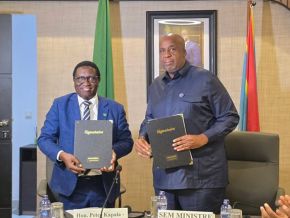
Zambia is making a costly wager on the idea that the greatest economic value of its mineral wealth should not be surrendered before the first mine is built. The reported $704 million exploration initiative seeks to strengthen the country’s position in the global commodities market.
Taking Control of Mineral Wealth
Exploration is the earliest and often most uncertain stage of mining. By financing geological surveys and drilling, the public sector could acquire knowledge of deposits that would otherwise be controlled by prospective private investors. Better information can translate into stronger bargaining power when licenses and joint ventures are negotiated.
The international appetite for copper provides an important backdrop. Electrical grids, industrial machinery and electric vehicles require substantial quantities of the metal. Zambia has an opportunity to capture more of this value rather than relying exclusively on taxes and royalties after extraction begins.
Building Economic Independence
Improved railway connections between Zambia’s Copperbelt and Angola’s Atlantic coast could make mineral projects more competitive and provide producers with additional access to international markets.
Public investment carries considerable financial risk. Exploration can consume capital without producing commercially viable reserves, while falling commodity prices can undermine promising discoveries. Independent technical assessments and transparent expenditures will be essential.
Zambia’s challenge is to turn geological knowledge into productive ownership rather than merely accumulating licenses. The opportunity is not simply to extract more wealth from the ground, but to retain more of it within its borders.
—Matt Gwinta, B1Daily


Leave a Reply