—Kerry Hill, B1Daily
Washington’s Republicans are confronting two deadlines. The first arrives January 3, when Democrats take control of Congress. The second arrives in 2028, when the party must compete for the presidency without Donald Trump as its nominee. Between those dates lies a period of divided government that will test whether congressional Republicans can defend the administration while building a platform of their own.
A leadership team built for divided government
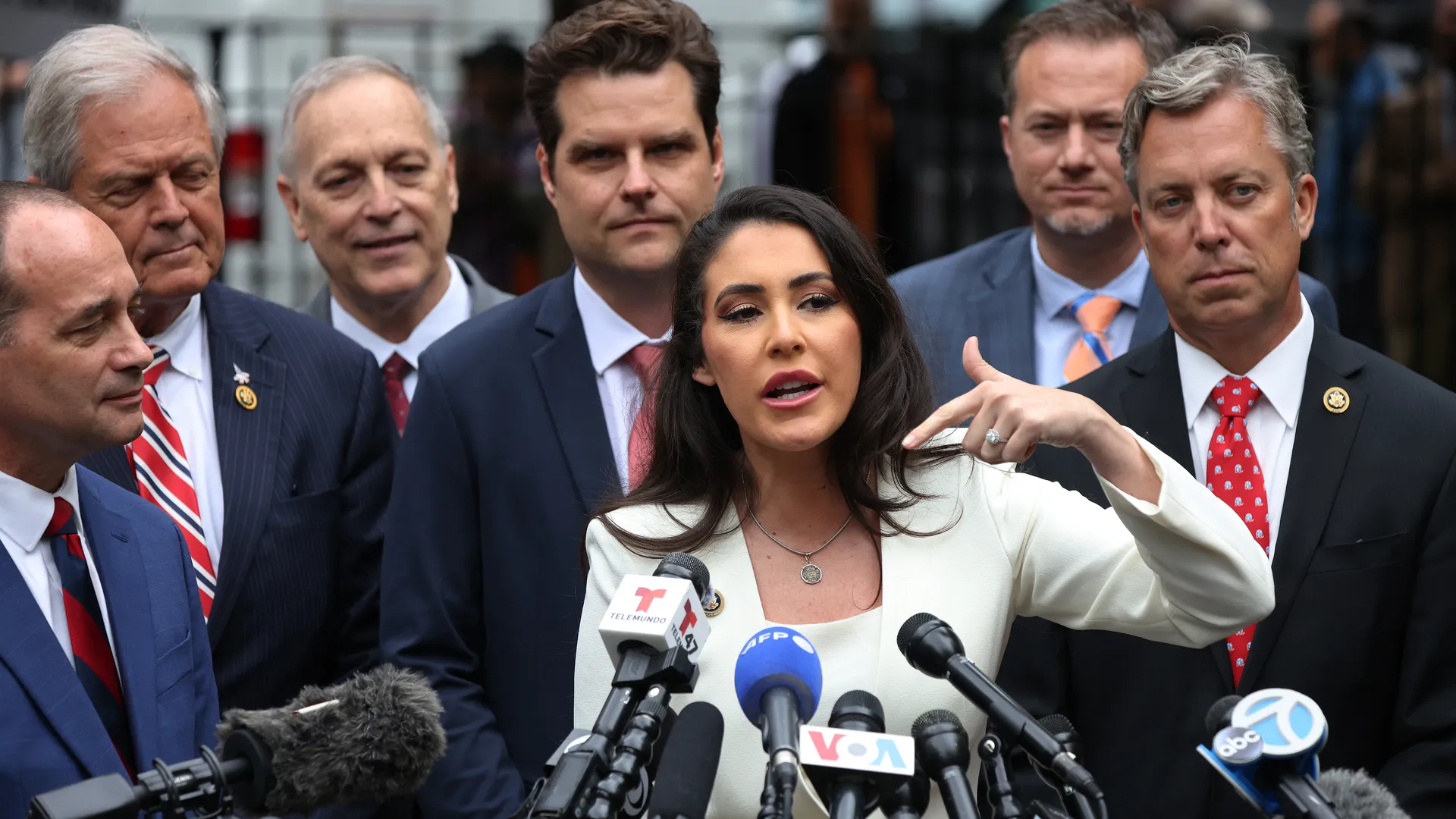
Ohio Rep. Jim Jordan defeated Louisiana Rep. Steve Scalise for the House GOP leadership on November 10, receiving 106 votes against Scalise’s 73, according to the Associated Press. Tom Emmer secured the whip position, and Lisa McClain retained the conference chairmanship. The leadership contest put a premium on Jordan’s experience with congressional investigations. With Democrats controlling committee agendas next year, Republican members will have substantial incentives to coordinate their responses to oversight of the administration.
The challenge for Jordan extends beyond committee hearings. A minority leader must maintain internal discipline, recruit candidates and raise money for competitive races. A conference with fewer moderates also faces a potential tension between the priorities of its remaining members and the concerns of voters in districts it needs to contest in 2028.
Across the Capitol, John Thune retained the confidence of Senate Republicans without a contested leadership election. His procedural responsibilities differ from Jordan’s: Senate rules offer a minority more opportunities to shape legislation. The choice to retain Thune did not erase disagreement over the party’s direction, as calls to postpone leadership elections demonstrated.
The last weeks of unified control
The outgoing Congress still has conventional governing responsibilities: financing federal agencies, authorizing defense programs and considering nominees. Republicans can also seek agreement on changes to the permitting process for energy and infrastructure projects. The approaching transfer of control increases the importance of deciding which matters warrant scarce floor time.
Judicial confirmations are particularly consequential because lifetime appointments outlast congressional majorities. Thune has a procedural opportunity to move nominations while Republicans still control the Senate. But floor time devoted to confirmations competes with time needed for legislation, and attendance among departing members can complicate scheduling.
The bargaining power that survives defeat
Democratic majorities will control committee leadership and determine which bills receive floor consideration. Yet their ability to enact legislation will be constrained by Senate rules and the president’s veto. Most contested Senate legislation requires 60 votes to end debate, while overriding a presidential veto requires two-thirds support in each chamber. Exceptions to the filibuster, including qualifying budget reconciliation measures, make the precise legislative vehicle important.
Government funding will be an early test of the relationship. Democrats can seek concessions in appropriations negotiations, while Republicans can resist provisions they oppose and the White House can reject legislation. Neither side can assume that control of the congressional agenda is equivalent to control over the final law.
Tariffs and the cost of living
Trade policy presents a concrete test of Republican independence. Associated Press reporting on November 27 described Republican interest in revisiting certain tariffs, particularly those affecting Canada, while noting continued support among some lawmakers for tariffs on China. That distinction suggests the trade debate is not simply a choice between accepting or rejecting protectionism in its entirety.
Trump maintains that tariffs can promote domestic manufacturing. Critics argue that import duties can raise costs for consumers and businesses. Lawmakers weighing those competing concerns will also have to decide how much authority Congress should reclaim over trade policy. Cross-party cooperation on a specific tariff does not necessarily imply an agreement on broader presidential powers.
Immigration, foreign policy and the Republican coalition
Other potential dividing lines include immigration enforcement, military commitments and domestic spending. The incoming Democratic committee chairs will be positioned to scrutinize administration policies, while Republican lawmakers can use hearings and negotiations to defend them or press for adjustments. On immigration, the policy tradeoffs include enforcement, labor demand, due process and the costs borne by local governments. On defense, legislators must weigh military objectives against funding requirements and congressional war powers.
The economic debate also extends to healthcare and household affordability. A Republican platform that emphasizes tax relief and deregulation will have to explain how those proposals address the immediate concerns of families facing expensive housing, medical bills and other necessities. Democrats face their own obligation to explain how proposed alternatives would be financed and implemented.
The 2028 problem
The Twenty-second Amendment bars Trump from being elected president a third time. Congressional Republicans therefore enter the next session with a president who retains considerable influence over the party but cannot become its next elected presidential nominee. Potential successors will be able to distinguish themselves through policy proposals, legislative alliances and their approaches to the administration.
The evidence to watch is not simply public criticism of Trump. Roll-call votes, amendments, funding agreements and committee activity provide more concrete measures of whether congressional Republicans depart from the administration’s positions. Those decisions will help clarify whether the party’s next chapter represents continuity, a selective policy adjustment or a more substantial change in direction.
—Kerry Hill, B1Daily




Leave a Reply