–Barrington Williams, B1Daily
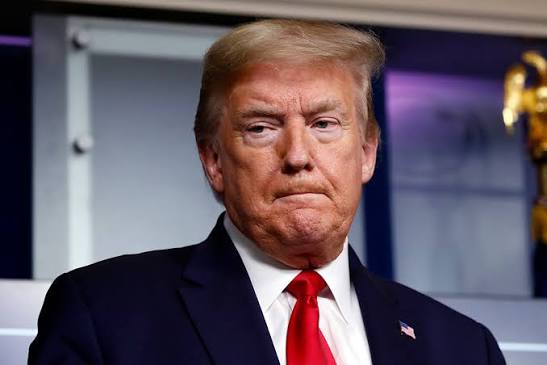
Donald Trump’s immigration rhetoric is beginning to collide with political reality. Following Republican midterm setbacks, the president suggested in a November 8 interview with 60 Minutes that a bipartisan agreement could allow certain longtime undocumented workers to remain in the United States. He subsequently rejected the label of amnesty, but the prospect of a compromise raises an uncomfortable question: whose interests would such a bargain ultimately serve?
The political incentive is obvious. Trump could soften an unpopular enforcement campaign, offer Democrats a legislative victory and present himself as a pragmatic negotiator. A deal could also relieve pressure on businesses that depend on undocumented labor without requiring him to acknowledge that his original promises were politically unsustainable.
The deeper issue is the protection of entrenched economic power, including historically white-dominated corporate and property-owning institutions. Employers in agriculture, hospitality, construction and other industries have financial incentives to retain their workforces. If a legalization agreement leaves past unlawful hiring practices unexamined, businesses that knowingly violated employment law could escape meaningful accountability while retaining the benefits of their conduct.
Property owners deserve scrutiny as well. Renting to an undocumented immigrant is not inherently a federal crime, and ordinary landlords should not be treated as criminals. But where evidence establishes unlawful harboring, housing exploitation or other violations, authorities should investigate. Immigration enforcement should not become a spectacle directed exclusively at workers while more powerful participants escape scrutiny.
Black American workers have particular reason to demand a serious discussion of wages, labor standards and access to affordable housing. The economic effects of immigration vary across industries and communities, but policymakers should not dismiss concerns about exploitation, wage competition or housing scarcity. Any reform should include enforceable protections for workers and meaningful investment in communities facing longstanding economic disadvantages.
Vice President JD Vance has suggested shifting enforcement toward businesses that hire unauthorized labor. Whether that suggestion becomes a sustained policy rather than another political talking point remains to be seen. Federal law already provides penalties for knowingly employing unauthorized workers, and a legalization deal would not automatically erase past violations. Enforcement, however, depends on the willingness of the government to investigate and pursue those cases.
No finalized Trump amnesty agreement has been announced. Nevertheless, the emerging debate exposes a familiar imbalance in American politics: the people with the least power face the most visible consequences, while influential economic interests can lobby for relief. If Washington reaches an immigration compromise without addressing employer misconduct and labor exploitation, Trump may secure a political victory while the powerful pay little for the system from which they benefited.
–Barrington Williams, B1Daily


Leave a Reply