—Terrence Dorner, B1Daily
A new fault line is opening in West Africa, and it runs straight through Ghana.
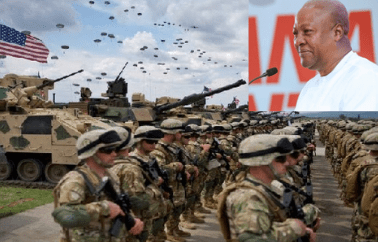
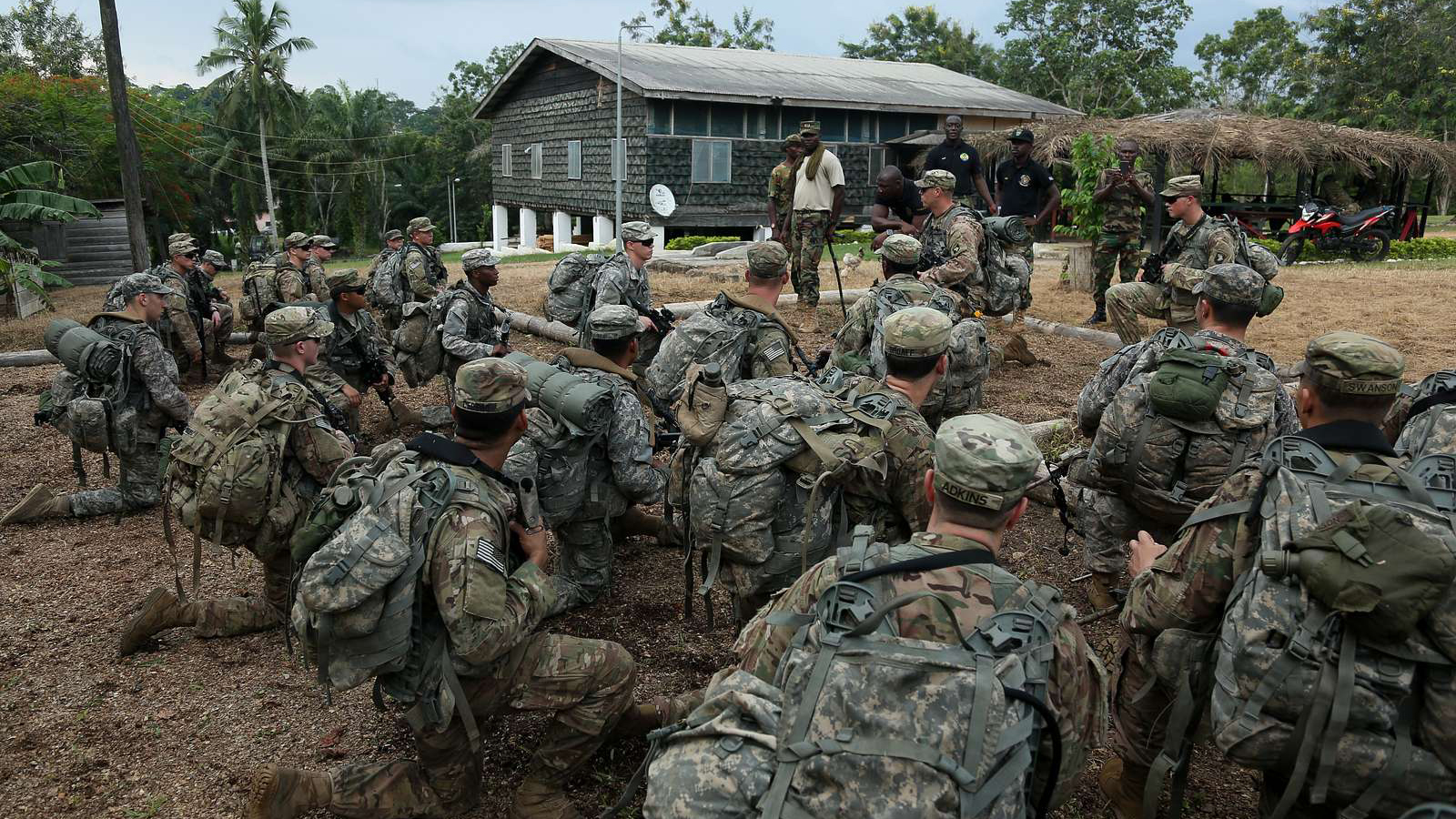
Reports that Ghana is moving to allow the European Union to establish a military presence on its soil have ignited a storm of criticism, not just from regional observers but from those who once wrapped themselves in the banner of Pan-African unity.
The timing is what makes it laughable.
To the north sits the fragile, newly self-asserting Sahel bloc, a cluster of states that have spent the last few years shaking off Western military partnerships and attempting to chart an independent security path.
And now, right next door, comes a potential European foothold.
Wasn’t Ghana just advocating for “reparations and freedom from European tyranny”?
Supporters of the move frame it as pragmatic. The Sahel remains one of the most volatile regions on the continent, with insurgencies, coups, and cross-border instability spilling outward. Ghana, long considered one of West Africa’s more stable yet economically poor democracies, is looking at the chaos and choosing insurance. From that perspective, a European military partnership is less about submission and more about survival, a hedge against the kind of people’s uprising that has plagued its neighbors.
But critics are not buying the “insurance policy” framing.
They see something far less flattering: a return to dependency dressed up as cooperation. For them, the optics are brutal. While countries in the Sahel are attempting, however imperfectly, to assert sovereignty and reduce foreign military footprints, Ghana appears ready to open the door back up, effectively placing a Western security outpost on the edge of a region trying to break away from that very model.
That’s where the hypocrisy argument hits hardest.
For years, a loud segment of so-called Pan-African voices has championed the idea of continental self-determination, railing against Western intervention and calling for African nations to control their own security and political futures. Yet moments like this expose a fracture between rhetoric and reality. When push comes to shove, critics argue, those principles often bend under pressure from economic incentives, security fears, or political convenience.
Ghana appears ready to open the door back up, effectively placing a Western security outpost on the edge of a region trying to break away from that very model.
It raises an uncomfortable question: is Pan-Africanism a governing philosophy, or a slogan that only applies when conditions are ideal?
Ghana’s leadership would likely argue that ideology doesn’t stop bullets. The Sahel’s instability is not theoretical. It is immediate, and it is creeping south. From that vantage point, rejecting potential military support on principle alone could be seen as reckless. States, after all, are not think tanks. They are responsible for maintaining order within their borders, even if that means making alliances that clash with broader ideological narratives.
For years, a loud segment of so-called Pan-African voices has championed the idea of continental self-determination, yet moments like this expose a fracture between rhetoric and reality.
Still, the regional implications are hard to ignore.
A European military presence in Ghana could reshape the strategic balance in West Africa, creating a stark contrast between neighboring countries that are distancing themselves from Western forces and one that is inviting them in. That contrast risks deepening political divides and complicating already fragile regional cooperation.
There is also the question of precedent. Once a base is established, it rarely remains a temporary arrangement. Infrastructure, logistics, intelligence sharing, and joint operations tend to expand over time. What begins as a limited partnership can evolve into a long-term dependency, especially if local security conditions fail to improve.
The tension here is not just geopolitical. It is philosophical. It pits sovereignty against security, ideology against immediacy, and long-term independence against short-term stability. Ghana has chosen a side, at least for now.
Whether that choice proves to be strategic foresight or a step backward will depend on what follows. But one thing is certain: the gap between what is preached and what is practiced in African political discourse is becoming harder to ignore.
—Terrence Dorner, B1Daily



Leave a comment