
—Michael Lyles, B1Daily
The H-1B visa was pitched as a scalpel for the American economy, a way to bring in rare, high-skill talent to fill gaps companies claimed they couldn’t fill at home. What it often looks like in practice, critics argue, is something closer to a pressure valve that releases wage growth and bargaining power for American workers.
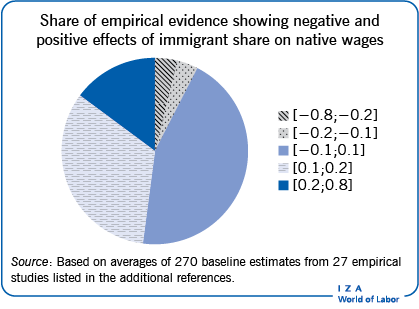
At the core of the economic critique is a simple supply story. When you expand the pool of labor in a specific high-skill sector, especially one already dominated by large firms with outsized hiring power, you create downward pressure on wages. Tech and engineering roles, the primary landing zones for H-1B workers, have seen persistent complaints from domestic employees who say salaries plateau faster than productivity would suggest. The presence of a steady pipeline of visa-dependent workers changes the leverage equation. Employers gain optionality. Workers lose negotiating strength.
Then there’s the structural dependency baked into the visa itself. H-1B employees are tied to their sponsoring employer, meaning switching jobs can be difficult, slow, or risky. From a pure market standpoint, that is not a neutral condition. It creates a class of workers with less mobility, which can ripple outward. When a segment of the workforce cannot easily walk away, it quietly resets expectations across the board. Companies don’t have to compete as aggressively on pay or conditions when part of their labor pool is effectively anchored.
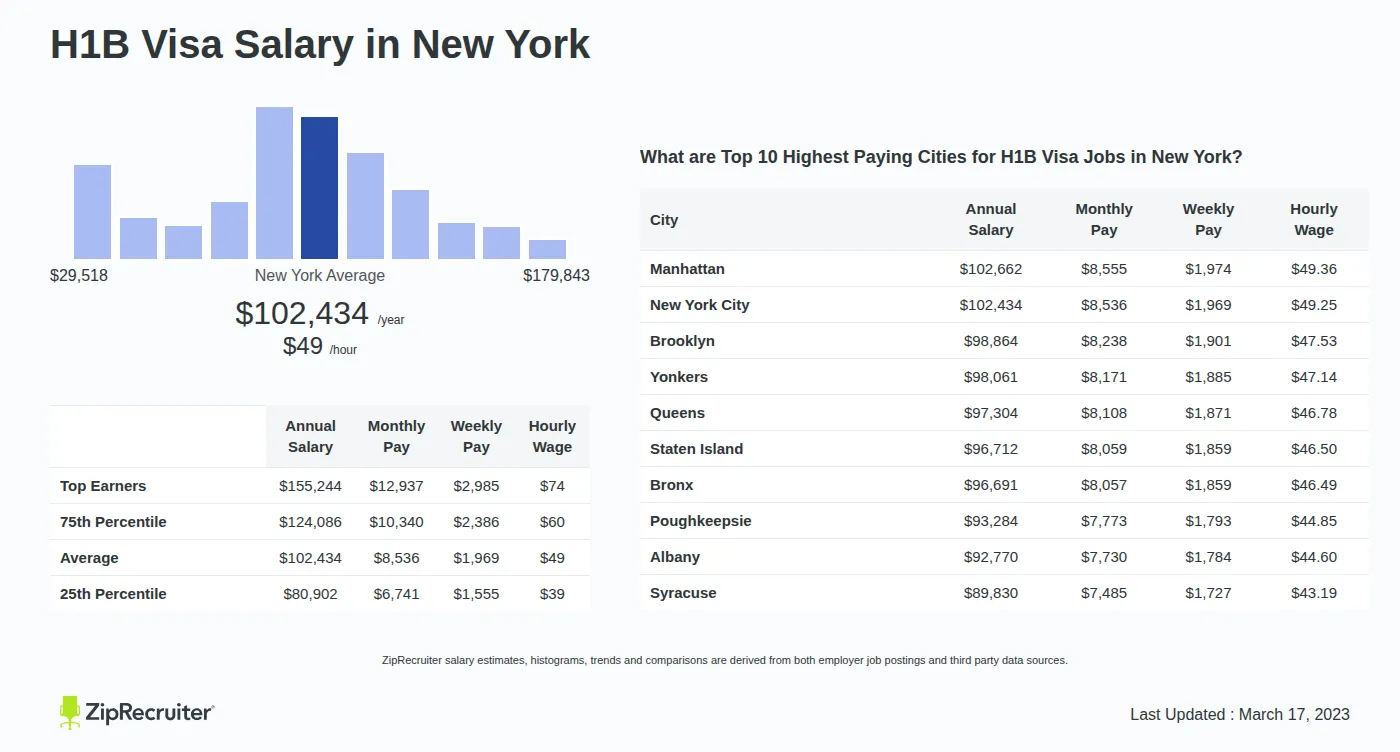
Outsourcing dynamics add another layer. Major contracting firms use the H-1B pipeline to staff projects at lower cost, sometimes replacing domestic workers outright or using foreign labor to underbid competitors. High-profile cases over the past decade have fueled the perception that the program is not just filling shortages but actively reshaping hiring strategies. The economics here are blunt. Lower labor costs improve margins. They also incentivize substitution, even when domestic talent exists.
Supporters of the program push back hard, arguing that H-1B workers drive innovation, fill genuine skill gaps, and help U.S. companies stay competitive globally. There’s truth in that. Certain niche roles, particularly in advanced research and specialized engineering, can be difficult to fill domestically in the short term. But critics counter that the “skills shortage” narrative is often overstated, pointing to layoffs in the tech sector and a growing number of qualified American graduates struggling to land stable roles. If a shortage exists, they argue, it’s not purely about talent. It’s about price.
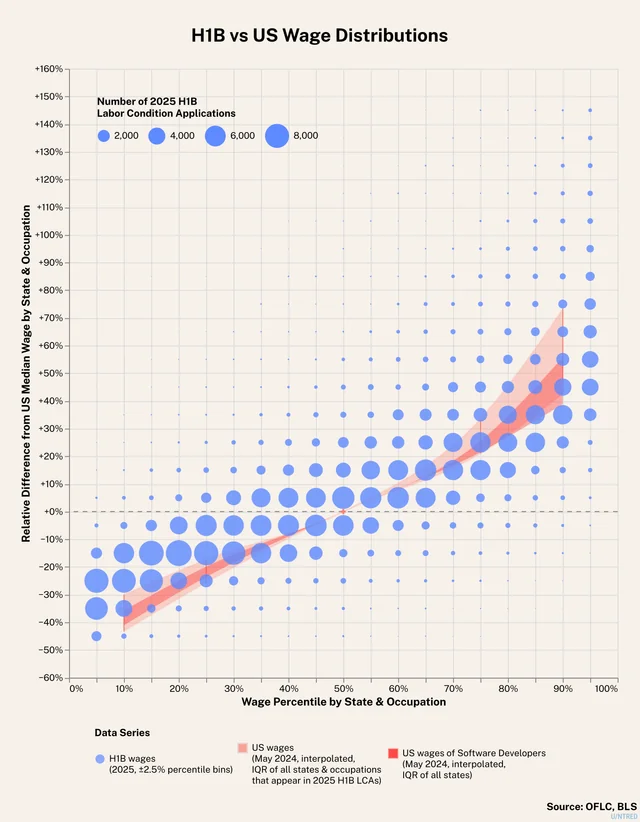
The long-term concern isn’t just wages. It’s investment. If companies can reliably access global labor at a controlled cost, the incentive to train and develop domestic workers weakens. Apprenticeships, entry-level pipelines, and upskilling programs become less urgent when the external labor market can be tapped instead. Over time, that can hollow out the domestic talent base, creating a self-fulfilling cycle where companies claim shortages that their own hiring strategies helped create.
There’s also a geographic dimension. H-1B hiring is heavily concentrated in a handful of metropolitan areas, amplifying local labor market effects. In cities already grappling with high living costs, an influx of workers tied to specific employers can distort both wage structures and housing demand, squeezing mid-level domestic professionals who don’t have the same sponsorship constraints but still face the same cost pressures.
None of this means the program is irredeemable. It means it’s blunt. A policy designed to surgically address talent gaps has, in many cases, become a broad tool for labor cost management. Caps, wage floors, and stricter enforcement could reshape its impact, but as it stands, the economic incentives tilt heavily toward employers.
The real question is not whether the H-1B program brings value. It clearly can. The question is who captures that value and who absorbs the cost. Right now, many American workers would argue they know the answer.
—Michael Lyles, B1Daily






Leave a comment