—Kerry Hill, B1Daily
A summer evening meant for laughter turned into a crime scene, and the fallout is still echoing across New York City.

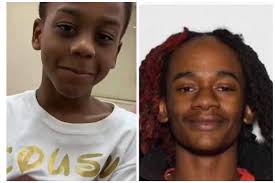
In New York City, 15-year-old Jaden Pierre went to what was supposed to be a harmless, social media-organized water gun fight at Roy Wilkins Park. Instead, he walked into a storm of gang tension that had been brewing long before the first splash of water hit the pavement.
The gathering drew hundreds of teens, but it also attracted rival groups carrying something far more dangerous than plastic toys. According to police, multiple gangs showed up, turning what should have been a carefree event into a collision point for ongoing disputes.
Pierre wasn’t even affiliated with those groups.
That’s what makes this case hit harder. He wasn’t a target in the traditional sense. He was caught in the gravity of other people’s problems, pulled into a violent moment he didn’t create. Witness footage shows him being surrounded, beaten, and then shot in the chest during the chaos.
Police have identified 18-year-old Jamaican immigrant Zahir Davis as the suspect, alleging he pulled the gun during the altercation. Investigators believe the shooting may not have been a calculated execution, but the result of reckless escalation, possibly occurring while the weapon was being used to strike Pierre.
That doesn’t soften the outcome. A teenager is dead.
Reports indicate the suspect may have fled to Jamaica, adding an international layer to what is already a deeply painful case for the victim’s family and community.
And while headlines have focused on the suspect’s background and possible escape, the core of this story is simpler and more brutal. A public space meant for kids became a battlefield because underlying conflicts were allowed to simmer unchecked. Social media amplified it, drawing crowds. The streets finished it.
Pierre’s mother has been vocal, directing her anger not just at the shooter but at the crowd that stood by, filmed, and in some cases participated in the violence. Her grief cuts through the noise of speculation and turns the story back to what it actually is: a family shattered in seconds.
This wasn’t just a shooting. It was a chain reaction.
A months-long feud.
A viral event.
A crowd with no control.
And one moment where a gun entered the equation.
Crime stories often get reduced to suspects and charges, but this one exposes something wider. It shows how quickly everyday environments can collapse when violence is normalized, when conflicts aren’t resolved, and when a gathering meant for fun becomes an opportunity for confrontation.
Now there’s a city asking the same question it always asks after tragedies like this: how did it get this far?
The answer, uncomfortable as it is, rarely fits into a single headline.
—Kerry Hill, B1Daily


Leave a comment