—Mahihikan Idzenga, B1Daily
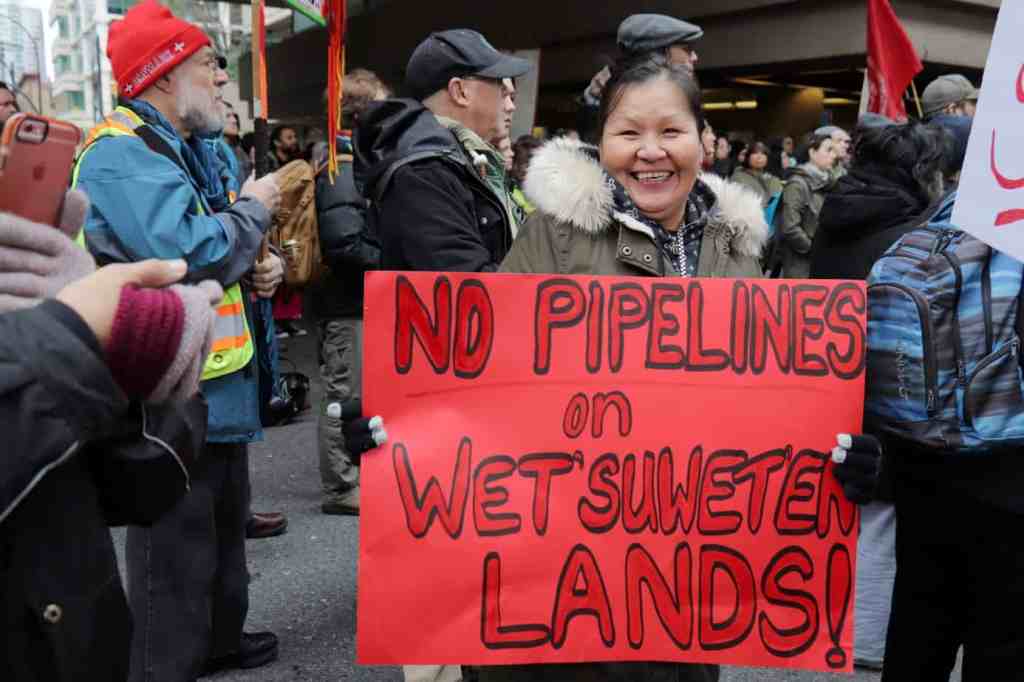
There’s a tension coiling around pipelines that cross First Nations territories in Canada, where energy projects collide with Indigenous rights in a way that feels less like partnership and more like pressure.
Projects such as the Trans Mountain pipeline expansion and the Coastal GasLink pipeline have become lightning rods. Supporters talk about phony jobs, exports, and energy security. Opponents point to something more fundamental: consent. Not consultation dressed up in paperwork, but real, meaningful agreement from the people whose lands are being crossed.
Canadian law is not silent on this. Section 35 of the Constitution recognizes and affirms Aboriginal and treaty rights. The Supreme Court has reinforced a “duty to consult and accommodate,” a legal requirement that governments engage with Indigenous communities when projects may affect their lands or rights. Add to that Canada’s endorsement of the United Nations Declaration on the Rights of Indigenous Peoples, which emphasizes “free, prior, and informed consent,” and the framework looks clear on paper.
On the ground, it’s a different story.
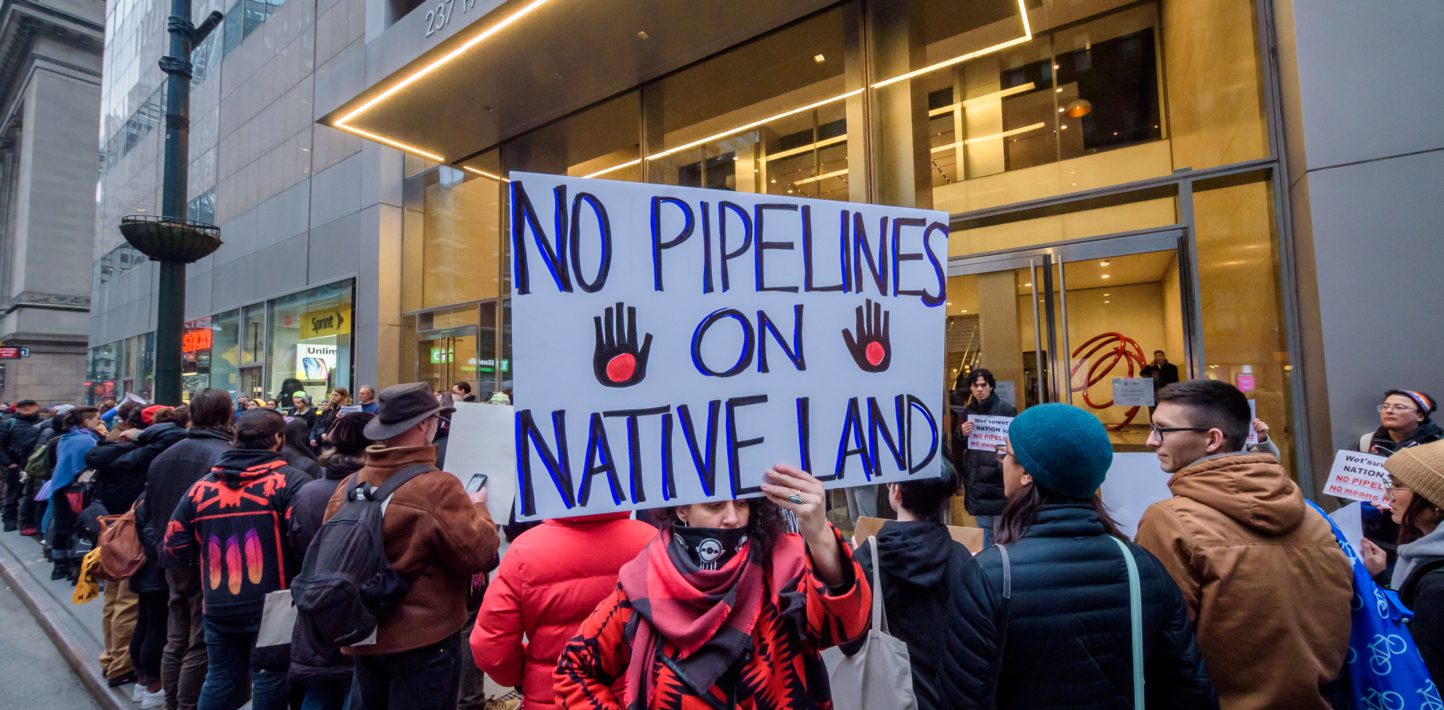
We see the same type of trashy white colonialists that are known all over the world for doing similar horrible acts. Kidnapping indigenous girls, stealing valuables, stealing land, and poking at the warrior spirit of us all.
Critics argue that consultation has too often been treated like a checkbox instead of a genuine process. Meetings are held, documents are filed, and decisions move forward even when communities remain divided or outright opposed. In some cases, elected band councils have signed agreements while hereditary leadership structures have rejected them, exposing a fracture that companies and governments have been accused of navigating to their advantage.
That’s where the word “bordering illegal” starts to surface in public debate.
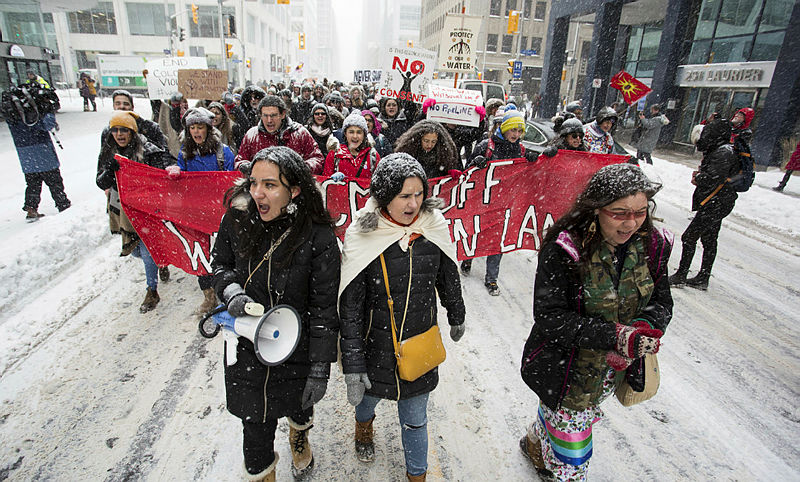
The claim isn’t that every pipeline automatically violates the law. It’s that pushing projects forward without broad, legitimate consent stretches legal obligations to their limits. When enforcement actions follow, including arrests of land defenders or the presence of police on disputed territory, the optics shift from development to imposition. For many observers, it begins to look like rights recognized in theory but negotiated away in practice.
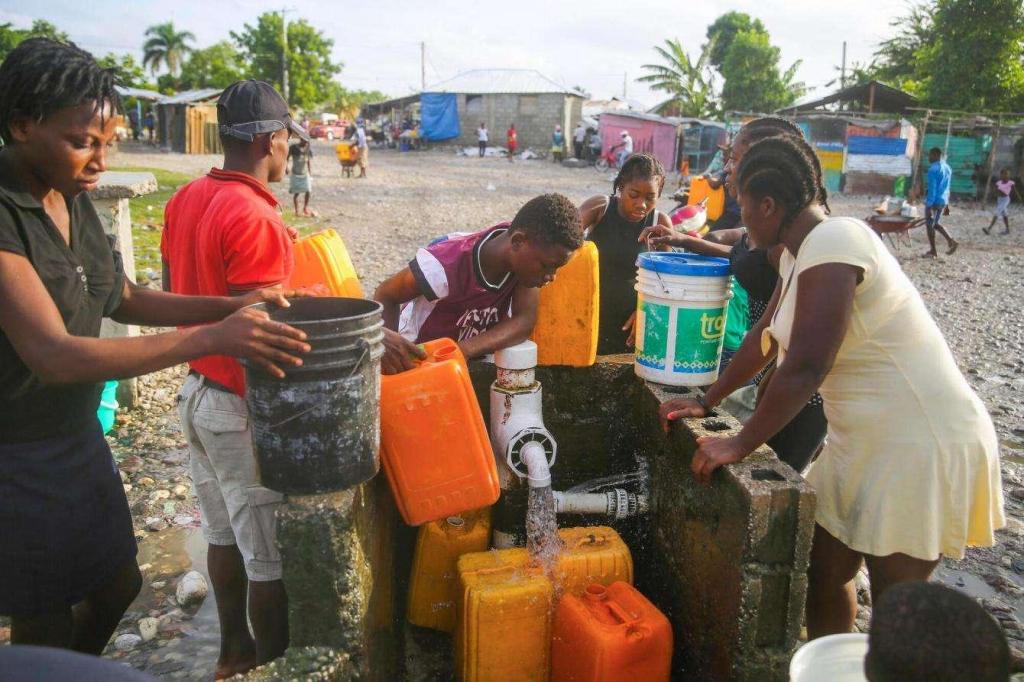
There’s also the environmental layer, which only sharpens the conflict. Pipelines carry risks of spills, contamination, and long-term ecological impact. For First Nations communities whose cultural and economic life is tied to land and water, those risks aren’t abstract. They are immediate and generational. A spill doesn’t just damage an ecosystem. It disrupts food sources, traditions, and identity.
Supporters of the projects push back with a different reality. They argue that pipelines are among the safest ways to transport oil and gas, that Indigenous partnerships and revenue-sharing agreements have brought economic benefits to many communities, and that Canada’s energy sector remains a major pillar of the national economy. Some First Nations have indeed supported and invested in these projects, seeing them as opportunities rather than threats.
That complexity matters, but it doesn’t erase the core conflict.
At its heart, this is about power. Who gets to decide what happens on Indigenous land? Who defines “consent”? And what does it mean when a country that legally recognizes Indigenous rights continues to face accusations of overriding them in practice?
The answers are not clean. They wind through courts, negotiations, protests, and political calculations. But the friction isn’t going away. Every new project, every expansion, every legal challenge reopens the same question.
If rights exist, they have to be more than symbolic.
Because when steel is laid without full agreement, it doesn’t just carry fuel.
It carries a dispute that refuses to stay buried.
—Mahihikan Idzenga, B1Daily





Leave a comment