
—Michael Lyles, B1Daily
The housing market has been strutting around like it’s untouchable, puffed up on low supply, high demand, and a steady stream of buyers willing or forced to play along. But there’s a quiet counter-move brewing, and it doesn’t involve protests or policy. It involves absence.
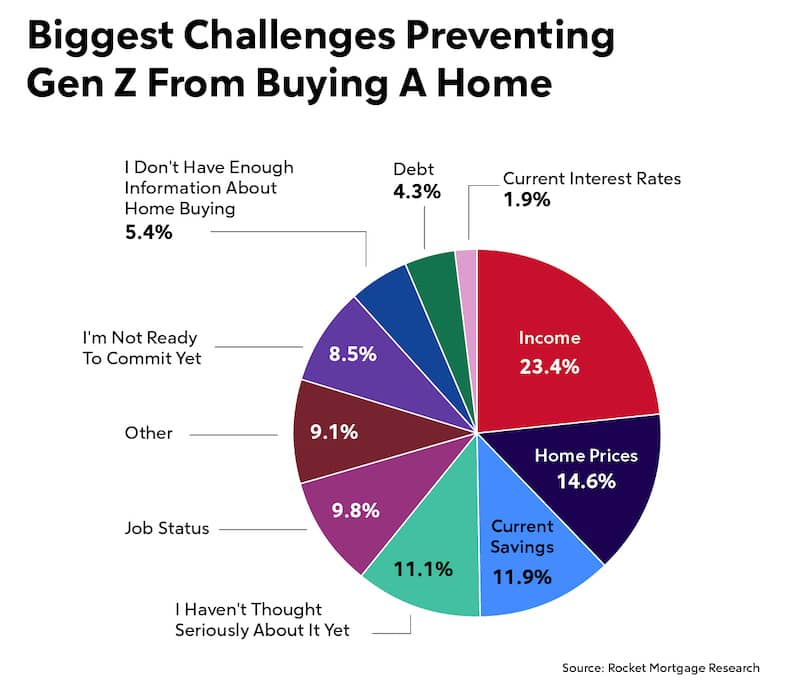
Enter Generation Z, a group staring down sky-high home prices, stubborn interest rates, and a ladder that looks more like a cliff. Instead of climbing it, some are asking a different question: what happens if we just… don’t?
The idea is simple, almost too simple. Delay buying. Stay home longer. Split rent with friends. Keep capital on the sidelines. In other words, starve the demand side of the housing equation and watch what happens when sellers are left pacing in empty open houses.
Housing, at its core, is still a market. And markets react when demand dries up. If enough potential buyers step back at once, price growth slows. If they stay back long enough, prices can fall. Sellers, especially those who bought at peak valuations or investors sitting on multiple properties, start to feel pressure. Carrying costs don’t disappear just because buyers do. Mortgages, taxes, maintenance, those bills keep ticking like a metronome.
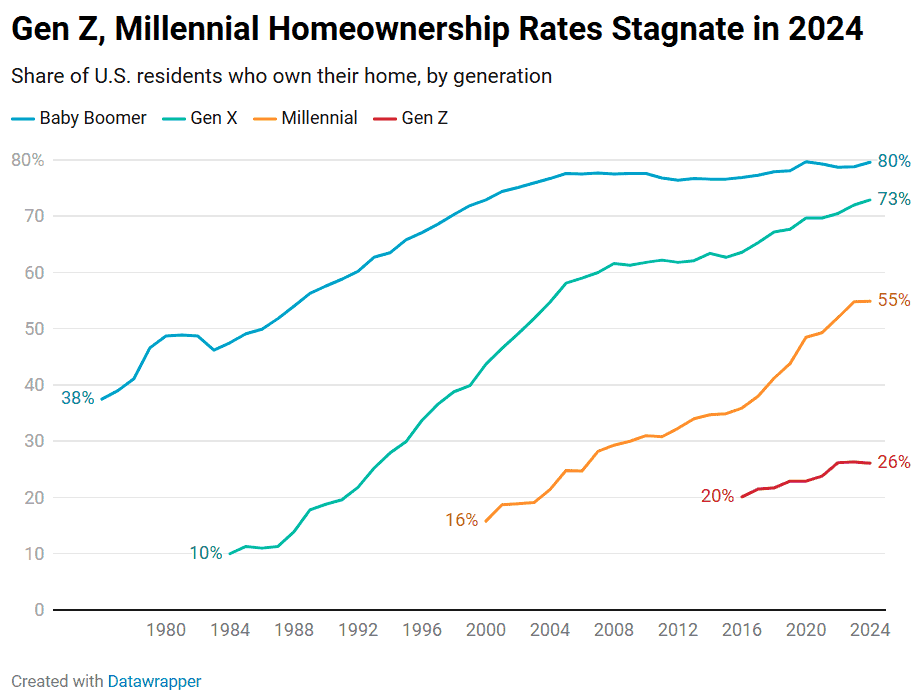
This is where the strategy gets its teeth. A coordinated or even loosely shared decision among Gen Z to delay homeownership could act like a slow squeeze. Not a crash overnight, but a tightening vice. Listings sit longer. Price cuts become more common. The narrative shifts from “buy now or be priced out forever” to “wait and watch.”
Living with parents, often mocked as a fallback, suddenly becomes a lever. Every year spent at home is a year not feeding the market’s appetite. It also allows young adults to build savings, reduce debt, and enter later with stronger financial footing, if they choose to enter at all.
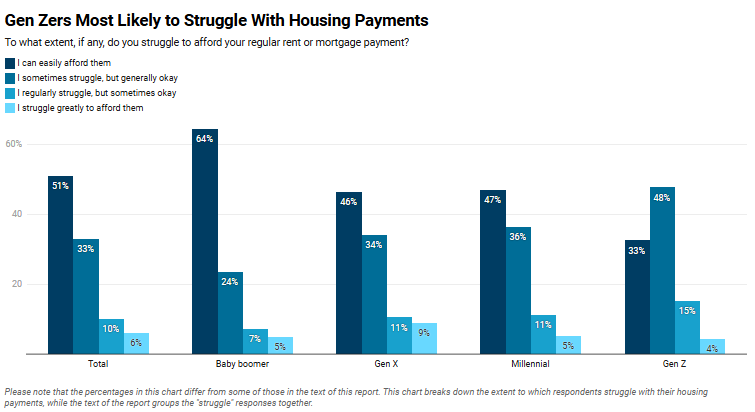
There’s precedent for this kind of pressure, just not always in housing. Consumer pullbacks have dented industries before. When buyers vanish, even temporarily, companies adjust. Housing is slower, heavier, but not immune.
Of course, this isn’t a clean, heroic strategy. It comes with trade-offs. Multigenerational living isn’t feasible or desirable for everyone. Family dynamics, space constraints, and cultural expectations all complicate the picture. There’s also the risk that reduced demand from first-time buyers simply opens the door wider for institutional investors, who can scoop up properties with cash and wait out the dip.
Then there’s the bigger structural issue. Housing shortages in many regions are real. Supply constraints, zoning laws, and construction costs don’t disappear just because buyers hesitate. A demand strike can bend prices, but it doesn’t magically build more homes.
Still, the psychological shift matters. The housing market has been powered as much by fear as by fundamentals, fear of missing out, fear of permanent exclusion. If Gen Z collectively rejects that urgency, even partially, it disrupts the engine that’s been driving prices upward.
Imagine a market where the youngest buyers aren’t rushing in but leaning back, arms crossed, watching. That changes the tempo. Sellers start negotiating with time instead of against it. Builders rethink timelines. Investors reassess risk.
Will Gen Z crash the housing market by staying home and sitting out? Probably not in a dramatic, overnight collapse. Markets rarely shatter on command.
But starve a system long enough, and it starts to shrink.
And for the first time in a while, the power might not sit entirely with the people holding the keys.
—Michael Lyles, B1Daily






Leave a comment