—Terrence Dorner, B1Daily
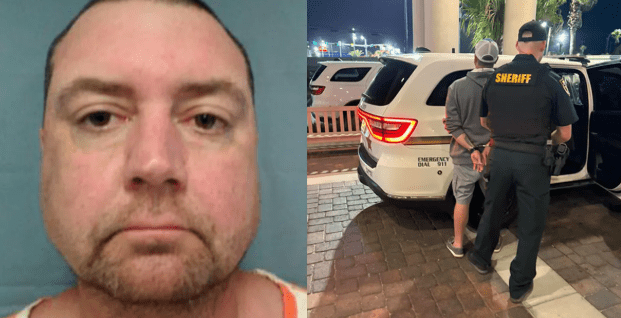
Authorities say a planned mass-casualty attack targeting Black attendees at the New Orleans Jazz & Heritage Festival was stopped before it could erupt into tragedy. The man at the center of the plot, Christopher Gillum, wasn’t some anonymous online extremist. He was a former cop, a man once trusted with a badge, now accused of planning to turn one of the country’s most vibrant cultural celebrations into a killing field.
According to law enforcement, Gillum was intercepted in Florida after a multi-state alert was triggered. He had already packed a handgun and roughly 200 rounds of ammunition and was allegedly on his way to Louisiana.
Let that sink in.
A heavily armed suspect.
A massive public event drawing nearly half a million people.
And a stated intent to target Black lives.
This wasn’t random violence. Investigators say Gillum made explicit threats about harming Black people, pushing the case firmly into the territory of racially motivated extremism.
The timing makes it even more chilling. The Jazz Fest isn’t just any gathering. It’s a cultural heartbeat, a place where music, history, and community collide in celebration. To aim violence at that space isn’t just an attack on individuals, it’s an attack on identity, on culture, on joy itself.
And yet, this story could have ended very differently.
Initially, Gillum was stopped by authorities but released because, at that moment, there weren’t sufficient legal grounds to detain him. Only later, after more information surfaced about the severity of his threats, did law enforcement move decisively, tracking him down and arresting him on a Louisiana warrant.
That narrow gap between suspicion and action is where disasters often live.
This time, it closed just in time.
The Federal Bureau of Investigation, working alongside state and local agencies, helped piece together the threat across state lines. It’s the kind of coordination that rarely makes headlines when it works, but becomes impossible to ignore when you realize what was potentially prevented.
Because the reality is blunt.
Mass shootings don’t always announce themselves with certainty. They leak out in fragments, threats, erratic behavior, warnings from family members. In this case, it was Gillum’s own family who reportedly raised alarms, saying he had gone missing while armed and expressing violent intent.
That warning may have saved lives.
Still, the case leaves behind uncomfortable questions. How does someone with a law enforcement background spiral into this level of alleged extremism? How close did this plan actually get to execution? And how many similar threats slip through the cracks before they’re fully understood?
Officials have said there is no current active threat to the festival, which went on as planned, filled with music instead of mourning.
But the near-miss lingers.
It’s a reminder that the danger isn’t always loud until the last second. That sometimes the difference between celebration and catastrophe is a single intercepted lead, a single decision to take a threat seriously.
This time, the system caught it.
Next time isn’t guaranteed.
—Terrence Dorner, B1Daily





Leave a comment