—Barrington Williams, B1Daily
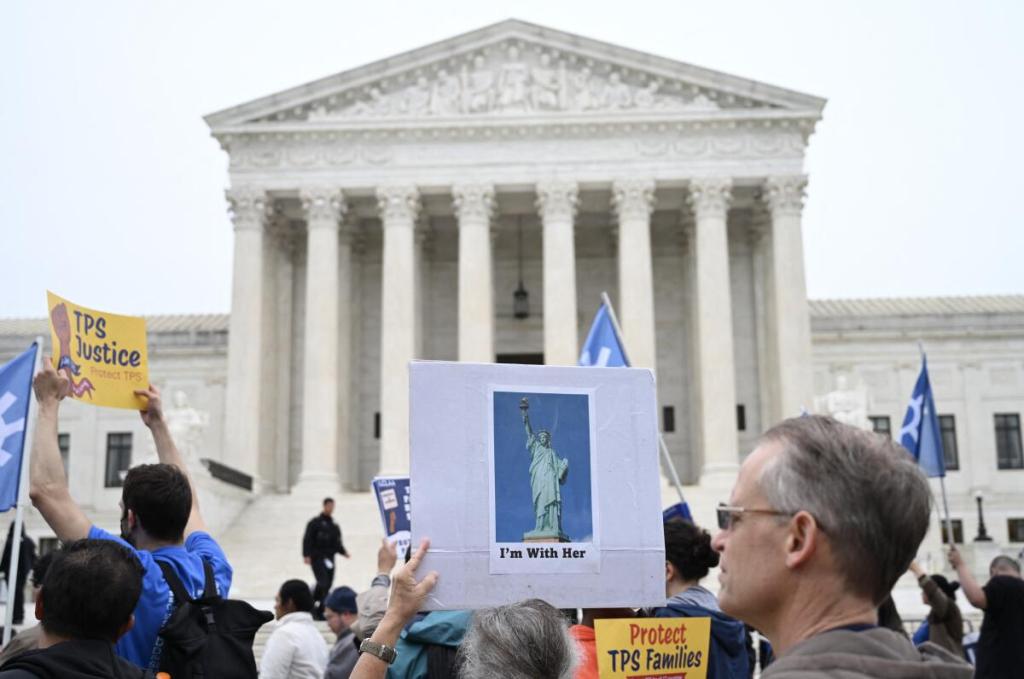
In recent years, the Supreme Court of the United States has issued a series of decisions that have significantly reshaped the enforcement of the Voting Rights Act of 1965, a cornerstone civil rights statute originally designed to eliminate racial discrimination in voting. These rulings have had measurable legal and practical effects, particularly for Black voters, who were among the primary groups the law was intended to protect.
The Legal Turning Point
The most consequential shift began with the Court’s 2013 decision in Shelby County v. Holder. In that ruling, the Court invalidated the coverage formula under Section 4(b) of the Voting Rights Act, which determined which jurisdictions were subject to federal oversight under Section 5. Section 5 required certain states and localities with histories of discrimination to obtain federal “preclearance” before changing voting laws.
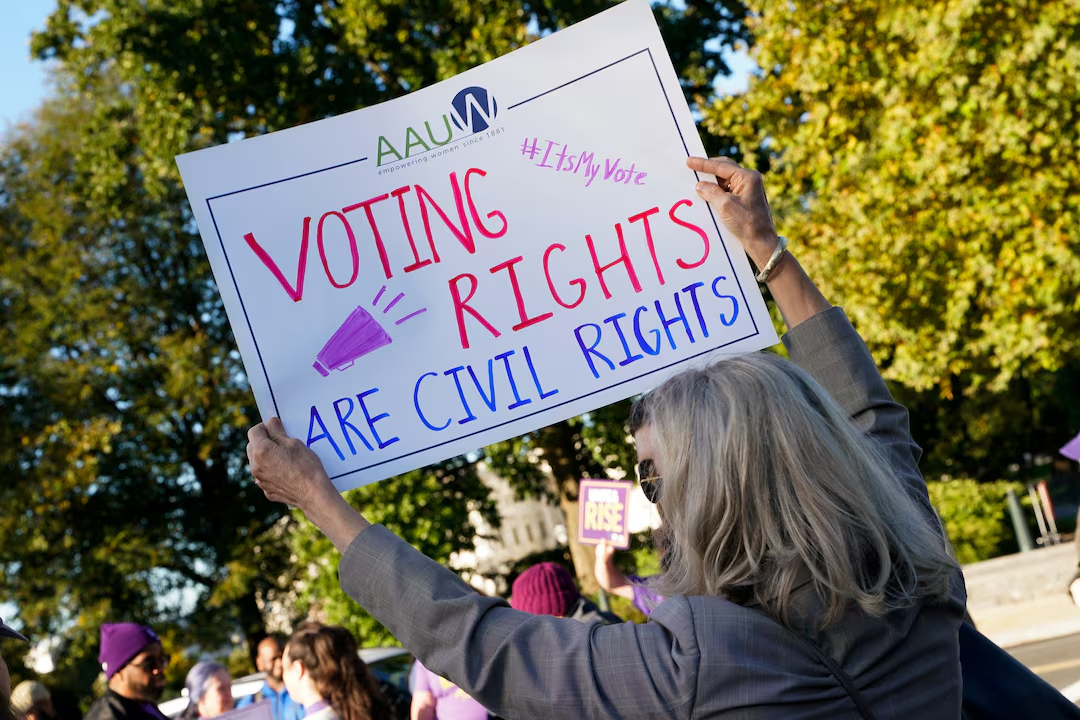
By removing the coverage formula, the Court effectively rendered the preclearance mechanism inoperative unless Congress enacted a new formula. The majority opinion argued that the formula was outdated and no longer reflected current conditions, while dissenting opinions warned that removing preclearance would weaken protections against discriminatory practices.
Subsequent Narrowing of Protections
More recently, in Brnovich v. Democratic National Committee, the Court addressed Section 2 of the Voting Rights Act, which prohibits voting practices that discriminate based on race. The ruling established a more restrictive framework for evaluating such claims, emphasizing factors like the size of the burden imposed by voting rules and the availability of alternative voting options.
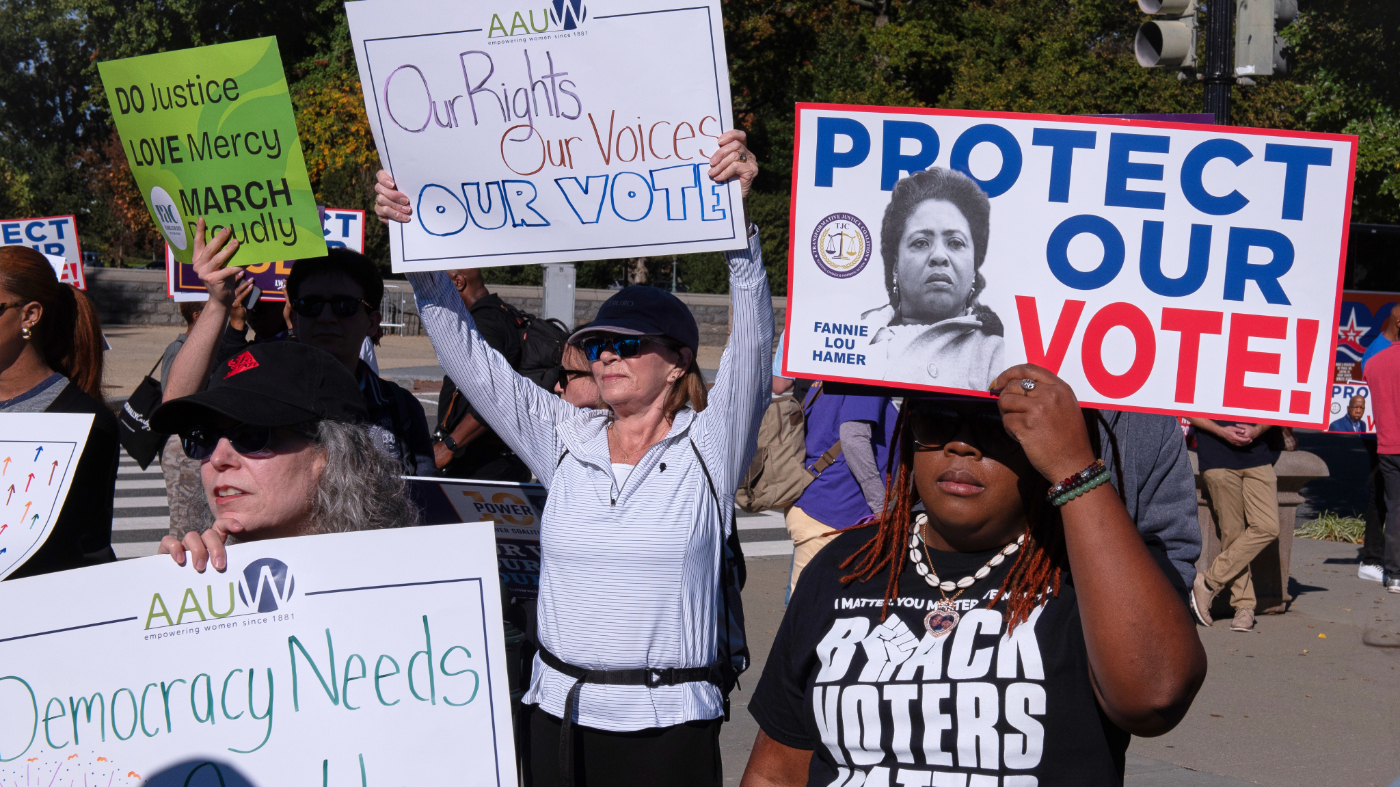
Legal analysts note that this decision made it more difficult to challenge voting laws under Section 2, shifting the burden of proof and narrowing the scope of what constitutes unlawful discrimination.
Practical Effects on Black Voters
The combined effect of these rulings has been a transition from preventive oversight to reactive litigation. Before Shelby County, jurisdictions covered by preclearance had to demonstrate that proposed voting changes would not harm minority voters before implementation. After the decision, changes can take effect immediately, with challenges occurring only after the fact.
This shift has several implications:
- Legal challenges now require more time, resources, and evidence
- Potentially discriminatory laws may remain in place during litigation
- Advocacy groups must rely more heavily on court battles rather than administrative review
Research and reporting have documented changes in voting procedures in some states following these rulings, including adjustments to voter ID requirements, polling locations, and district boundaries. Critics argue that such changes can disproportionately affect minority communities, while supporters contend they are standard election integrity measures.
Congressional Authority and Legislative Debate
Under the U.S. Constitution, Congress retains the authority to update and enforce voting rights protections. Over the past several decades, Congress has reauthorized the Voting Rights Act multiple times, most recently in 2006 with broad bipartisan support.
However, since the Shelby County decision, proposals to create a new coverage formula or expand federal oversight—such as the John Lewis Voting Rights Advancement Act—have faced political obstacles and have not been enacted into law.
There is ongoing debate about why legislative action has stalled. Some analysts point to partisan divisions, differing views on federal versus state control of elections, and broader disagreements about the current state of voting access in the United States. Others argue that political incentives, coalition-building strategies, and electoral considerations shape how parties prioritize voting legislation.
Broader Implications
The current legal landscape places greater emphasis on litigation and state-level policymaking. This has created a patchwork system in which voting rules vary widely across jurisdictions, with differing impacts depending on local conditions.
For Black voters and other minority groups, the effects are tied closely to geography, resources for legal challenges, and the responsiveness of state governments. The debate over voting rights remains active, with courts, lawmakers, and advocacy organizations continuing to shape its direction.
—Barrington Williams, B1Daily



Leave a comment