—Matt Gwinta, B1Daily
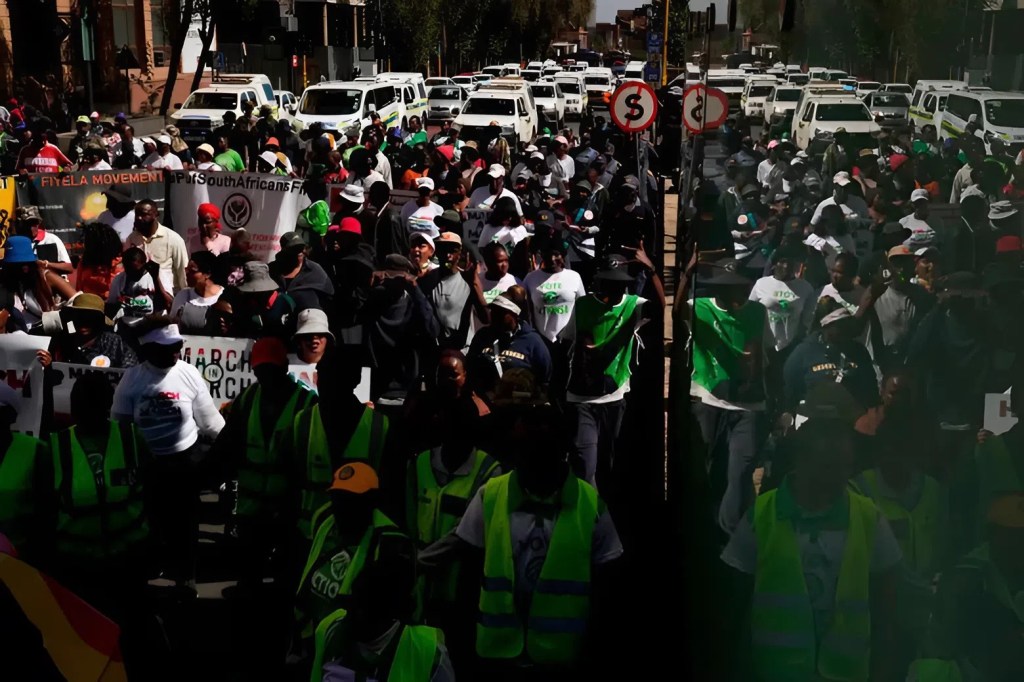
“They come here, take our jobs, and leave us with nothing!” The words echo through the streets of Johannesburg as protesters wave signs demanding tighter border controls.
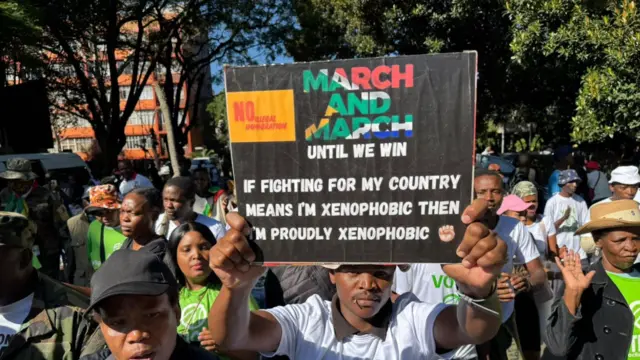
South Africa, long seen as a beacon of opportunity in Africa, is now grappling with rising anti-immigrant sentiment fueled by economic hardship, unemployment, and fears of dwindling resources.
For years, South Africa has been a magnet for migrants from neighboring countries like Zimbabwe, Mozambique, and Malawi, many fleeing poverty, political instability, or conflict. But with the country’s own economy struggling, unemployment at over 32%, rolling blackouts, and failing public services, many South Africans accuse foreigners of exacerbating the crisis.
“Our hospitals are full, our schools are overcrowded, and the government does nothing,” says Thando Mbeki, a community organizer in Pretoria. “We can’t even get houses because the waiting list is filled with people who aren’t even from here.”
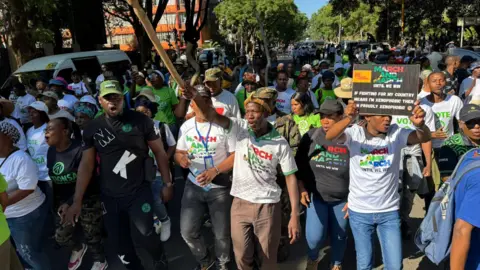
Tensions have repeatedly boiled over into violence. In recent months, informal settlements and townships have seen mobs targeting foreign-owned shops, accusing them of undercutting local businesses. Some protesters demand mass deportations, while others call for stricter visa regulations.
The government, meanwhile, struggles to balance humanitarian obligations with public pressure. Home Affairs has ramped up deportations, but corruption and porous borders make enforcement difficult.
Immigrant communities argue they are being scapegoated. “We contribute to this economy,” says Emmanuel Okeke, a Nigerian trader in Durban. “We pay rent, we create jobs. The problem isn’t us, it’s the system failing everyone.”
Economists warn that while immigration may strain resources, foreigners also fill labor gaps and stimulate trade. Yet, in townships where poverty is rampant, such arguments fall flat.
With elections looming, politicians are under pressure to act. Some opposition parties promise harsh crackdowns, while civil groups plead for tolerance. One thing is clear: until South Africa’s economic woes ease, the anger on the streets is unlikely to fade.
As protests grow louder, the nation faces a painful question, how to reconcile its history of unity with the fierce competition for survival.
—Matt Gwinta, B1Daily




Leave a comment