—Kerry Hill, B1Daily
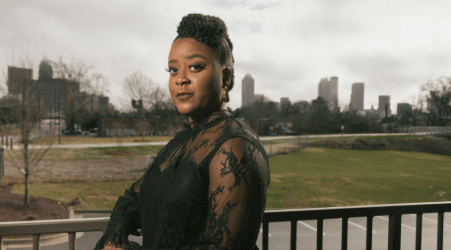
Some innovators build tools. Others build ecosystems. Dr. Nashlie Sephus somehow managed to do both, stitching together code, community, and opportunity like circuitry in motion.
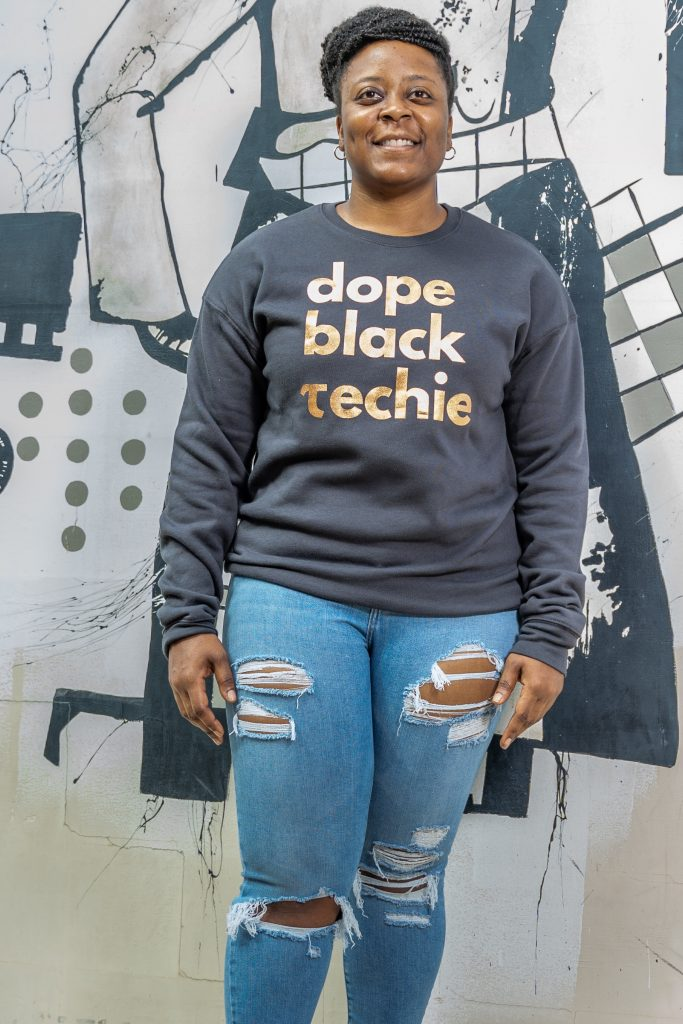
Her technical breakthrough came through her work at Partpic, where she served as a lead engineer and helped develop a system that could identify industrial parts using nothing but an image. No manuals, no guesswork, no endless catalog searches. Just a camera, an algorithm, and an answer. It was a quiet revolution in computer vision, a field within Computer Science that teaches machines to interpret the visual world.
The brilliance of the system wasn’t just in its accuracy, but in its accessibility. It translated a specialized, often frustrating industrial task into something intuitive. Snap a photo, get a match. The kind of simplicity that feels obvious only after someone invents it.
That invention didn’t stay in the shadows. Amazon saw its value and acquired Partpic, integrating the technology into what millions now use as “Part Finder” inside the Amazon app. What started as a focused engineering solution scaled into a global utility, quietly powering everyday decisions behind the glass of a smartphone screen.
But Dr. Sephus didn’t stop at building systems for corporations. She turned her attention back home, to Jackson, Mississippi, where she launched and expanded the The Bean Path, a community-driven tech hub designed to close the digital divide and spark innovation at the local level. If Partpic taught machines how to see, The Bean Path is about helping people see possibility.
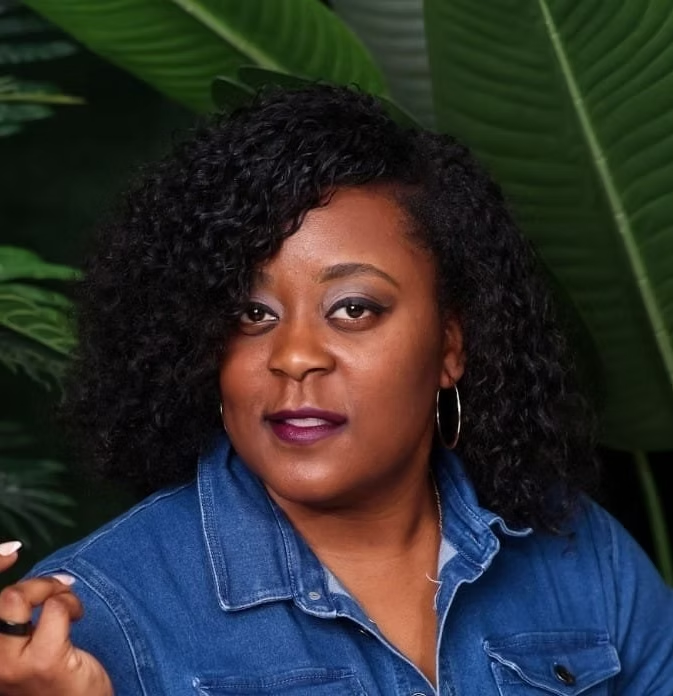
Inside that space, coding workshops, entrepreneurship programs, and access to technology aren’t luxuries, they’re tools for transformation. Dr. Sephus has framed technology not as something distant and elite, but as something tangible, teachable, and rooted in community growth. The same mind that optimized image recognition systems is now optimizing opportunity pipelines.
There’s a throughline in her work that feels deliberate. Whether she’s designing algorithms or building tech hubs, the mission is the same: remove friction, create access, and let capability rise.
And that’s the real story here. Black American (Freedmen) innovation isn’t just alive, it’s evolving. It’s not confined to labs or boardrooms. It’s in neighborhoods, in classrooms, in codebases, and in the hands of people who were too often left out of the conversation.
Dr. Nashlie Sephus didn’t just teach machines how to recognize parts. She’s helping communities recognize their own power.
—Kerry Hill, B1Daily




Leave a comment