—Mahihikan Idzenga, B1Daily
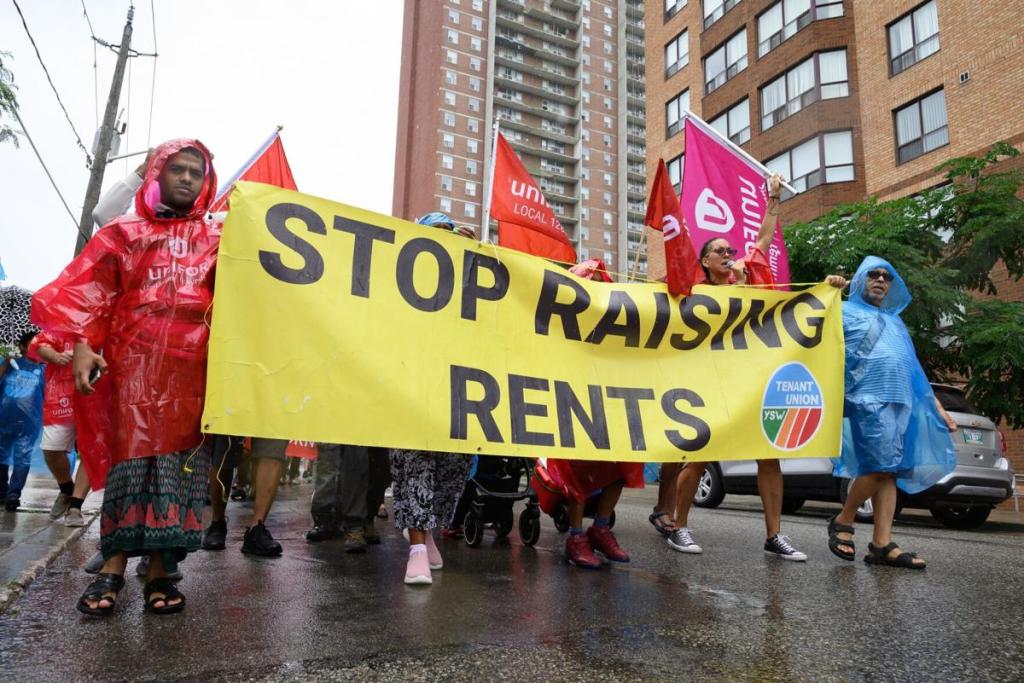
Something is shifting in Toronto, and it’s not subtle. It’s the sound of doors no longer closing quietly behind struggling renters, but swinging open as thousands begin organizing under one banner: the newly formed Toronto Tenant Union.
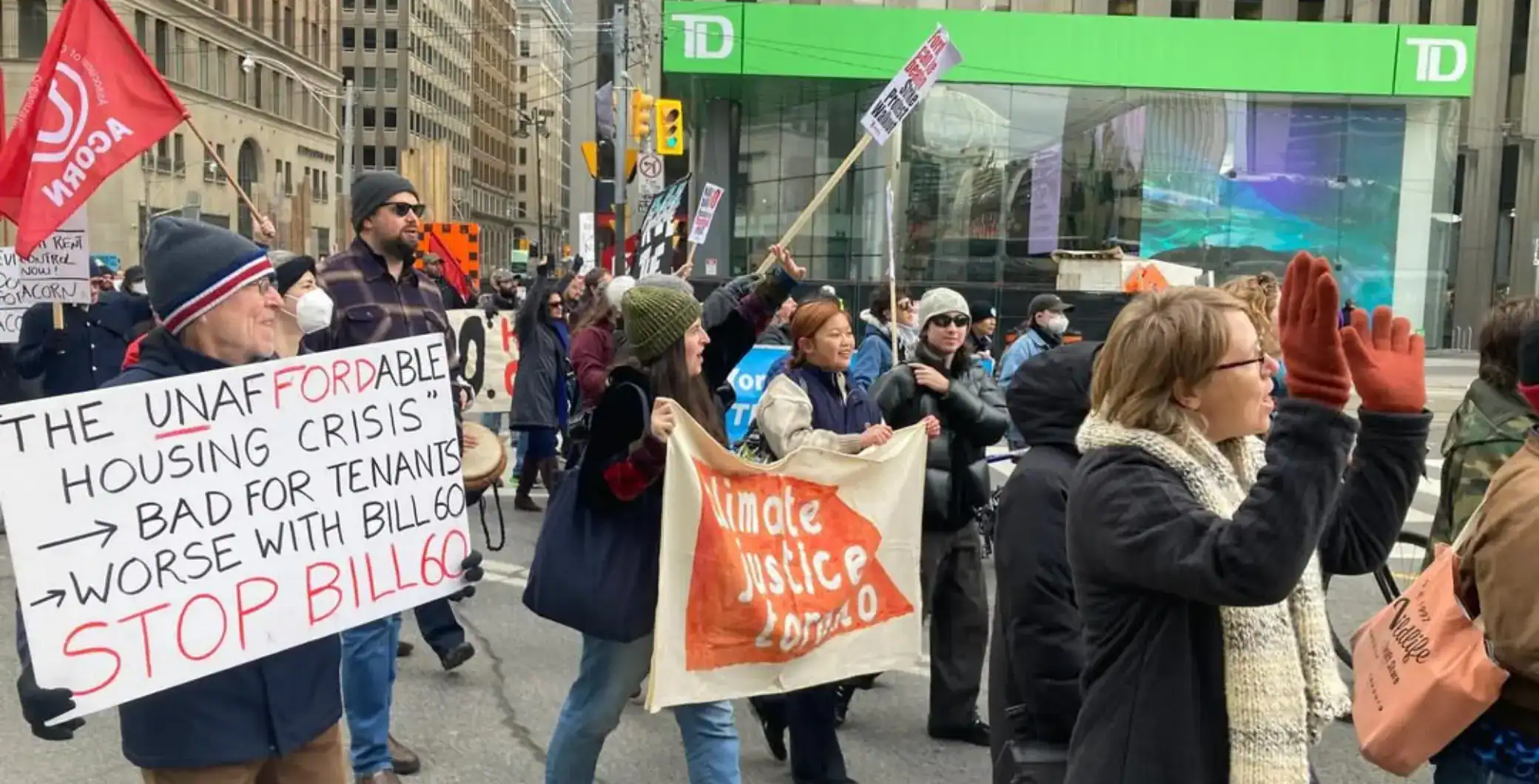
What started as a localized fight in the York South Weston neighborhood has now detonated into a citywide movement. On April 18, tenants from across the city gathered for a founding convention, formally transforming a grassroots tenant group into a unified force with ambitions as large as Toronto itself.
This isn’t just another advocacy group with a polite newsletter and a suggestion box. The union is built from the bones of real conflict, rent strikes, legal battles, and coordinated pressure campaigns that have already forced landlords to make repairs, halt rent hikes, and rethink how far they can push tenants before resistance snaps back.
At its core, the Toronto Tenant Union is trying to do something deceptively simple: turn isolated renters into a collective force. That means helping tenants organize building by building, teaching them how to challenge above-guideline rent increases, and, when necessary, escalate into coordinated actions like mass complaints or rent strikes.
And make no mistake, this didn’t emerge in a vacuum. Toronto’s housing market has been tightening like a vice. Rising rents, maintenance issues, and a system many tenants describe as confusing or stacked against them have created a pressure cooker environment. The union is the steam finally escaping, loud and impossible to ignore.
Leaders behind the movement describe it as a response to widespread frustration, tenants feeling ignored, neglected, and boxed into a system where individual complaints rarely move the needle. The union flips that dynamic. Instead of one voice knocking on a landlord’s door, it’s a chorus that echoes down the entire block.
The vision is ambitious. Organizers want to see tenant associations in buildings across the city, all connected under one network. They’re pushing for stronger rent control, better housing conditions, and expanded tenant rights, including the ability to organize and take collective action without fear of retaliation.
In many ways, this mirrors a broader wave of tenant activism spreading across North America, where renters are increasingly rejecting the idea that housing struggles are something to endure quietly. Instead, they’re treating housing like labor, something worth organizing around, bargaining for, and, if necessary, fighting over.
Toronto just planted its flag in that movement.
Whether this union becomes a lasting power structure or burns hot and fast depends on what happens next: membership growth, landlord pushback, and how effectively it can turn outrage into sustained strategy. But one thing is already clear, the era of fragmented tenant complaints is fading.
A new playbook is being written, and it reads less like a complaint form… and more like a collective contract.
—Mahihikan Idzenga, B1Daily





Leave a comment