—Kerry Hill, B1Daily
The Met Gala was supposed to be another evening of diamonds, couture, celebrity poses, and carefully manufactured elegance beneath museum chandeliers. Instead, it turned into a collision between billionaire wealth, labour activism, immigration politics, and public rage simmering just outside the velvet ropes.
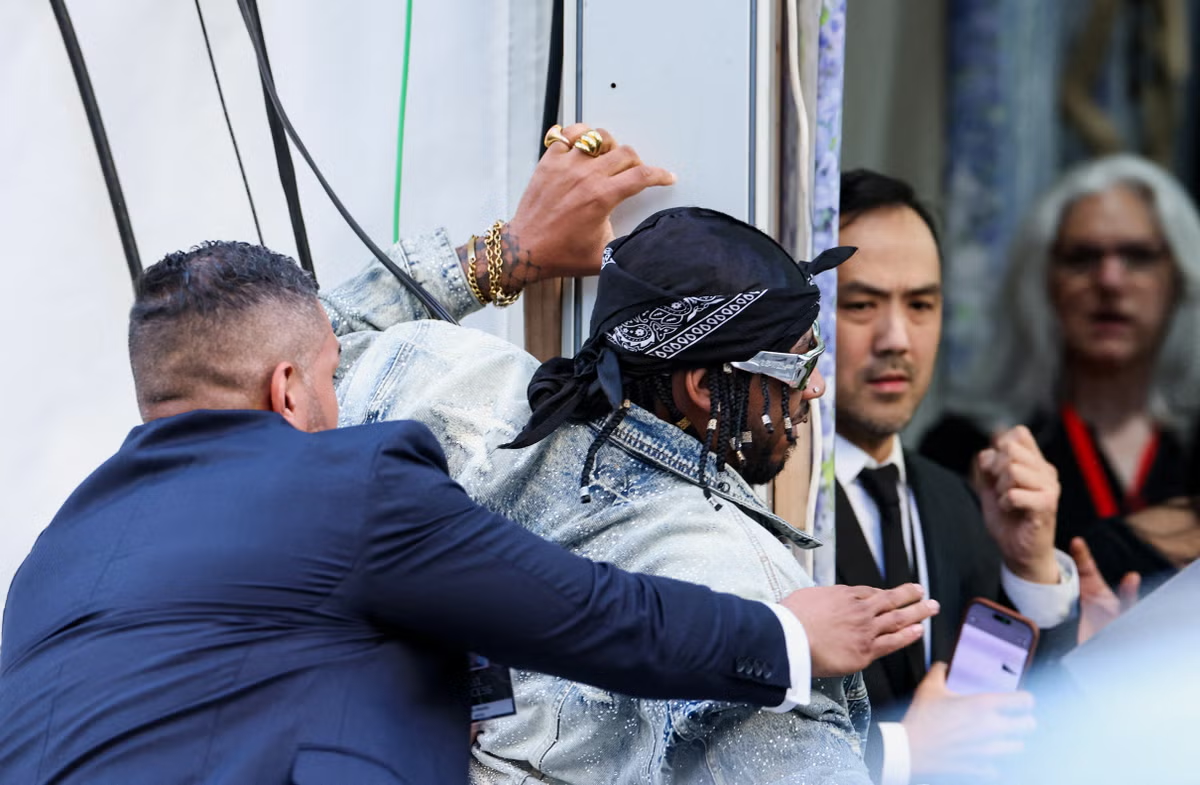
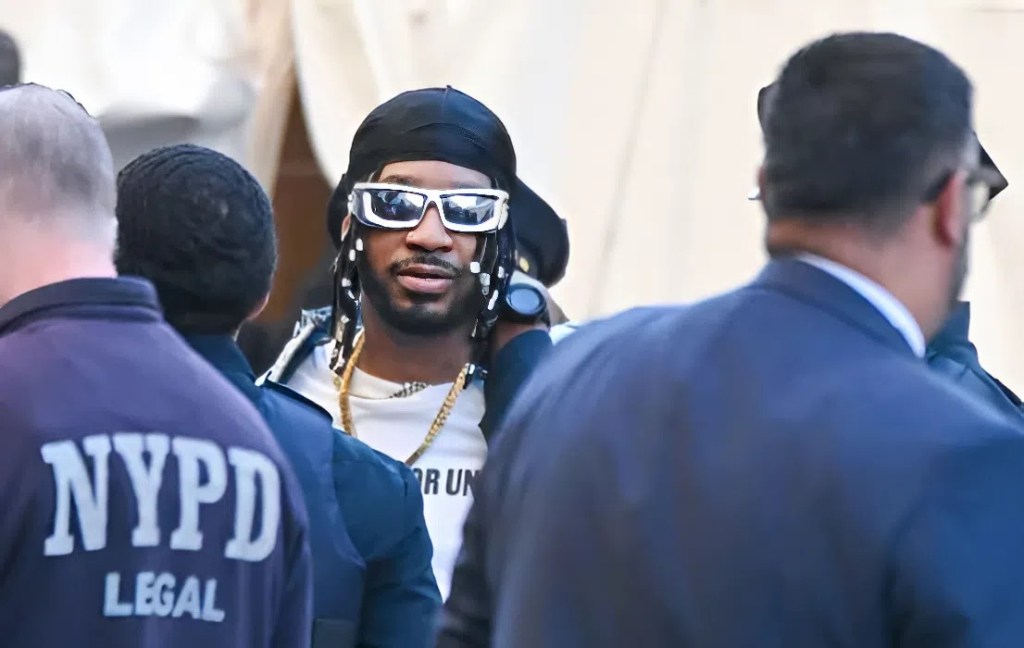
At the centre of the storm stood Chris Smalls, the former Amazon worker who helped organize the company’s first successful U.S. union drive. Smalls was reportedly arrested outside the 2026 Met Gala during protests targeting Jeff Bezos and Amazon’s role as a major sponsor of the event.
According to reports and footage circulating online, Smalls allegedly jumped a barricade near the Metropolitan Museum of Art while demonstrators protested Bezos’ involvement in the gala. NYPD officers swarmed and detained him on multiple charges including disorderly conduct, trespassing, and resisting arrest.
And suddenly, fashion’s most exclusive staircase looked less like a runway and more like a mirror reflecting America’s widening social fractures.
This year’s Met Gala had already been drowning in controversy before a single celebrity stepped onto the carpet. Bezos and his wife, Lauren Sánchez Bezos, reportedly donated over $10 million to the event and served as honorary co-chairs, a move that triggered backlash from activists, labour organizers, and critics of billionaire influence over cultural institutions.
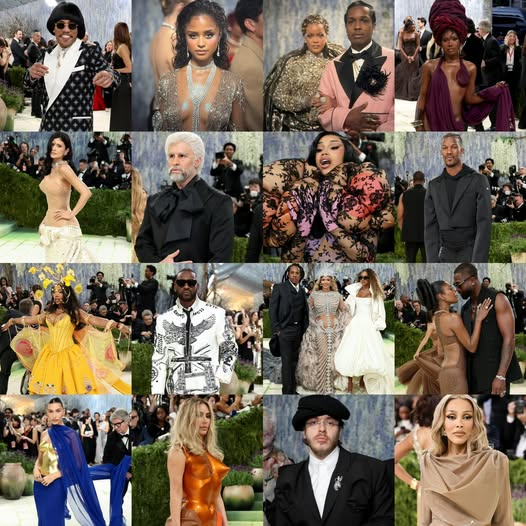
Protesters accused the gala of becoming what some online critics dubbed “the Bezos Ball,” arguing that one of the world’s richest men was effectively purchasing prestige and social legitimacy while Amazon continued facing accusations over labour practices, union resistance, and surveillance contracts connected to immigration enforcement.
That last point ignited especially fierce anger.
Activists repeatedly highlighted Amazon’s technological partnerships with ICE and other federal agencies. Critics argue Amazon’s cloud services and surveillance technology infrastructure have assisted immigration enforcement operations, making Bezos an especially provocative figure amid ongoing national debates surrounding deportation policies and detention systems.
To protesters, the symbolism became unbearable.
Inside the Met Gala: celebrities wearing gowns costing more than most Americans’ rent.
Outside the Met Gala: demonstrators chanting about labour exploitation, wealth inequality, Gaza protests, and immigration enforcement.
The contrast felt almost dystopian. Like The Hunger Games rewritten by Vogue magazine and Silicon Valley.
Activist groups projected anti-Bezos slogans onto Manhattan buildings in the days leading up to the event. One message reportedly read: “If You Can Buy the Met Gala, You Can Pay More Taxes.” Another protest campaign accused Amazon of refusing to negotiate fairly with union workers.
One activist collective even placed hundreds of fake urine bottles around the museum in reference to long-running allegations that Amazon warehouse employees faced such intense work conditions they sometimes urinated in bottles to avoid productivity penalties.
Then came Smalls’ arrest.
For supporters, the image instantly transformed him into a symbol: the labour organizer dragged away while billionaires walked the red carpet nearby beneath camera flashes and applause.
For critics, it was another example of activist theatre disrupting a charity event.
But regardless of political perspective, the moment captured something larger happening in Western culture right now. Increasingly, elite celebrity events are becoming battlegrounds for economic resentment and political anger. The Met Gala, once mocked mainly for bizarre outfits and impossible ticket prices, now attracts the sort of ideological warfare usually reserved for election rallies.
Even fashion insiders appeared uneasy. Some celebrities skipped the event entirely amid the controversy, while others openly supported the protesters outside.
And perhaps that’s the real story.
The outrage surrounding Bezos, ICE, and Smalls isn’t just about one arrest or one billionaire sponsor. It reflects a growing public feeling that wealth, political influence, tech power, and cultural institutions are fusing into one giant polished machine where the rich attend galas while ordinary people struggle with rent, healthcare, wages, and economic instability.
The Met Gala staircase has always been glamorous.
This year, it also looked a bit like a pressure cooker with Swarovski crystals glued onto the lid.
—Kerry Hill, B1Daily



Leave a comment