—Pratima Gadal, B1Daily
Singapore has passed sweeping amendments giving the government broader authority over media ownership and acquisitions, a move supporters say is necessary to combat monopolies, disinformation, and foreign influence, while critics warn it could tighten political control over already heavily regulated media spaces.
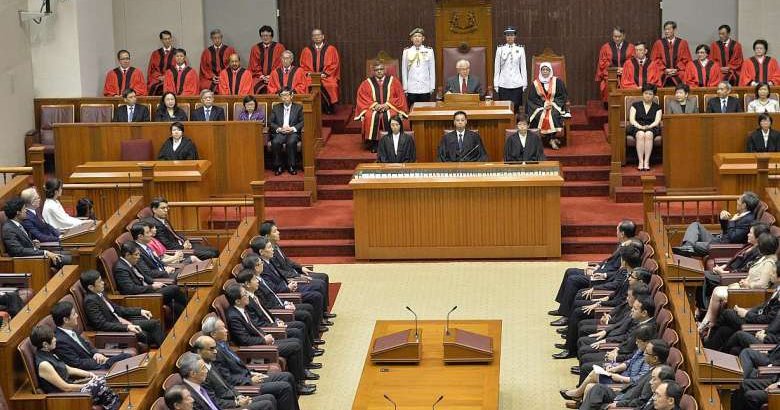
Under the new law, any party seeking to acquire 30% or more ownership in a regulated media entity must first obtain approval from Singapore’s Infocomm Media Development Authority, better known as the IMDA. The legislation also grants the government expanded powers to intervene in media markets and even order the structural separation of media companies in extreme situations deemed against the public interest.
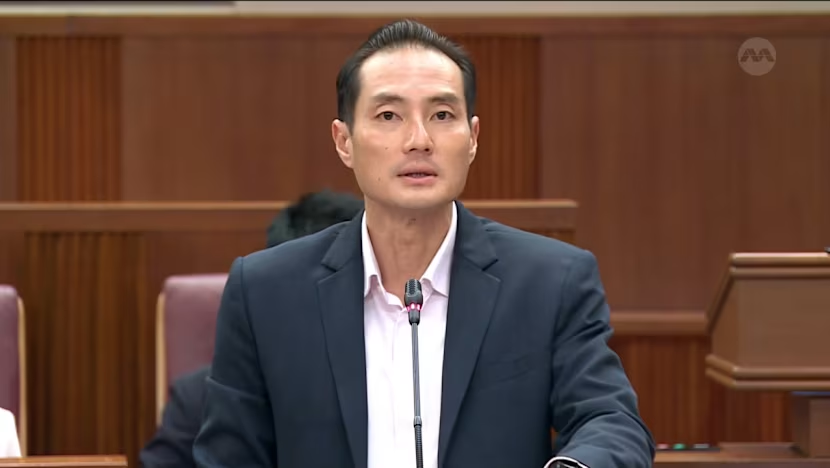
Singaporean officials insist the changes are about preserving fair competition and protecting consumers in an age increasingly shaped by artificial intelligence, algorithmic manipulation, and online disinformation campaigns. Senior Minister of State Tan Kiat How argued in parliament that media organisations “shape the information environment” for citizens and therefore require tighter oversight.
The government says the new framework aligns media regulation more closely with existing telecommunications oversight models. Officials also claim the structural separation powers would only be used as a “last resort” after other regulatory tools fail.
Still, the legislation has ignited debate far beyond Singapore’s borders because it touches a nerve many democracies are currently struggling with: who controls information in the digital era?
Supporters of the bill argue modern media ecosystems are no longer simple newspapers and television stations. Today’s media giants shape elections, social cohesion, public trust, and even national security narratives. Governments worldwide increasingly fear hostile foreign investment, coordinated propaganda campaigns, and billionaire-backed influence operations masquerading as journalism.
Singapore’s model essentially says the state should retain the ability to intervene before a powerful media entity becomes too dominant or politically destabilising.
Critics, however, see a more troubling possibility.
Opposition figures and civil liberty advocates warned during parliamentary debates that concentrating this level of authority in government hands could discourage genuinely independent media from emerging at all. Workers’ Party MP Andre Low reportedly argued the law risks preventing future independent media organisations from gaining influence outside government reach.
Other lawmakers questioned whether ministerial authority over media restructuring creates too much concentrated political power, especially when governments themselves may become subjects of media scrutiny.
This debate becomes even more significant internationally because many Western nations are already drifting toward stronger regulation of speech, media platforms, and online information ecosystems.
Across Europe, governments have introduced aggressive online content moderation rules targeting disinformation and extremist content. In the United Kingdom, debates surrounding the Online Safety Act sparked fears about censorship powers and government influence over digital speech. In the United States, arguments continue over social media moderation, foreign-owned platforms like TikTok, and whether large media corporations wield too much influence over public discourse.
Singapore’s legislation pushes that philosophy a step further: not merely regulating content, but directly regulating ownership and structural control.
And that raises a massive question.
What happens if Western countries begin adopting similar frameworks?
On paper, supporters would argue such laws could prevent oligarchs, hostile foreign governments, or tech monopolies from dominating national information systems. Governments could theoretically block politically manipulative acquisitions, reduce media monopolisation, and intervene against corporations seen as harmful to democratic stability.
But critics fear another outcome entirely.
If governments gain broad discretion over who may own media outlets, who may merge, and which organisations may expand, the line between “protecting democracy” and “managing acceptable speech” could become dangerously thin. Independent journalism might struggle to survive if regulators gain the power to decide which media entities are allowed to grow large enough to matter.
In countries already polarised politically, these powers could easily become weapons.
Imagine future administrations deciding certain broadcasters spread “harmful narratives.” Imagine ministers gaining authority to pressure restructuring of politically inconvenient media companies under the banner of public interest or anti-disinformation enforcement. The potential for abuse becomes enormous, especially during elections, national emergencies, or periods of civil unrest.
Singapore’s government maintains the safeguards are strict and targeted. Officials insist the powers are limited, legally constrained, and designed primarily for competition oversight.
Yet history shows governments rarely surrender powers once obtained, especially powers connected to information control.
The broader reality is this: nations around the world are entering a new era where information itself is treated almost like critical infrastructure. Data, narratives, news ecosystems, and online influence operations are increasingly viewed through the lens of national security rather than simple free-market principles.
Singapore may simply be ahead of the curve.
Whether that curve leads toward stability or a softer form of state-managed media remains the real international question.
—Pratima Gadal, B1Daily






Leave a comment