—Kerry Hill, B1Daily
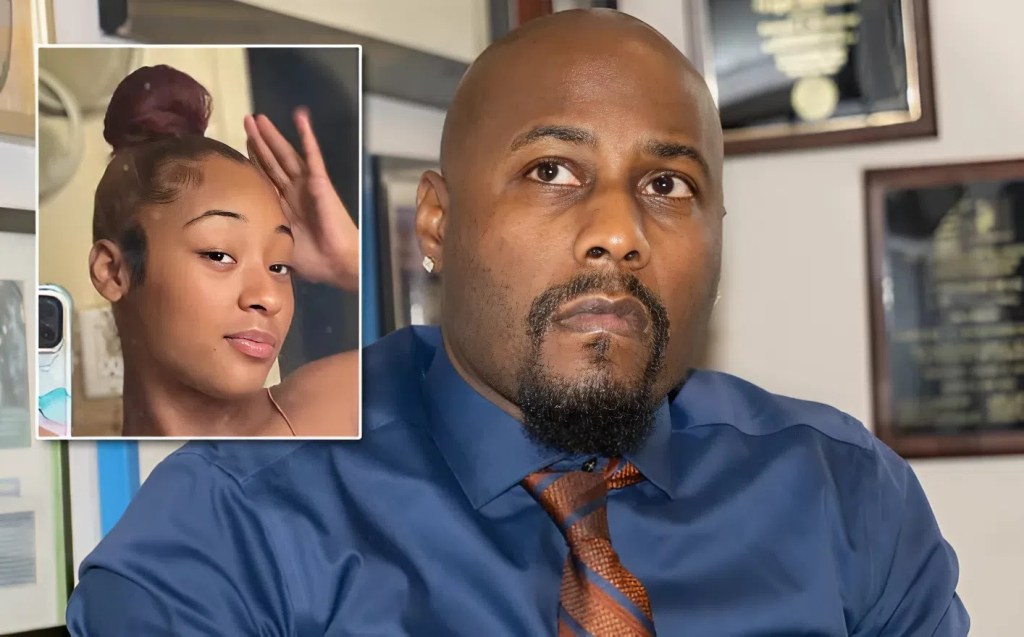
The $50 million wrongful death lawsuit filed by Tony Mizell after the killing of his daughter, Emery Lynn Mizell, is prescient.

According to the lawsuit, Emery was not simply murdered in a random act of violence. Her father argues she was slowly cornered by a campaign of cyberbullying that unfolded through Instagram before finally ending in blood on a Bronx sidewalk.
Emery was only 17 years old. She wanted to become a nurse. She liked dancing. She was weeks away from graduating high school when prosecutors say another teenage girl stabbed her to death in the Soundview section of the Bronx in 2024.
Now her father is suing Meta, New York City, and the Administration for Children’s Services, alleging they all failed in different ways to stop what he describes as a preventable tragedy.
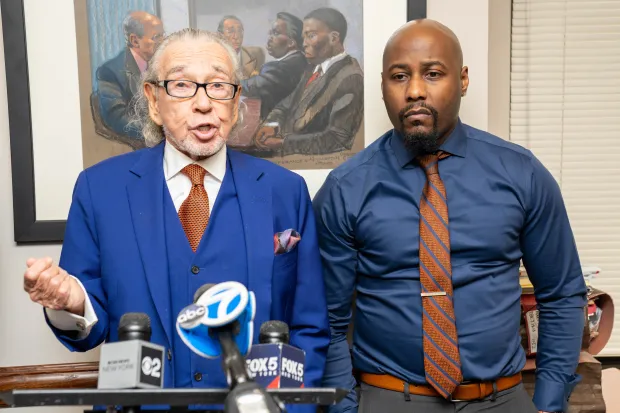
The emotional core of the case is devastating enough on its own. Tony Mizell has publicly described how Emery told him another girl had been harassing and threatening her online for weeks. According to interviews and court filings, the alleged threats escalated until the suspect allegedly warned she would stab Emery.
Then one day, she allegedly did.
But underneath the grief sits a much larger legal battle quietly reshaping American courts: whether social media companies can finally be held legally responsible when their platforms amplify harassment, threats, and psychological harm toward children.
For years, tech giants have operated behind the armored shield of Section 230, the federal law that protects online platforms from liability over user-generated content. That protection helped build modern social media empires, but critics argue it also created a world where corporations could profit from engagement while distancing themselves from the human wreckage caused by their algorithms.
The Mizell lawsuit attempts to push through that wall by focusing not simply on user speech, but on platform design itself.
The complaint reportedly argues that Instagram was deliberately engineered to maximize compulsive engagement among teenagers while amplifying harmful and inflammatory interactions. That legal framing mirrors a growing wave of litigation across the country where attorneys are increasingly treating social media platforms less like neutral message boards and more like dangerous consumer products.
And suddenly, courts are starting to listen.
Just weeks ago, juries in California found Meta and YouTube negligent in landmark cases involving alleged harms to young users, including claims involving addiction, mental health deterioration, and platform design targeted toward minors.
Those rulings may become critical to Emery’s family’s case.
Because the legal battlefield is changing. Plaintiffs are no longer arguing only that harmful content existed online. They are arguing that platforms knowingly engineered systems that emotionally trap young users, intensify conflict, and reward outrage because outrage keeps people scrolling.
That distinction matters enormously in court.
The lawsuit also targets New York City’s Administration for Children’s Services because the teenage suspect was reportedly in foster care at the time of the stabbing. Emery’s family argues ACS failed to intervene despite warning signs and failed to properly supervise a teenager allegedly exhibiting escalating violent behavior.
Legally, that creates a second layer of liability involving negligent supervision and government duty of care. Public agencies responsible for minors in custody can face civil exposure if plaintiffs can prove officials knew or reasonably should have known about dangerous behavior and failed to act appropriately.
But beyond the legal arguments lies something harder to quantify.
A father going home to an urn.
A younger sister sleeping beside cremated ashes because grief has become part of the furniture now.
The internet often treats cyberbullying like temporary digital weather. Kids being kids. Drama. Trolls. But lawsuits like this force society to confront a darker possibility: that online harassment is no longer separate from real life at all. The algorithm does not stop at the phone screen. Sometimes it follows children home. Sometimes it waits outside apartment buildings. Sometimes it ends with detectives marking off crime scenes.
And increasingly, grieving parents are asking whether Silicon Valley should continue escaping responsibility for the emotional machinery it built.
The Mizell lawsuit may not fully answer that question.
But it is forcing the legal system to stare directly at it.
—Kerry Hill, B1Daily





Leave a comment