
—Travis Luyindama, B1Daily
The modern GPU feels like pure silicon magic, tiny chips turning electricity into worlds, simulations, and AI reasoning, but beneath that glow is a global mineral pipeline that begins in the earth and ends in your graphics card.

Across parts of Africa, governments are shifting how that pipeline works by increasing control over critical minerals, raising export royalties, tightening raw export rules, and pushing for more domestic processing instead of simple extraction and shipment.
Countries such as the Democratic Republic of the Congo sit at the center of this transformation, especially as key materials like cobalt remain essential to the broader electronics and semiconductor ecosystem.
While these minerals are not always directly inside GPU memory chips, they support the manufacturing infrastructure that makes advanced computing hardware possible, meaning any disruption or pricing shift can ripple through the system.
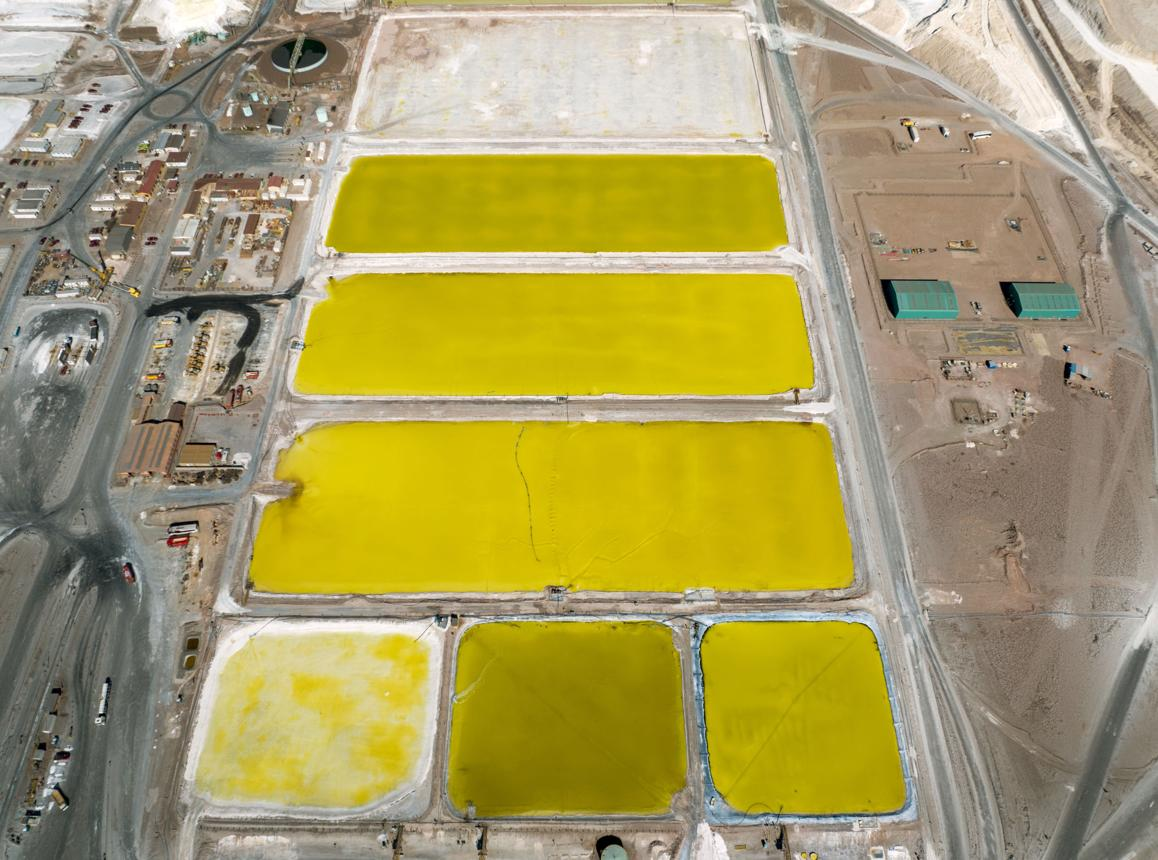
This shift toward “resource nationalism” is reshaping expectations across global tech supply chains. African producers are increasingly treating raw minerals not as low-margin exports but as strategic assets that should generate more value locally, either through processing requirements or tougher contract negotiations.
At the same time, the global semiconductor industry depends on stable, predictable input costs to keep fabrication and packaging lines efficient. When that stability is disrupted, manufacturers respond with higher risk premiums, adjusted sourcing strategies, and incremental price increases across components.
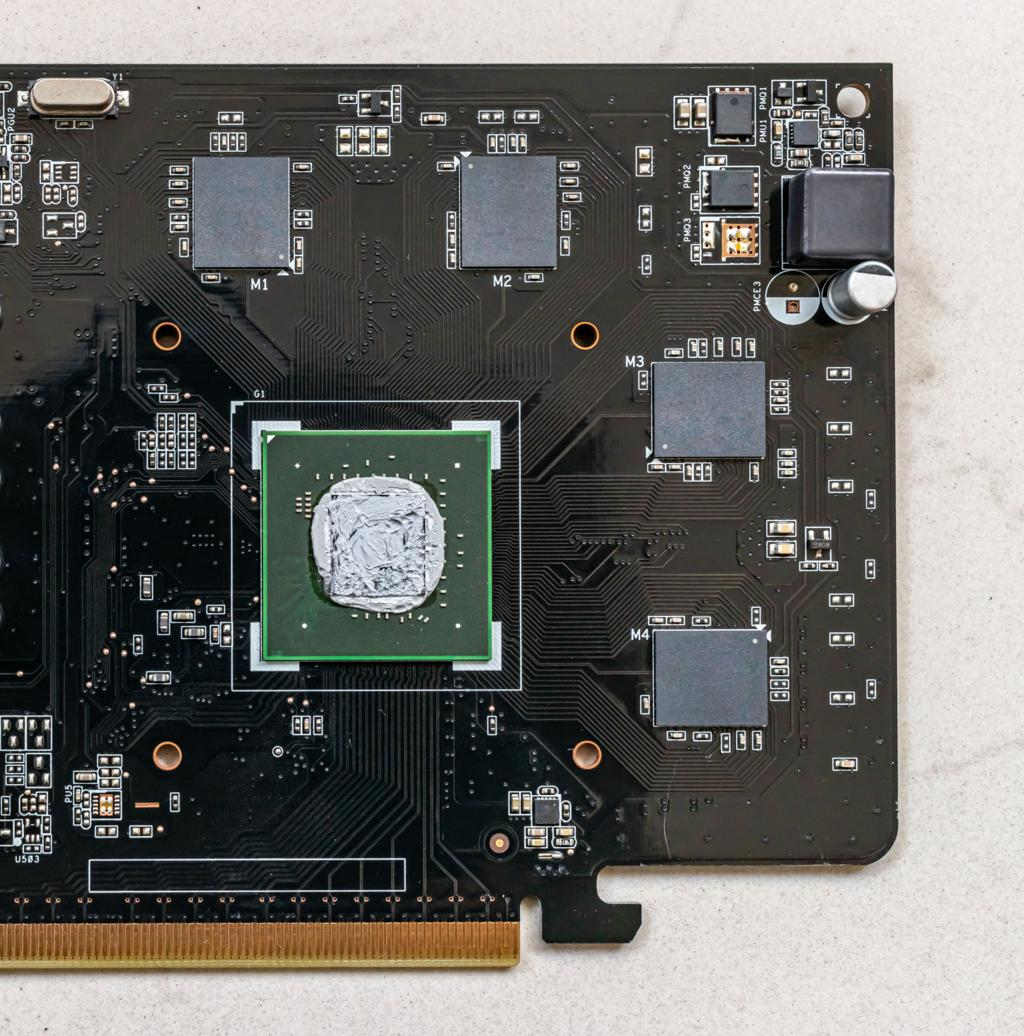
GPU memory, especially high-bandwidth memory used in AI accelerators and modern graphics cards, is particularly sensitive because it sits inside a tightly interconnected production chain where small cost changes compound quickly.
The pressure becomes more visible when layered on top of the AI boom. Demand for GPUs has surged as companies build massive computing clusters for training and running artificial intelligence systems, driving unprecedented consumption of high-performance memory. This creates a double squeeze: supply chains are tightening while demand is accelerating.
Even if African mineral policies are only one part of a much larger system, they contribute to a broader environment where costs drift upward rather than remain stable.
As a result, GPU memory pricing reflects more than just chip design or manufacturing efficiency. It reflects global negotiations over resources, value distribution, and industrial control.
What begins in African mines travels through processing facilities, semiconductor fabs, and packaging plants before finally arriving in consumer hardware and data centers. The end result is a subtle but persistent rise in costs that gamers, developers, and AI companies all feel in different ways.
—Travis Luyindama, B1Daily






Leave a comment