—Kerry Hill, B1Daily
A local nazi is ruining Memphis. And this stochastic terrorist is one well known.
Enter Elon Musk, who claims that his vision for artificial intelligence is supposed to represent the future. However, in South Memphis, many residents say that future smells like exhaust fumes, sounds like industrial turbines, and feels like another chapter in a long history of environmental burdens placed on Black communities.
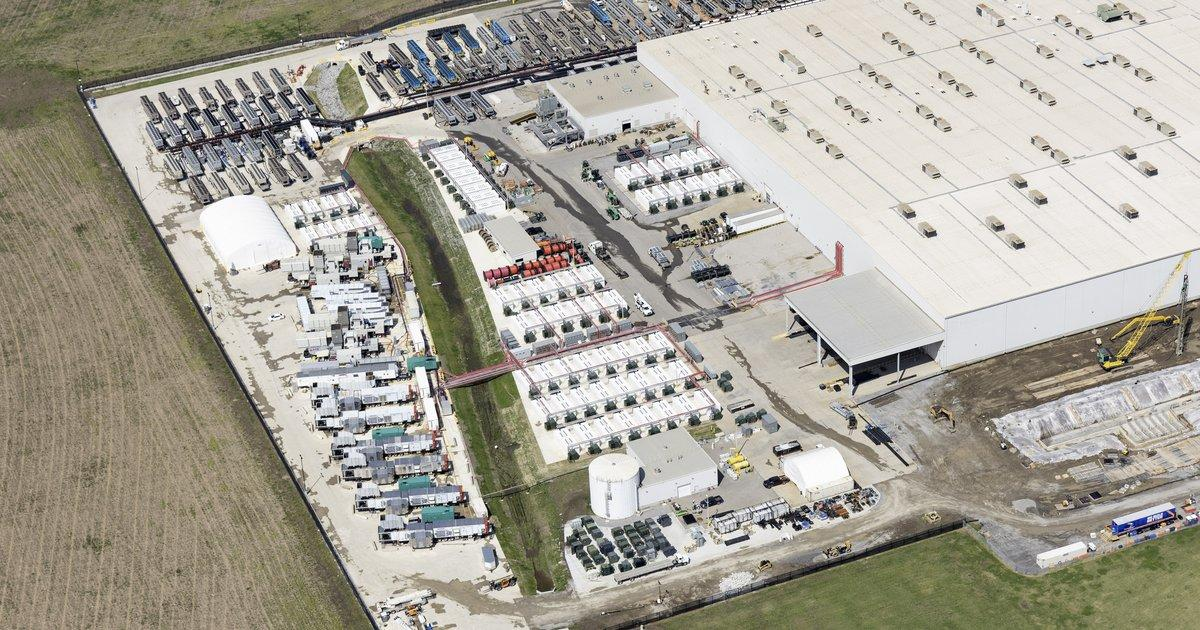
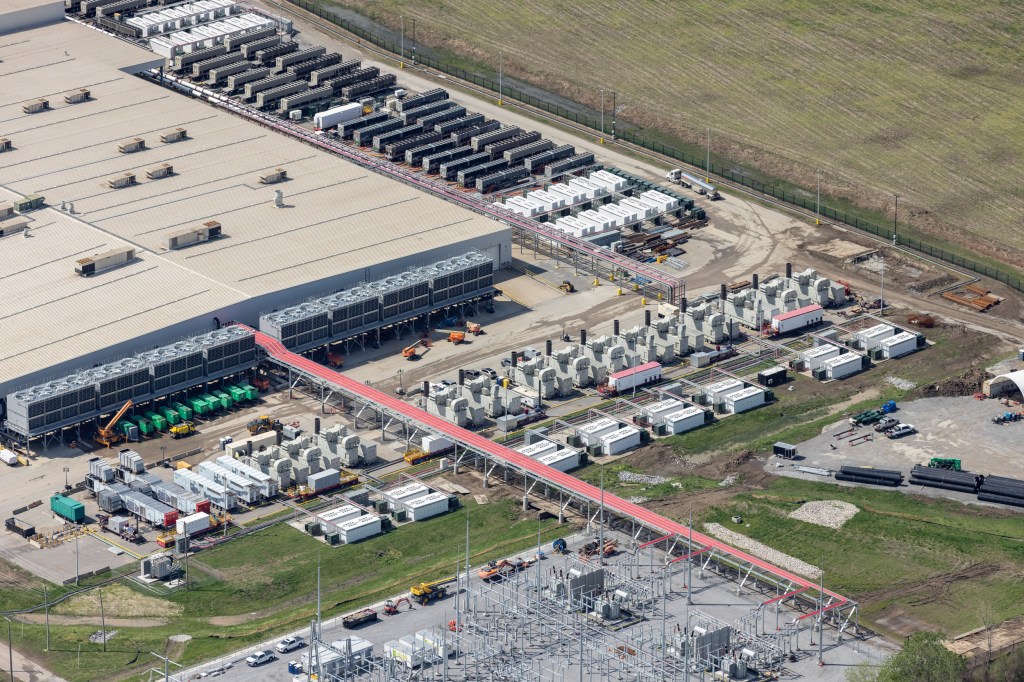
At the heart of the controversy is xAI’s Colossus supercomputer facility, one of the largest artificial intelligence data centers in the world. Built to power Musk’s AI ambitions and support products such as Grok, the facility requires enormous amounts of electricity to operate. Critics argue that the company’s solution to that problem has created a new one: pollution concerns in neighborhoods that already face some of the worst environmental conditions in Tennessee.
Environmental advocates, community activists, and the NAACP have accused xAI of operating large numbers of methane gas turbines without proper permits. According to legal filings and regulatory disputes, these turbines have been used to generate electricity for the data center while questions remain about compliance with federal clean air regulations. Multiple lawsuits have now been filed challenging the legality of those operations.
The issue has become particularly sensitive because of where the facility is located. South Memphis and surrounding communities such as Boxtown have long struggled with industrial pollution from factories, transportation corridors, and energy infrastructure. Residents say the addition of another major pollution source feels less like economic development and more like environmental sacrifice.
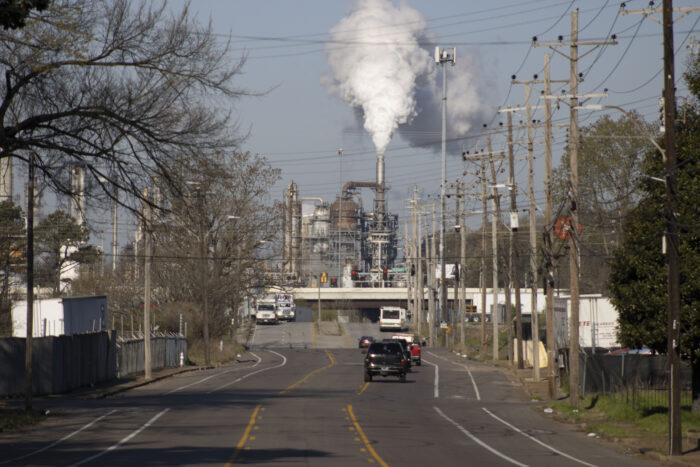
Community members have repeatedly raised concerns about emissions linked to natural gas turbines, including nitrogen oxides, particulate matter, and other pollutants associated with respiratory illnesses. Health advocates warn that communities already dealing with elevated asthma rates and other chronic health problems could face additional risks if pollution levels continue to rise.
The debate extends beyond air quality. Residents have also expressed concerns about noise pollution generated by the facility’s turbine operations. Public hearings have featured emotional testimony from citizens who say the constant industrial activity has disrupted daily life and raised fears about long-term health consequences.
Supporters of the project point to economic benefits. Local officials and business leaders have highlighted billions of dollars in investment, new jobs, infrastructure improvements, and Memphis’ growing role in the booming artificial intelligence economy. They argue that the city has an opportunity to become a major technology hub and that large-scale infrastructure projects inevitably come with tradeoffs.
But critics question whether those benefits are reaching the neighborhoods most affected by the facility. Many residents argue that promises of economic opportunity do little to address concerns about air quality, public health, and environmental justice. For them, the issue is not whether technology should advance. The issue is whether that advancement should come at the expense of communities that have historically carried a disproportionate share of industrial pollution.
The controversy surrounding xAI’s Memphis operations is increasingly being viewed as a preview of a national debate. As artificial intelligence companies race to build larger and more powerful data centers, communities across America are beginning to ask who bears the environmental costs of the AI revolution. Data centers require staggering amounts of electricity, water, and infrastructure. The question many residents are asking is whether local communities will have a meaningful voice in how those facilities are developed.
For Memphis residents living closest to the turbines, that question is no longer theoretical. It is happening outside their windows every day.
As lawsuits move through the courts and regulators continue reviewing permits and compliance questions, the fight over Musk’s Memphis data center has become larger than one company or one city. It has become a test case for how America balances technological innovation, corporate power, environmental responsibility, and the rights of communities that often feel unheard.
The future of artificial intelligence may be built inside data centers. The battle over who pays the price for that future is already being fought in Memphis.
—Kerry Hill, B1Daily






Leave a comment