—Matt Gwinta, B1Daily
The African diaspora represents a vast reservoir of untapped potential, skilled professionals, entrepreneurs, and cultural ambassadors who remain deeply connected to their ancestral homeland.
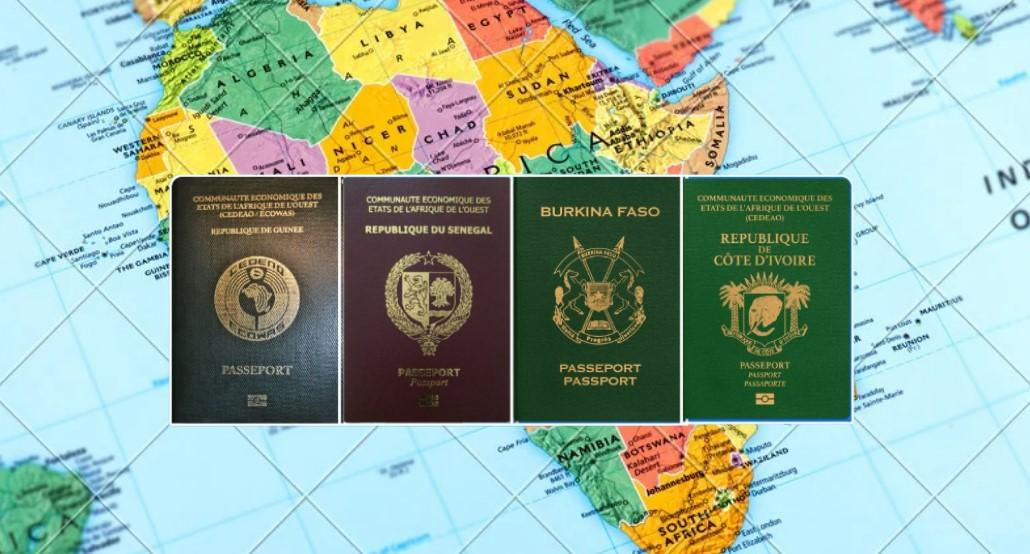
Yet, bureaucratic barriers often prevent them from formally reclaiming their ties. Granting streamlined citizenship pathways would not only rectify historical disconnection but also fuel economic growth, as returning diasporans bring capital, expertise, and global networks crucial for development.
Beyond economics, diaspora inclusion is a moral imperative. Centuries of forced displacement through slavery, colonialism, and migration have severed familial and cultural bonds. Offering citizenship is a step toward healing these wounds, acknowledging diaspora communities as integral to Africa’s identity rather than distant outsiders.

Countries like Ghana have already seen the benefits, with initiatives like the “Year of Return” boosting tourism and investment, proof that symbolic gestures can translate into tangible gains.
Security and political stability could also benefit. Many diasporans are fiercely invested in Africa’s progress, often advocating for good governance and human rights from abroad.
By formalizing their status, nations can harness this passion, encouraging civic engagement and reducing brain drain. Dual citizenship eliminates the painful choice between opportunity abroad and belonging at home, fostering loyalty rather than division.
Critics may argue that resources are too scarce to support an influx of new citizens, but this overlooks the diaspora’s self-sufficiency. Most returnees don’t seek handouts, they seek opportunity.
With policies incentivizing entrepreneurship and property ownership, their contributions could outweigh costs. Moreover, diaspora remittances already dwarf foreign aid; imagine their impact if coupled with full citizenship rights.
Africa stands at a crossroads: cling to exclusionary policies or embrace its global family. The diaspora is not a footnote in Africa’s story, they are co-authors of its future. By opening the door to citizenship, the continent can reclaim its scattered children, turning historical trauma into a collective renaissance. The time to act is now.
—Matt Gwinta, B1Daily





Leave a comment