—Kerry Hill, B1Daily
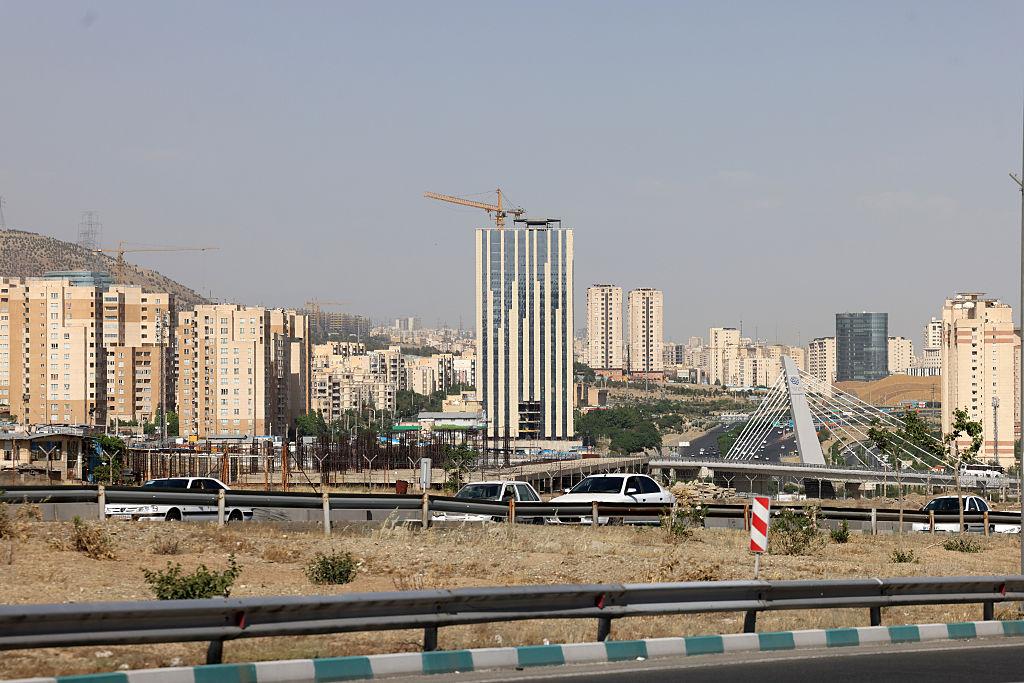
For decades, relations between the United States and Iran have been defined by sanctions, military threats, proxy conflicts, and diplomatic breakdowns. Now, a proposed peace framework is offering something almost unimaginable a few years ago: the possibility of as much as $300 billion in investment and reconstruction flowing into Iran as part of a broader effort to stabilize the region.

Supporters of the agreement argue that economic integration is often more effective than endless confrontation. Under the reported framework, Iran would gain access to large-scale investment aimed at rebuilding infrastructure, modernizing industry, expanding energy production, and repairing damage caused by years of economic isolation and recent conflict. If fully implemented, the package could become one of the largest economic redevelopment efforts in modern Middle Eastern history.
The potential impact on Iran’s economy would be enormous. Major sectors including oil and natural gas, transportation, manufacturing, telecommunications, ports, airports, and logistics networks could receive significant upgrades. Such investment could create jobs, attract foreign businesses, and provide a long-term path toward economic growth for a nation of more than 90 million people.
For Washington, supporters say the deal represents a strategic shift. Rather than relying exclusively on sanctions and military pressure, the agreement seeks to create economic incentives for regional stability. Advocates believe that a more prosperous Iran would have stronger reasons to avoid military confrontation and focus instead on development and trade.
The agreement could also have global consequences. Iran sits at the crossroads of major trade routes connecting Asia, Europe, and the Middle East. Improved stability and economic growth could strengthen international energy markets, reduce disruptions in shipping lanes, and encourage broader regional investment.
Critics, however, are raising serious questions. Opponents argue that any large-scale economic package risks empowering a government they view as hostile to American interests. Others question whether the funds would be properly monitored and whether political reforms would accompany economic benefits. Skeptics also worry that future administrations could abandon the agreement, creating uncertainty for investors and regional partners.
Another debate centers on where the money would actually come from. Some reports describe the package as an international investment fund backed by private investors and regional partners rather than a direct transfer of U.S. taxpayer dollars. That distinction has become one of the most contested aspects of the proposal and will likely remain a major political flashpoint.
Regardless of where one stands politically, the sheer scale of the proposal is difficult to ignore. A $300 billion investment initiative would signal a dramatic departure from decades of hostility and could become one of the most ambitious peace-through-development experiments of the twenty-first century.
Whether the agreement ultimately succeeds or fails, it represents a moment that could redefine not only U.S.-Iran relations but also the future balance of power across the Middle East.
—Kerry Hill, B1Daily





Leave a comment