—Merrick Crosby, B1Daily
There comes a point when outrage is no longer enough.
There comes a point when official apologies sound like background noise, investigations feel like public relations exercises, and promises of reform begin to resemble a script recycled after every scandal.
For many residents of Montreal-Nord, that point appears to have arrived.
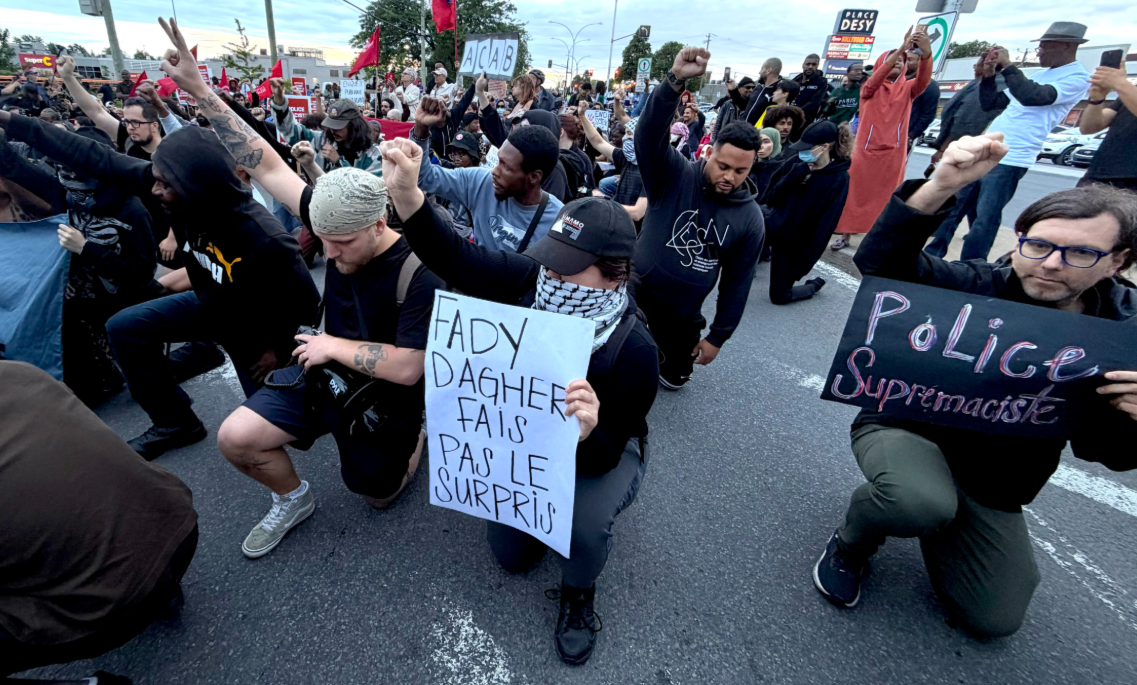
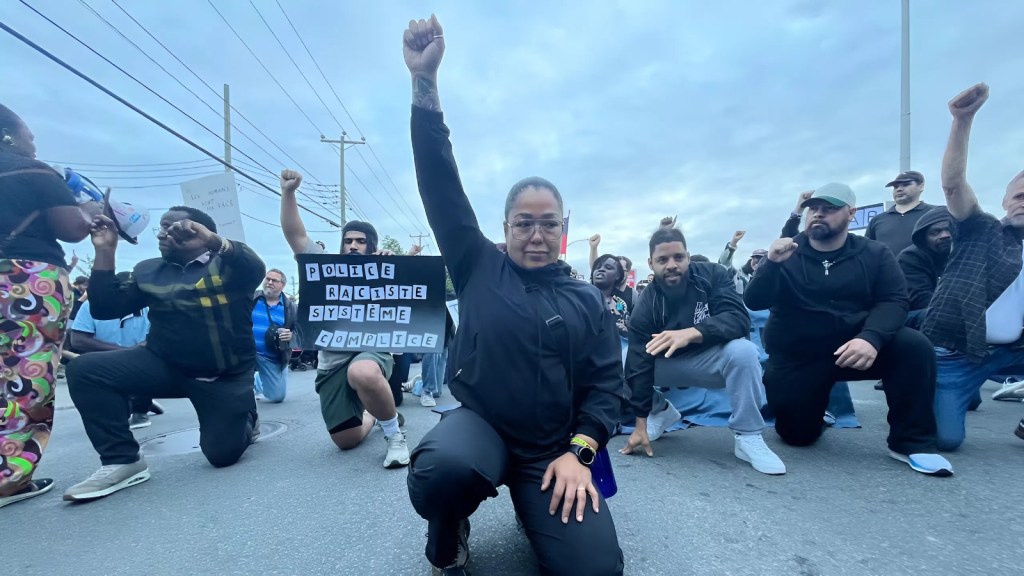
The recent allegations involving members of the Montreal Police Service have ignited anger across the city and prompted public demonstrations demanding accountability. According to reports, two officers have been suspended, fourteen others reassigned, and investigators are examining allegations of racist and discriminatory conduct directed at Black and Arab residents. Among the most disturbing allegations are reports that officers may have treated cut hair from racialized citizens as “trophies,” a claim so dehumanizing that it sounds less like modern policing and more like something pulled from a darker chapter of history.
And yet the anger on the streets is not simply about these allegations.
It is about the feeling that communities have been sounding the alarm for years.
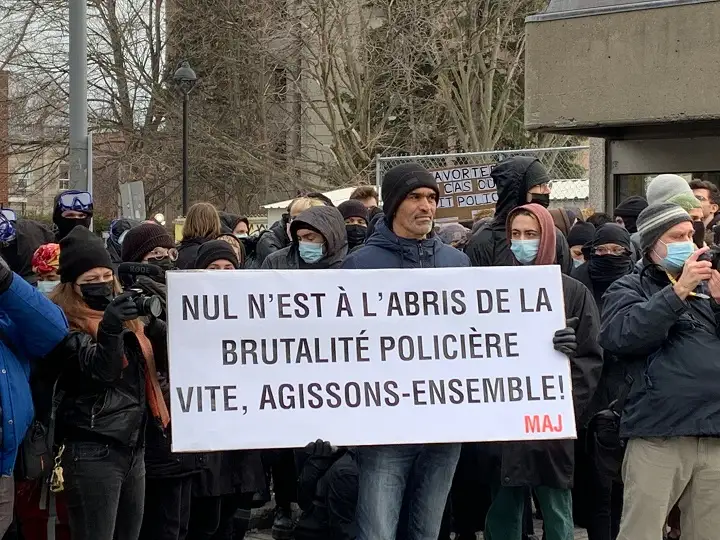
Again and again, residents have reported racial profiling. Again and again, advocates have raised concerns about systemic discrimination. Again and again, officials have promised to listen. Yet here we are once more, watching another scandal unfold while politicians and police leaders assure the public that this time things will be different.
How many times must people protest before their experiences are believed?
How many investigations must occur before accountability becomes the rule rather than the exception?
How many reports, commissions, and press conferences must take place before Black communities are no longer forced to fight for treatment that should already be guaranteed in a democratic society?
The most troubling aspect of this controversy is not merely the conduct alleged. It is the possibility that such behavior could exist within a policing culture without immediate intervention. If even a fraction of these allegations prove true, the public is left asking a terrifying question: What else has gone unseen?
Trust is the currency of policing.
Without trust, communities stop cooperating. Witnesses stop talking. Victims stop reporting crimes. Residents stop believing that the institutions claiming to protect them are actually serving them. And when trust collapses, everyone pays the price.
Montreal officials have acknowledged the seriousness of the allegations. The mayor has called the reports deeply troubling and has renewed calls for expanded body-camera programs. Community organizations are demanding urgent meetings with police leadership and meaningful reforms. Those are important steps. But communities are increasingly tired of symbolic gestures that arrive only after public outrage forces action.
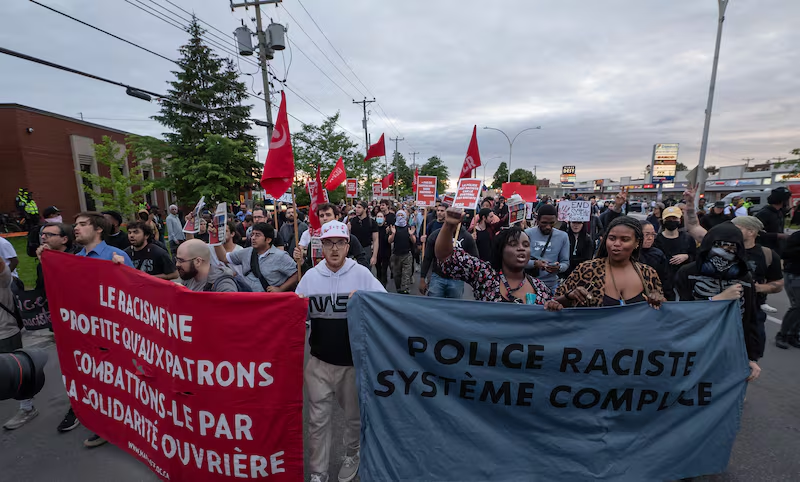
People do not march in the streets because they enjoy confrontation.
They march because they believe ordinary channels have failed them.
They march because complaints disappear into bureaucracy.
They march because accountability feels elusive.
They march because silence has accomplished nothing.
The protests in Montreal are not an attack on law enforcement as a whole. They are a demand that those entrusted with extraordinary authority be held to extraordinary standards. No badge should serve as a shield against scrutiny. No institution should be immune from reform. No community should be expected to tolerate discrimination while waiting years for change.
The phrase “enough is enough” carries power because it signals a breaking point.
Not a request.
Not a suggestion.
A breaking point.
The people filling Montreal’s streets are sending a message that echoes far beyond one city. They are saying that dignity is not negotiable. Accountability is not optional. And justice delayed is justice denied.
The question now is whether those in power are finally prepared to listen.
—Merrick Crosby, B1Daily




Leave a comment