
—Merrick Crosby, B1Daily
WASHINGTON, D.C. — In a city where billion-dollar decisions are often hidden inside thousand-page legislation, one provision tucked deep within Congress’s annual defense bill is suddenly drawing scrutiny from lawmakers, foreign policy analysts, and civil liberties advocates alike.
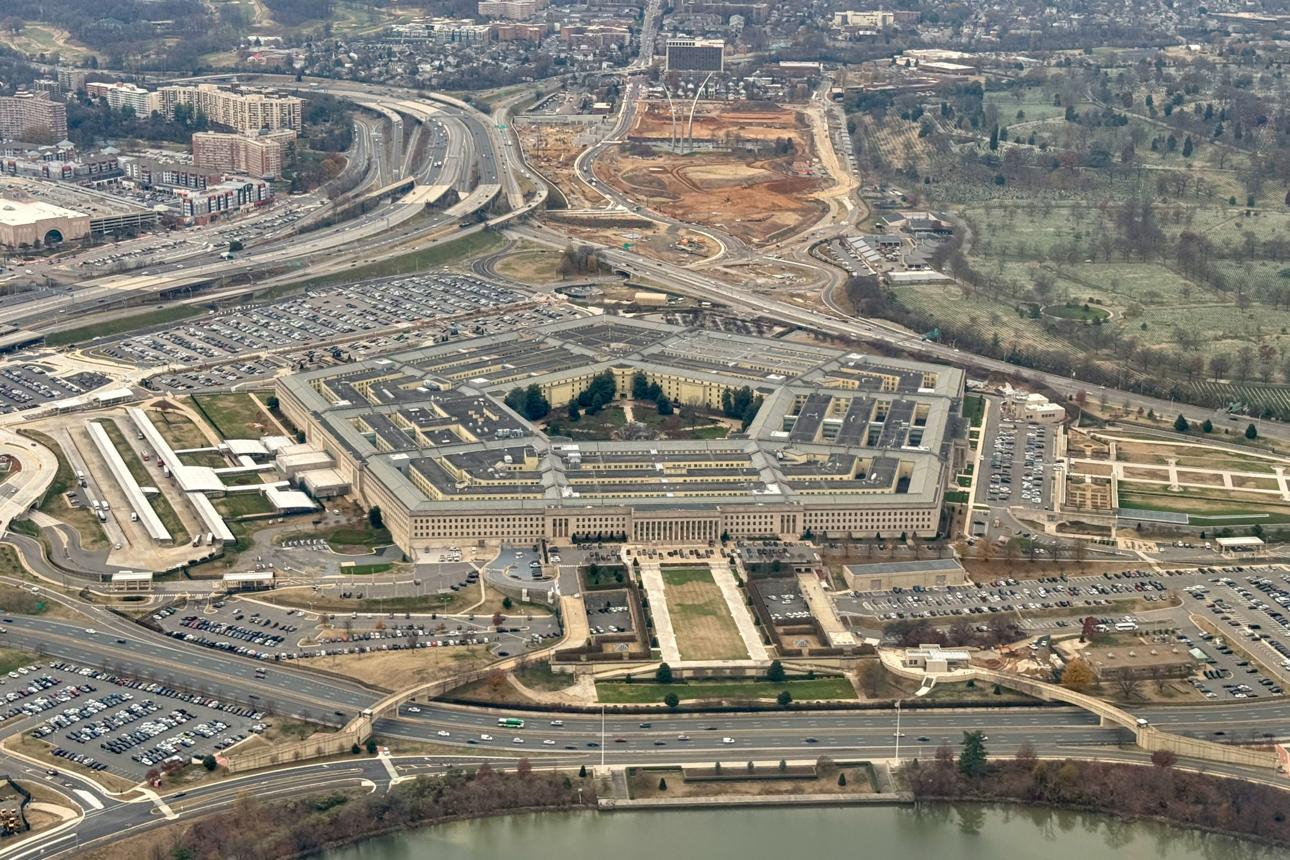
The provision, known as the “United States-Israel Defense Technology Cooperation Initiative,” is contained within the House version of the Fiscal Year 2027 National Defense Authorization Act (NDAA), the massive piece of legislation that sets Pentagon priorities and authorizes defense spending each year. While most public attention has focused on military budgets, recruitment challenges, and growing tensions with China, critics say Congress may be quietly laying the groundwork for something far more significant: a new phase of military integration between the United States and Israel.
The proposal would dramatically expand cooperation between the two countries in areas ranging from weapons development and industrial production to artificial intelligence, cyberwarfare, autonomous systems, quantum technologies, biotechnology, and advanced defense research. Supporters view the measure as a natural evolution of an already close alliance. Opponents see something far more consequential.
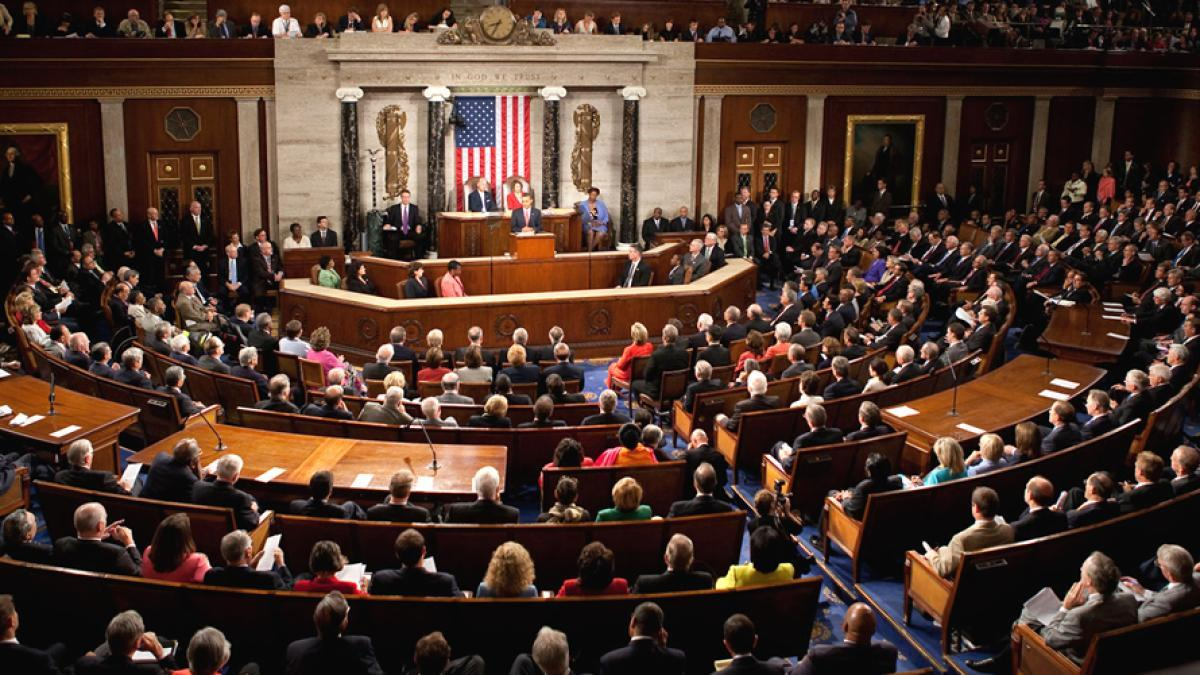
“This isn’t just another aid package,” one congressional staffer familiar with defense policy discussions said privately. “The concern among critics is that we’re moving from supporting an ally to structurally intertwining defense industries, research pipelines, and technological ecosystems in ways that could be difficult to unwind later.”
At the heart of the controversy is Section 224 of the House NDAA. According to analyses of the proposal, it would encourage bilateral research and development projects, joint ventures, co-production agreements, licensing arrangements, technology sharing, and deeper industrial cooperation between American and Israeli defense sectors. Critics argue that if fully implemented, it could create a level of defense-industrial integration that exceeds existing arrangements with many traditional U.S. allies.
The timing is politically sensitive.
Recent polling has shown increasing divisions among Americans regarding U.S. policy toward Israel, particularly following years of conflict in Gaza and broader instability across the Middle East. As public debate intensifies, some lawmakers have questioned whether major changes to the U.S.-Israel relationship should be debated openly rather than embedded within must-pass defense legislation.
Supporters of the initiative argue that Israel remains one of America’s most technologically advanced security partners. They point to decades of successful collaboration on missile defense systems, intelligence sharing, counterterrorism efforts, and defense innovation. From this perspective, expanding cooperation in emerging technologies such as artificial intelligence and cyber defense is a logical response to growing threats from rival powers including China, Russia, and Iran.
Critics, however, worry that deeper integration could blur the distinction between alliance and dependency.
Some foreign policy analysts have expressed concerns that integrating supply chains, defense technologies, and data-sharing frameworks too deeply could reduce congressional oversight while increasing the political difficulty of recalibrating U.S. policy in the future. Others warn that linking critical military technologies across national boundaries inevitably raises questions about security, accountability, and strategic independence.
The debate has also highlighted a familiar Washington dynamic: the immense influence of the NDAA itself. Because the annual defense authorization bill is considered essential legislation, controversial provisions often attract less public attention than standalone bills. Critics argue that significant foreign policy changes deserve independent scrutiny rather than being folded into broader defense packages that are almost guaranteed to advance through Congress.
For now, the proposal remains part of a larger legislative process. The House and Senate must still reconcile their respective versions of the NDAA before any final measure reaches the president’s desk. Yet the controversy surrounding Section 224 has already revealed a deeper debate about the future of American alliances in an era of growing geopolitical competition.
The question confronting Washington is no longer whether the United States and Israel should cooperate. They already do.
The question is how far that cooperation should go before partnership begins to look like integration.
And buried within hundreds of pages of legislative text, Congress may soon provide its answer.
—Merrick Crosby, B1Daily






Leave a comment