—Sylvester Loving, B1Daily
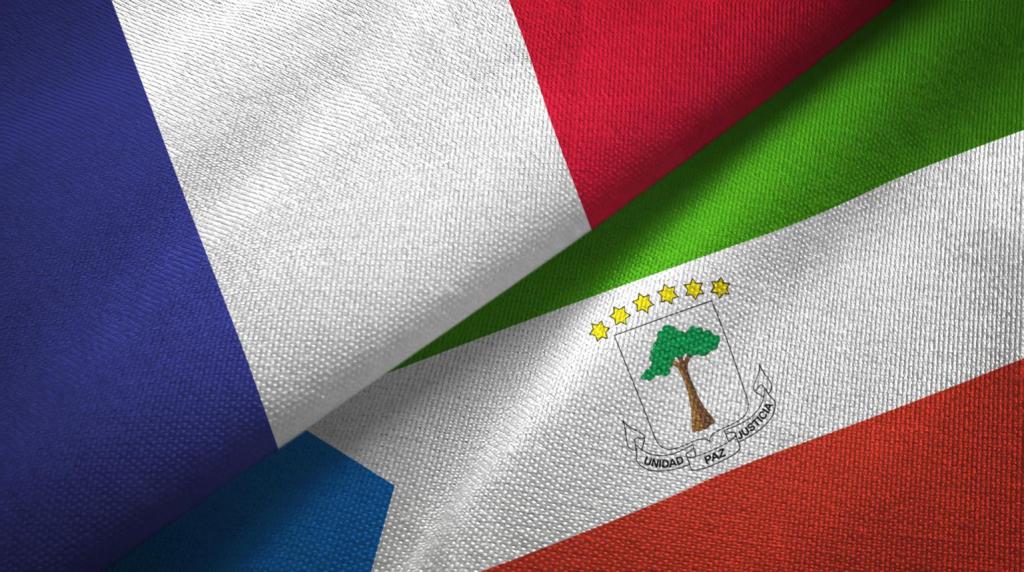
Relations between France and Equatorial Guinea have entered one of their most volatile periods in years after the government in Malabo warned it could break diplomatic relations with Paris over an ongoing legal dispute involving property linked to the country’s ruling family.
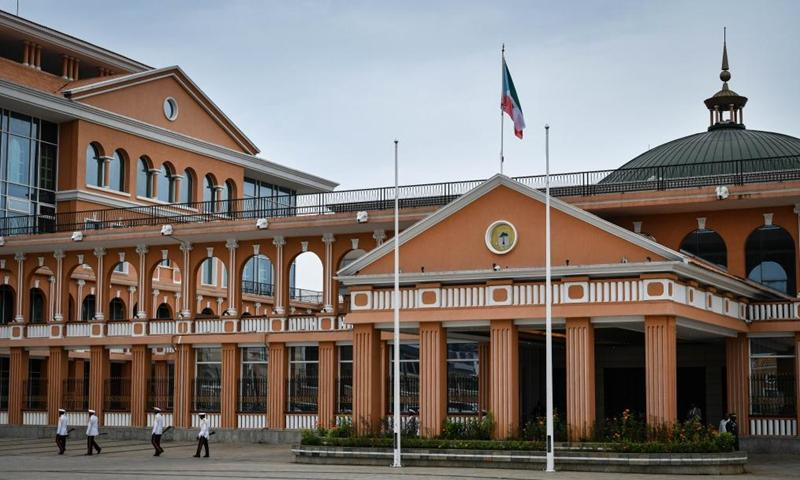
The diplomatic standoff stems from French court proceedings involving luxury real estate and other assets associated with Vice President Teodoro Nguema Obiang Mangue, the son of President Teodoro Obiang Nguema Mbasogo. French authorities have spent years pursuing what they describe as “ill-gotten gains” investigations into wealth allegedly accumulated through corruption, leading to the seizure of high-value properties and other assets located in France.
Equatorial Guinea has repeatedly rejected those allegations, arguing that France is violating international law by targeting property it says enjoys diplomatic protections. Officials in Malabo contend that the actions amount to political interference and an attack on the country’s sovereignty rather than a legitimate anti-corruption campaign.
The latest escalation came after the government warned that if French authorities continue with actions affecting its diplomatic assets, Equatorial Guinea could formally sever diplomatic relations with Paris. Such a move would represent one of the sharpest diplomatic ruptures between France and an African nation in recent years.
A Dispute Years in the Making
The conflict is rooted in France’s long-running effort to prosecute foreign officials accused of laundering public money through luxury purchases in Europe.
French investigators alleged that millions of dollars were spent on mansions, luxury automobiles, artwork, and other high-end assets using funds diverted from Equatorial Guinea’s public treasury. One of the highest-profile assets was an opulent mansion on Avenue Foch in Paris, one of the city’s most prestigious addresses.
French courts ultimately convicted Teodoro Nguema Obiang Mangue of money laundering in absentia and ordered the confiscation of several assets. Equatorial Guinea has consistently rejected the verdict, insisting the proceedings were politically motivated and infringed upon diplomatic immunity.
Sovereignty Versus Accountability
The dispute highlights a broader international debate over how nations should pursue corruption cases involving foreign leaders.
Supporters of France’s approach argue that countries have a responsibility to investigate suspected money laundering and recover assets believed to have been purchased with stolen public funds. Anti-corruption organizations have praised efforts to prevent foreign officials from using Europe as a safe haven for illicit wealth.
Equatorial Guinea, however, argues that France is selectively applying justice while disrespecting internationally recognized diplomatic protections. Government officials maintain that disputes involving sovereign states should be resolved through international legal institutions rather than unilateral enforcement actions.
Growing Strains Between Africa and Former Colonial Powers
The confrontation also reflects changing political dynamics across Africa.
In recent years, several African governments have openly challenged France’s influence on the continent, criticizing what they describe as unequal partnerships rooted in the colonial era. Countries including Mali, Burkina Faso, and Niger have dramatically reduced military and diplomatic cooperation with Paris, while expanding relationships with other international partners.
Although Equatorial Guinea’s dispute centers primarily on legal proceedings rather than military cooperation, the diplomatic language employed by officials reflects a broader trend of African governments asserting greater independence in dealings with former colonial powers.
Economic and Strategic Implications
A complete diplomatic break would carry significant consequences.
France remains an important European partner for trade, investment, education, and financial services. Diplomatic relations also facilitate cooperation on security, immigration, and international legal matters.
For Equatorial Guinea, one of sub-Saharan Africa’s largest oil producers on a per-capita basis, maintaining stable international partnerships remains important as the country seeks to diversify its economy beyond hydrocarbons.
For France, deteriorating relations would represent another setback in its already strained engagement with parts of Africa, where geopolitical competition from China, Russia, Turkey, and Gulf states has intensified.
An Uncertain Road Ahead
Whether the current dispute results in an actual break in diplomatic relations remains uncertain. Diplomatic threats are often used to increase leverage during negotiations, and both governments retain strong incentives to avoid a complete rupture.
Nevertheless, the confrontation underscores how anti-corruption enforcement, diplomatic immunity, and questions of national sovereignty increasingly intersect in international politics.
As legal battles continue in French courts, the dispute has evolved beyond a single property case. It has become a test of how far nations are willing to go in defending their judicial systems, protecting diplomatic privileges, and redefining relationships shaped by decades of colonial history.
If neither side backs down, the standoff between France and Equatorial Guinea could become another symbol of the rapidly changing political landscape between Europe and Africa.
—Sylvester Loving, B1Daily





Leave a comment