—Matt Gwinta, B1Daily
South Africa is once again confronting one of its most persistent and painful challenges: the collision of economic hardship, immigration, and public anger.
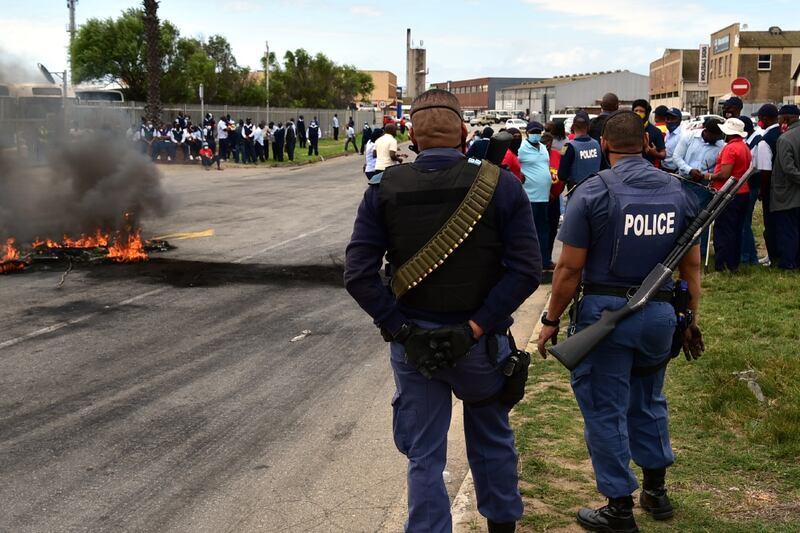
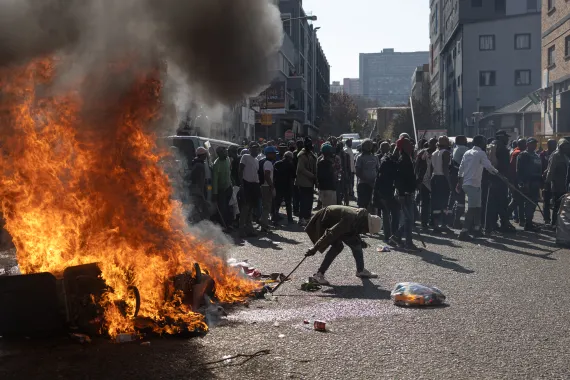
More than 900 people were arrested during nationwide anti-migrant protests after demonstrations spread across multiple provinces, forcing police and security forces to intervene in several locations. While many of the marches remained peaceful, authorities reported arrests for immigration violations, public violence, looting, robbery, and other criminal offenses as isolated outbreaks of violence erupted during the demonstrations.
The protests did not emerge overnight.
For years, many South Africans have voiced frustration over persistently high unemployment, rising living costs, inadequate public services, and violent crime. Some protest groups argue that undocumented immigration has intensified these problems by increasing competition for jobs, housing, and government resources. These frustrations have fueled movements demanding stricter immigration enforcement and the removal of undocumented migrants.
Critics of those demonstrations, however, argue that migrants have increasingly become convenient scapegoats for structural problems that long predate recent migration trends. Economists and researchers have repeatedly noted that South Africa’s unemployment crisis, economic inequality, electricity shortages, corruption scandals, and sluggish economic growth stem from a complex mix of historical and policy challenges rather than immigration alone.
The latest demonstrations were organized after activist groups issued deadlines calling for undocumented migrants to leave South Africa. Although many gatherings proceeded peacefully, several areas experienced looting, attacks on migrant-owned businesses, and violent confrontations. Authorities deployed additional police officers and soldiers to restore order in affected communities. At least one person was killed during looting in Johannesburg, while other violent incidents were reported elsewhere in the country.
The unrest reflects a pattern that has periodically surfaced throughout South Africa’s post-apartheid history.
Major outbreaks of xenophobic violence occurred in 2008, 2015, and 2019, resulting in deaths, displacement, and widespread destruction of businesses owned by immigrants from Zimbabwe, Mozambique, Somalia, Ethiopia, Nigeria, Malawi, and other African nations. Each episode has renewed difficult questions about national identity, economic opportunity, and the government’s ability to address growing public frustration without allowing violence against vulnerable communities.
Many migrants living in South Africa say they came seeking safety, employment, or refuge from instability in neighboring countries. Some have lived in South Africa for decades, raising families and operating small businesses that serve local communities. As tensions escalated this week, reports described foreign nationals fleeing neighborhoods, seeking shelter, or returning to their home countries out of fear for their safety.
The South African government has sought to strike a difficult balance. Officials have acknowledged the importance of enforcing immigration laws while emphasizing that private citizens cannot take immigration enforcement into their own hands. Authorities have warned that acts of violence, intimidation, and vigilantism will be investigated and prosecuted regardless of the immigration status of those involved.
Human rights organizations have expressed concern that xenophobic rhetoric could inflame tensions further. They argue that blaming migrants for complex economic challenges risks diverting attention from longstanding issues such as unemployment, corruption, infrastructure failures, and unequal economic development. At the same time, many South Africans continue to demand more effective border security and stronger enforcement against illegal immigration, illustrating how emotionally charged and politically divisive the issue has become.
The events unfolding across South Africa demonstrate that immigration debates rarely exist in isolation. They often become intertwined with broader anxieties about jobs, public safety, housing, and economic opportunity. As arrests continue and investigations move forward, the challenge facing South African leaders will be restoring public order while addressing the underlying economic conditions that have fueled public frustration for years.
Whether the country can reduce those tensions without repeating the cycles of xenophobic violence seen in previous years may become one of the defining tests of South Africa’s democracy and social stability in the years ahead.
—Matt Gwinta, B1Daily




Leave a comment