—Matt Gwinta, B1Daily
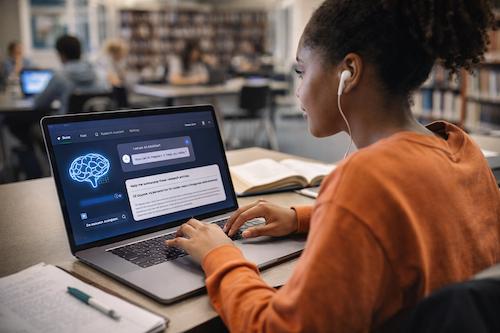
Artificial intelligence has moved from science fiction to the front of the classroom. Students now use AI-powered tutoring tools, writing assistants, language translators, study guides, and personalized learning platforms to complete assignments and prepare for exams. Teachers are using AI to create lesson plans, provide feedback, and identify students who may need additional support.
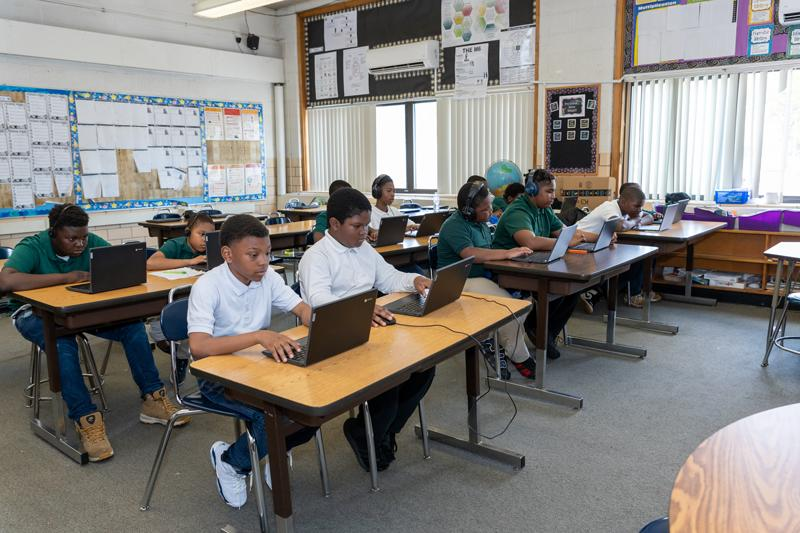
For Black students, however, the rise of AI in education presents a more complex question: Will this technology help level the playing field, or will it reinforce existing inequalities?
The answer depends less on the technology itself and more on how schools, educators, and policymakers choose to implement it.
A New Learning Partner
AI has the potential to transform education in powerful ways.
Unlike a traditional classroom where one teacher may be responsible for dozens of students, AI-powered learning tools can provide individualized support around the clock. Students struggling with algebra can receive step-by-step explanations. Emerging writers can get feedback on organization and grammar. English learners can access translations and language assistance instantly.
For students attending under-resourced schools, AI can supplement learning by providing academic support that might otherwise be unavailable.
Research also suggests that AI can help teachers identify learning gaps earlier, allowing interventions before students fall significantly behind.
Closing Opportunity Gaps
Educational inequities have long affected many Black communities through disparities in school funding, access to advanced coursework, experienced teachers, technology, and extracurricular opportunities.
When implemented thoughtfully, AI could help reduce some of these disparities by making high-quality educational resources more widely available.
Students in rural communities or schools with limited course offerings may gain access to advanced tutoring, college preparation tools, coding instruction, and career exploration that were previously out of reach.
Rather than replacing teachers, AI has the potential to expand what educators can offer.
The Risk of Algorithmic Bias
The promise of AI comes with legitimate concerns.
Researchers have documented that some AI systems can reflect biases present in the data used to train them. In educational settings, biased algorithms could potentially influence grading, discipline recommendations, admissions screening, or academic assessments if not carefully designed and monitored.
These concerns are especially important for Black students, who have historically experienced disparities in school discipline and educational opportunities.
Experts argue that AI systems used in schools should be transparent, regularly audited for fairness, and developed using diverse datasets that reduce the likelihood of discriminatory outcomes.
The Digital Divide Still Exists
Technology only creates opportunity when students can access it.
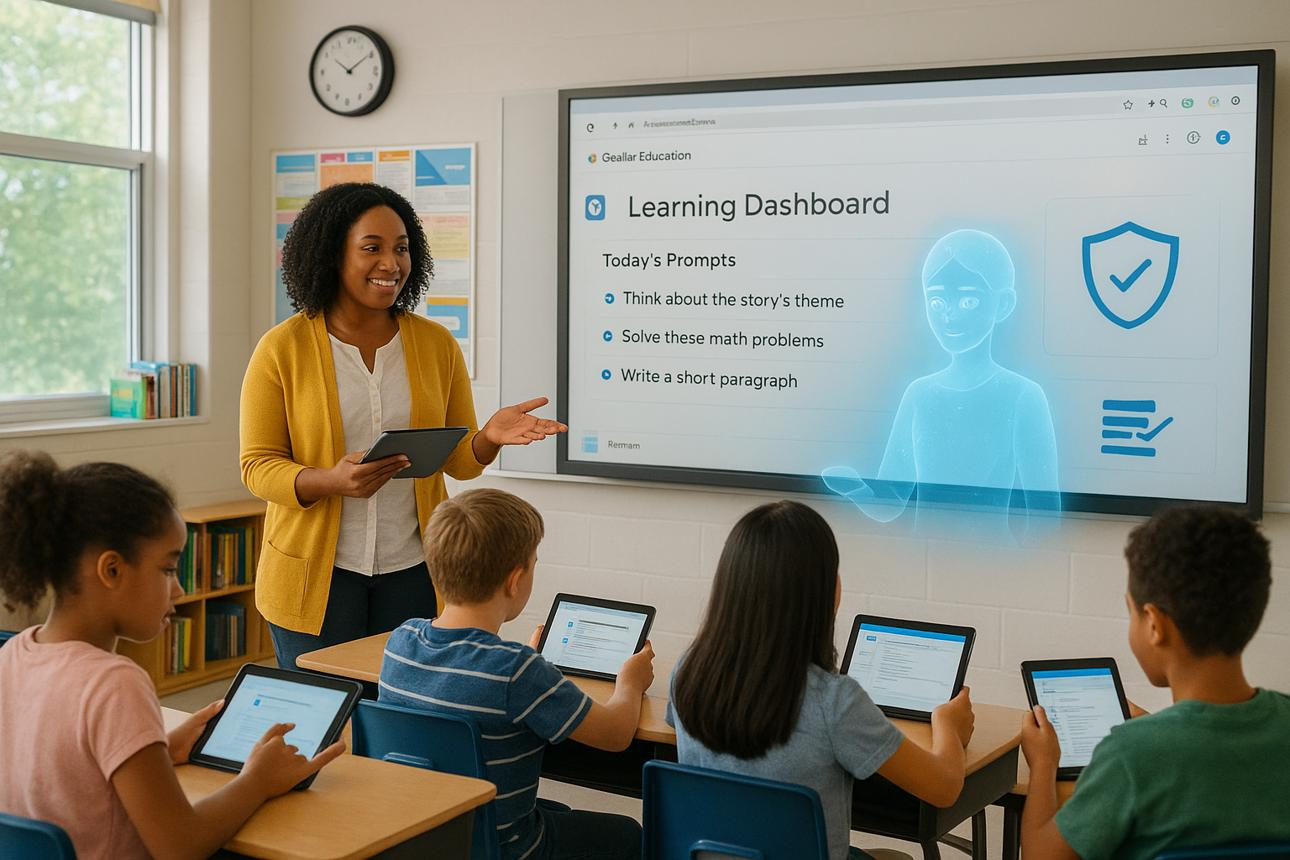
Although internet connectivity has improved dramatically over the past decade, disparities remain. Some families continue to lack reliable broadband, modern devices, or quiet spaces for online learning.
If AI becomes central to education without addressing these access gaps, students who already face technological barriers could fall even further behind.
Bridging the digital divide remains essential if AI is to benefit all students equally.
Teachers Still Matter
One misconception about AI is that it will replace teachers.
Most education experts see the opposite.
Teachers provide mentorship, emotional support, classroom management, cultural understanding, and encouragement that no computer can replicate.
The most effective classrooms of the future are likely to combine skilled educators with AI tools that reduce administrative work and create more time for meaningful student interaction.
Relationships remain at the heart of learning.
Preparing Students for an AI Economy
Whether students pursue college, entrepreneurship, skilled trades, healthcare, or technology careers, AI literacy is becoming increasingly valuable.
Learning how to use AI responsibly, evaluate AI-generated information, protect personal data, and think critically about technology may become just as important as traditional computer literacy.
For Black students, gaining these skills early could improve competitiveness in industries increasingly shaped by automation and artificial intelligence.
Access to AI education today may influence career opportunities tomorrow.
Artificial intelligence is not a magic solution for education, nor is it an unavoidable threat.
Its impact will depend on the choices made by educators, school leaders, technology companies, and lawmakers.
If implemented responsibly, AI can expand educational opportunity, personalize instruction, and help prepare Black students for a rapidly changing workforce.
If implemented carelessly, it risks reinforcing existing inequities and creating new barriers to success.
The challenge is not deciding whether AI belongs in the classroom. It is ensuring that every student, regardless of race or zip code, has an equal opportunity to benefit from it.
—Matt Gwinta, B1Daily






Leave a comment