—Vanessa Edwards, B1Daily
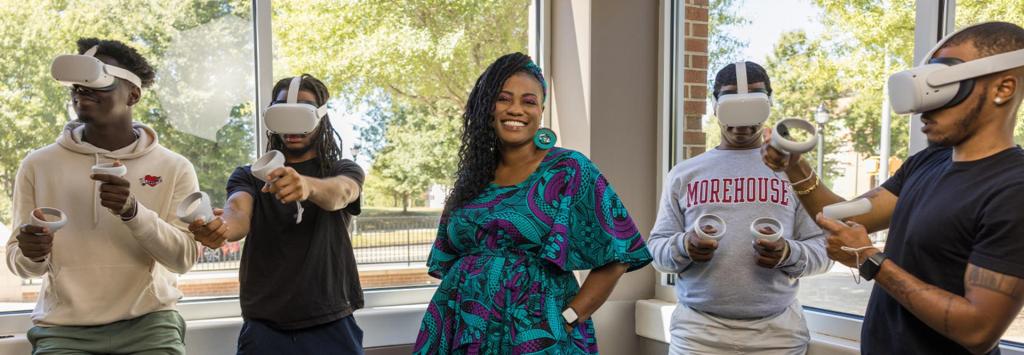
Higher education has traditionally been built around lecture halls, textbooks, and physical campuses. But Morehouse College is helping rewrite that formula by exploring how virtual reality (VR) and the metaverse can transform the classroom experience.
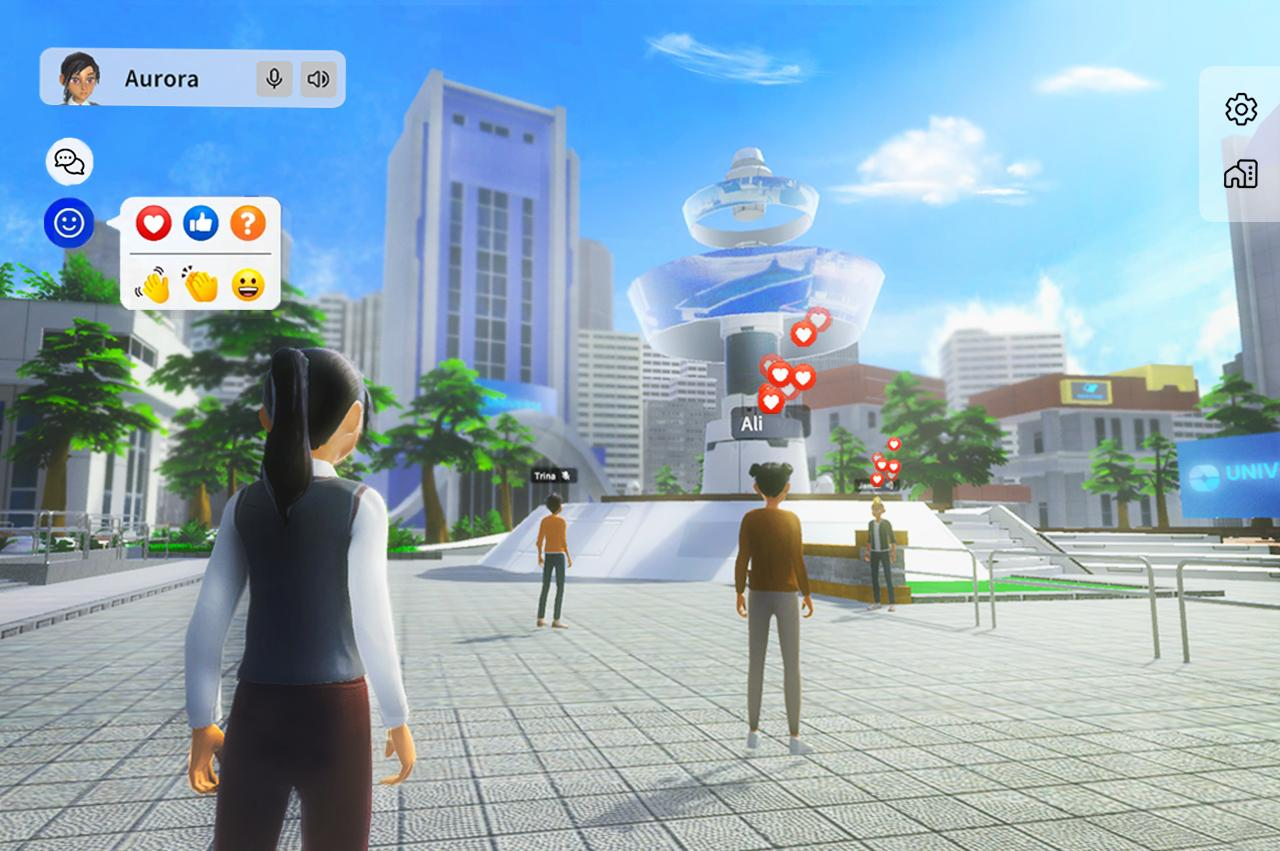
The Atlanta-based historically Black college has become one of the most recognized institutions experimenting with immersive education, allowing students to participate in courses through VR headsets and virtual environments. Instead of simply watching a professor on a screen, students can enter digital classrooms where lessons feel more interactive, visual, and engaging.
The experiment represents a major shift in how colleges think about distance learning. Rather than treating online education as a replacement for the traditional classroom, Morehouse is exploring whether technology can create a new type of campus experience.
The Virtual Classroom Experience
Through VR technology, students can attend classes inside a digital version of campus spaces. Wearing headsets, students can interact with professors, classmates, and educational materials in a shared virtual environment.
A history student could explore ancient locations through immersive simulations. A science student could examine complex concepts through three-dimensional models. A medical student could practice scenarios in virtual environments that replicate real-world situations.
The goal is to make learning more experiential rather than passive.
Traditional online education often requires students to sit in front of a computer and absorb information through videos and readings. VR education attempts to turn students from observers into active participants.
Expanding Access to Higher Education
One of the biggest promises of metaverse-based education is increased accessibility.
Students who cannot always be physically present on campus because of work, financial challenges, geographic distance, or personal responsibilities could still experience a stronger connection to their institution.
For historically Black colleges and universities (HBCUs), technology could create new opportunities to reach students worldwide while preserving the sense of community that has always defined these institutions.
Morehouse’s approach shows how HBCUs can become leaders in educational innovation rather than simply adopting technology created elsewhere.
A New Tool for HBCUs
The development of virtual classrooms has particular significance for HBCUs, which have historically served students who were often overlooked by traditional systems of higher education.
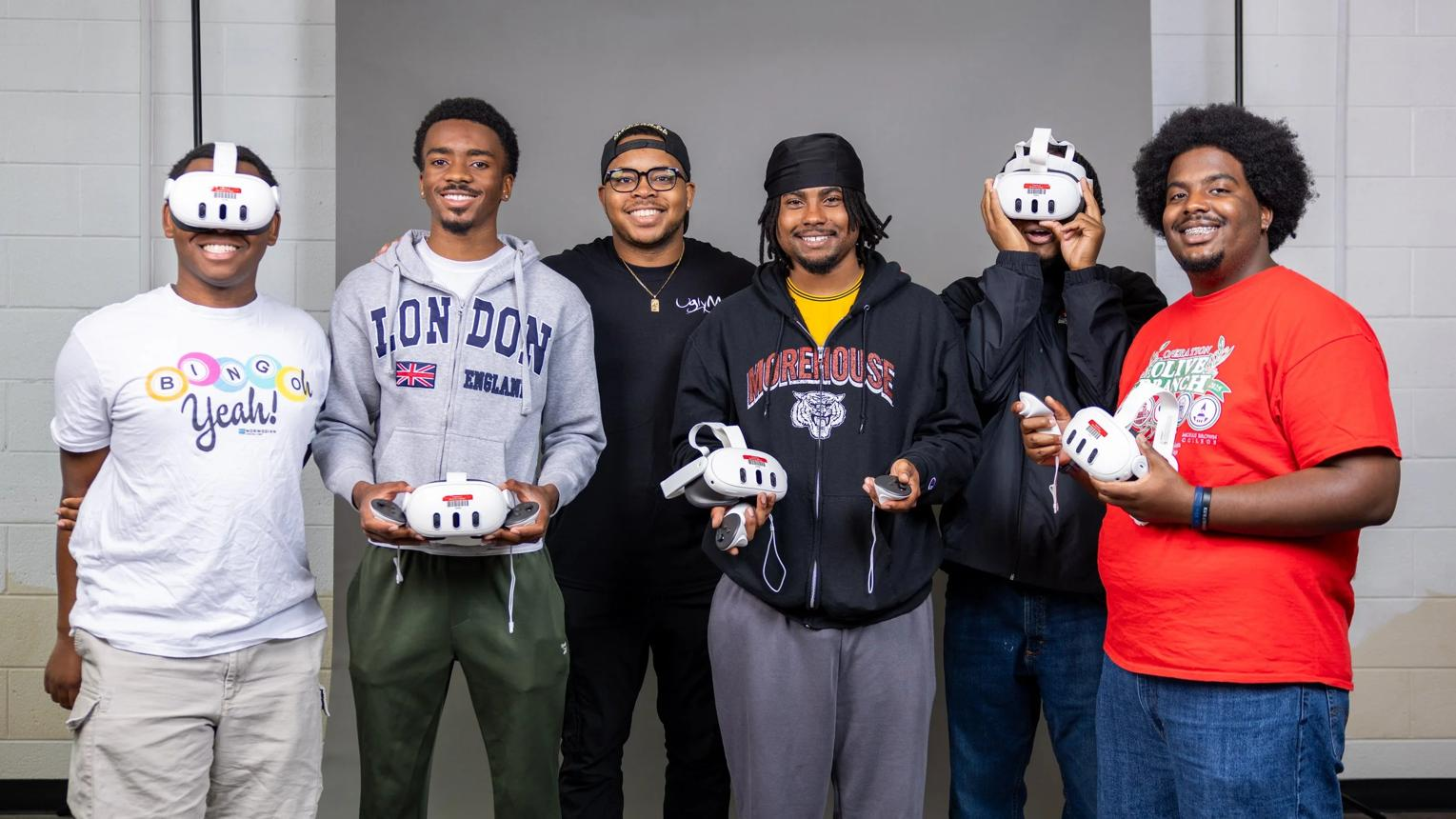
By embracing emerging technology, Morehouse is demonstrating that Black institutions can be at the forefront of innovation in fields like artificial intelligence, virtual reality, digital media, and future workforce development.
The project also raises important questions about the future of college itself.
If students can attend immersive classes from anywhere in the world, universities may eventually rethink the relationship between physical campuses and digital spaces.
Challenges Behind the Technology
Despite its promise, VR education still faces obstacles.
High-quality VR headsets remain expensive for many students. Reliable internet access is not equally available everywhere. Some students may experience discomfort or fatigue while using VR technology for extended periods.
There are also concerns about maintaining human connection in digital environments. College is not only about coursework; it is also about friendships, networking, campus traditions, and personal growth.
Technology may enhance education, but it cannot fully replace the importance of real-world relationships.
The Future of Learning
Morehouse’s experiment with VR and the metaverse represents a glimpse into what higher education could become. The classroom of the future may not be limited by four walls, a building, or even a physical campus.
Instead, students may step into digital worlds where they can collaborate, explore, and learn in ways that were impossible only a few years ago.
As artificial intelligence and immersive technology continue advancing, institutions like Morehouse are showing that the future of education will not simply be about bringing classrooms online. It will be about creating entirely new ways for people to experience knowledge.
For Morehouse, the mission remains the same: educating and empowering students. The difference is that tomorrow’s classroom may exist not only on campus, but also inside a virtual world waiting to be explored.
—Vanessa Edwards, B1Daily






Leave a comment