
—Julia Merrill, B1Daily
Small business owners are expected to deliver fast, consistent support while running lean teams and handling constant day-to-day demands. The tension is clear: customers want quick answers and personal attention, but manual follow-ups, scheduling, and documentation eat up hours and introduce mistakes.

Artificial intelligence impact is showing up most sharply in service delivery transformation, where routine work can be handled more reliably and staff time can shift to higher-value conversations. With the right focus, automation benefits and customer experience enhancement can be within reach without a big team or budget.
How AI Service Tools Create Real Advantage
AI-powered service tools are practical helpers that take on repeatable support work and surface useful patterns from your customer data. They turn the “what” of AI into three outcomes: faster handling of routine requests, more tailored interactions, and clearer decisions based on what customers actually do.
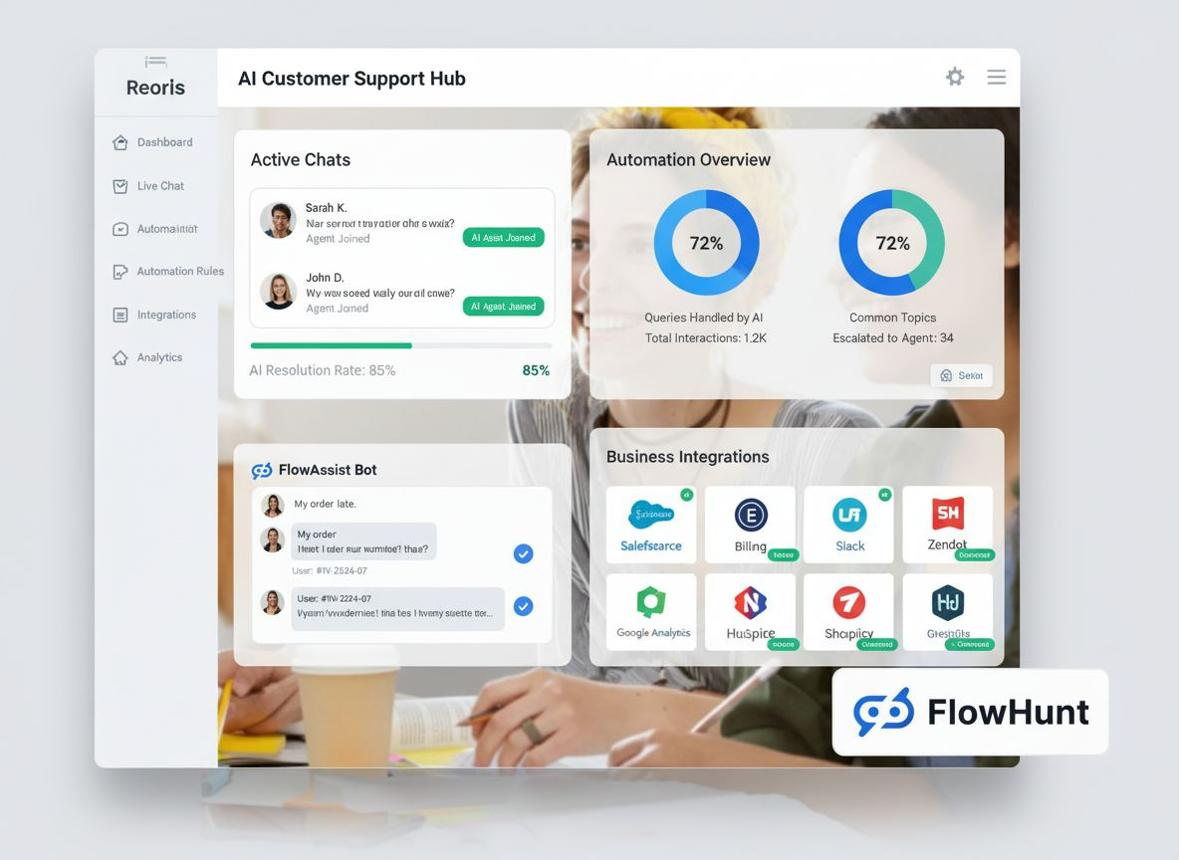
This matters because speed and consistency are hard to maintain with a lean team. When service runs smoothly, staff can focus on empathy, exceptions, and retention. It also explains why 58% of small businesses are already using generative AI tools.
Picture a busy shop answering the same questions all day. An AI assistant handles order updates and FAQs, while notes from past purchases help suggest the right add-on. Over time, trends from tickets and reviews guide staffing, policies, and product fixes. A few computer science basics help you pick tools, set guardrails, and lower adoption risk.
Build Core Tech Skills to Choose AI Tools With Confidence
The real advantage of AI service tools grows when you understand what’s happening under the hood well enough to make smart choices. Earning a computer science degree can give small business owners and teams a solid foundation in how AI systems work, from core algorithms to the way data is collected, stored, and used. That baseline makes it easier to evaluate AI tools against your actual operational goals, ask better questions during implementation, and spot where a system may be misaligned with your needs.

It also helps you optimize what you adopt over time, because you’re not just relying on vendor promises; you can reason about inputs, outputs, and data management tradeoffs. If you want a path that’s realistic alongside day-to-day responsibilities, an online program can make it easier to learn while you work. If that’s relevant, you can catch up here on what that kind of degree typically covers.
Plan → Pilot → Protect → Scale
To keep AI adoption steady, use a simple operating rhythm. It helps you choose the right service use cases, test them without disruption, and build habits that protect customers while improving speed and consistency. This matters because AI tools are becoming common across industries, and 88% of companies report using AI in at least one business function.
| Stage | Action | Goal |
| Prioritize | List top service bottlenecks and pick one measurable use case | One clear problem worth solving first |
| Prepare | Check data quality, access, and bias risks | Inputs you can trust and explain |
| Pilot | Run a small test with one team and one channel | Proof it helps without harming service |
| Guardrail | Set privacy rules, review outputs, add human approval | Safer decisions and fewer customer surprises |
| Integrate | Update SOPs, handoffs, and escalation paths | AI fits daily operations consistently |
| Upskill | Train staff weekly on prompts, edge cases, and fixes | Confident usage and better judgment over time |
Each loop should end with a short review of metrics, exceptions, and customer feedback. Then adjust the use case, the data, or the guardrails before you expand to the next workflow. Start with one small win, then repeat the cycle.
AI Service FAQs Small Businesses Ask First
Q: What if AI gives the wrong answer to a customer?
A: Treat AI as a draft, not a decision maker. Use approval for refunds, policy changes, and anything that affects safety or money. Add a simple “verify before send” checklist and an easy handoff to a human when confidence is low.
Q: How can we use AI without risking customer data privacy?
A: Start by limiting what you share: avoid pasting full records, payment details, or sensitive notes into tools. Choose platforms with clear data controls, log access, and define who can use what. Many teams hesitate for good reason, and data privacy concerns are a common blocker.
Q: Can AI replace my service team?
A: It is better used to reduce repetitive work than to remove people. AI-powered conversational chatbots can handle common questions so staff can focus on complex, emotional, or high value cases.
Q: When should we tell customers we are using AI?
A: Tell them when AI interacts directly with them or influences an outcome. Use plain language, explain the benefit, and give an easy way to reach a person.
Q: How do we prevent biased or unfair responses?
A: Test with real scenarios across different customer types and watch for uneven outcomes. Keep a short list of “must not do” rules and review edge cases weekly.
Take One Strategic AI Step to Strengthen Service and Growth
Small businesses face a real tension: customers expect fast, consistent help while time, staffing, and budgets stay tight. A steady path forward is strategic AI usage, starting small, setting clear boundaries for privacy and quality, and keeping humans accountable for the final experience. Applied this way, AI becomes a growth enabler that improves efficiency, supports small business innovation, and builds trust through more reliable service. Use AI to reduce friction, not replace judgment.
—Julia Merrill, is a retired board certified nurse practitioner and a contributor to B1Daily News






Leave a comment