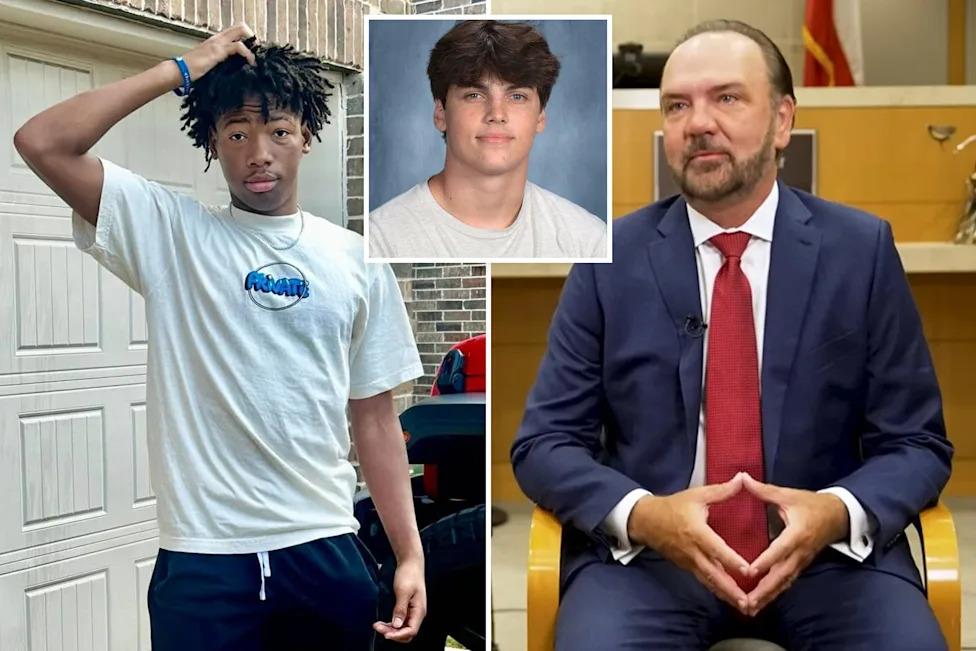
—Kerry Hill, B1Daily
The Karmelo Anthony case has taken another dramatic turn. This time, the person being removed from the courtroom isn’t the defendant.
Judge John Roach Jr., who presided over Anthony’s murder trial and conviction, has been recused from further proceedings after another Texas judge concluded that Roach’s public comments created a reasonable basis to question his impartiality.
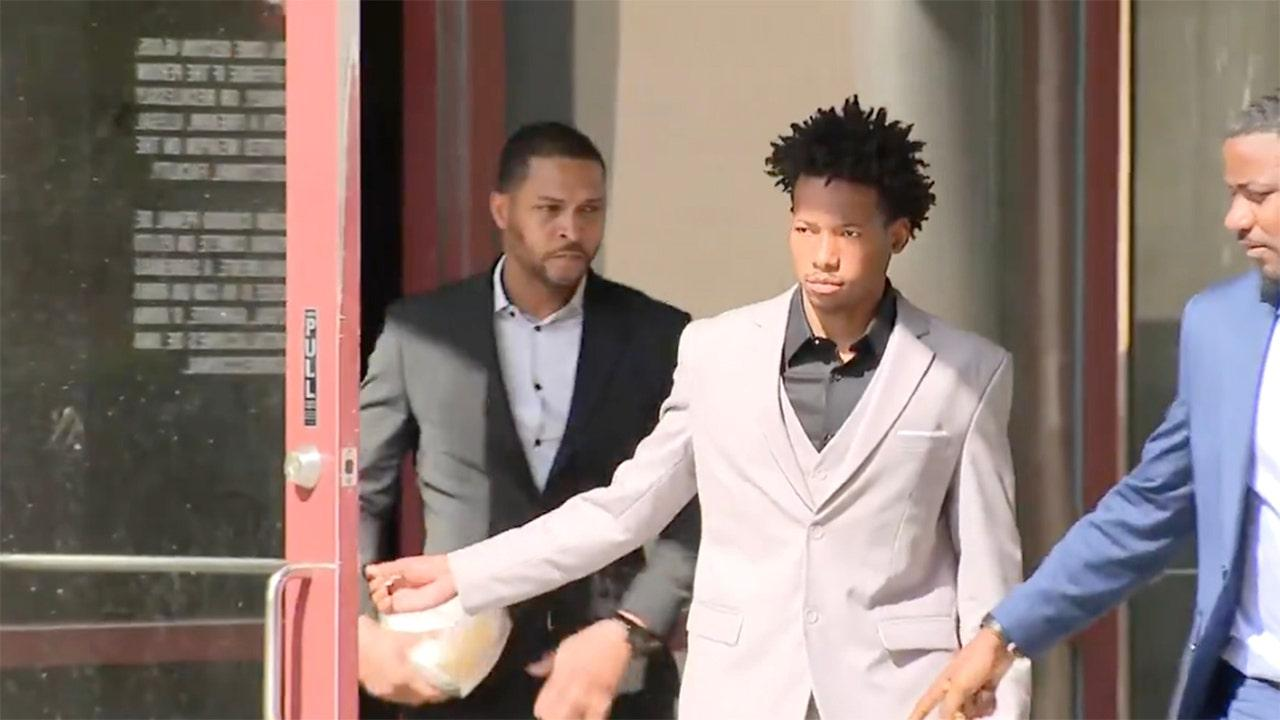
That distinction matters. Visiting Judge Sid Harle did not find that Roach had actually acted with bias or violated judicial conduct rules. In fact, Harle said he believed Roach could remain fair. But judicial ethics are concerned with more than what a judge privately believes. Courts must also maintain the appearance of impartiality. Harle concluded that a reasonable outside observer could question Roach’s neutrality after his public remarks about the verdict.
And that is precisely why the recusal is significant.
The Interview That Came Back to Haunt the Judge
Anthony was convicted of murder in June 2026 for the fatal stabbing of 17-year-old Austin Metcalf during an April 2025 high-school track meet in Frisco, Texas. A jury rejected Anthony’s self-defense argument, and he received a 35-year prison sentence.
But after the trial, Roach did something judges handling controversial cases should approach with extraordinary caution: he publicly discussed the outcome.
During a television interview, Roach was asked whether the jury had reached the correct decision. He responded that the jurors had “got it right.” Anthony’s new attorneys seized upon that statement when asking for Roach’s removal from the post-trial proceedings.
The problem is obvious.
Anthony’s attorneys are currently asking the court for a new trial. Their motion alleges constitutional and procedural problems with the original proceedings, including restrictions on courtroom access and other disputed trial decisions.
How could the judge who publicly endorsed the jury’s result then be expected to sit in judgment over arguments that the proceedings producing that result were fundamentally flawed?
That was the appearance problem confronting the court.
Recusal Is Not Proof of Actual Bias
There is an important legal line that shouldn’t be blurred.
Roach’s removal does not establish that he intentionally discriminated against Anthony, deliberately manipulated the trial, or secretly wanted him convicted.
Judge Harle expressly stopped short of making such findings.
Instead, the issue was whether Roach’s conduct created an appearance of partiality sufficient to require another judge to handle the remaining proceedings. Harle ultimately determined that it did.
That standard protects defendants and judges alike.
The justice system cannot demand that the public trust judicial decisions while simultaneously allowing reasonable questions about whether the person making those decisions has already made up his mind.
Anthony’s Defense Has Won an Important Battle
The ruling does not erase Anthony’s conviction.
It does not declare him innocent.
And it does not automatically grant him another trial.
But it gives his attorneys something critically important: a different judge will evaluate their challenge to the original proceedings.
Judge Michael Chitty has taken over the next stage and will consider Anthony’s effort to obtain a new trial.
That means the defense’s allegations concerning the original proceedings will no longer be evaluated by the very judge whose actions and decisions are part of the controversy.
For Anthony’s attorneys, that is a substantial procedural victory.
A Judge’s Words Carry Extraordinary Weight
There is a broader lesson here that extends beyond Karmelo Anthony.
Judges occupy an unusual position in American society. Prosecutors can argue aggressively. Defense attorneys can publicly advocate for their clients. Commentators can tear verdicts apart on television.
A judge is different.
The black robe represents neutrality.
That’s why public comments from judges about cases they may still have to oversee can create serious problems. A few sentences outside the courthouse can cast a long shadow back across the bench.
Roach may have believed he was simply explaining the judicial process and respecting the jury’s decision. But once Anthony challenged the fairness of that very process, those remarks became ammunition for the defense.
And now they have consequences.
The Case Isn’t Finished
Anthony remains convicted and is serving his sentence while his attorneys pursue post-trial relief. The next major question is considerably larger than who occupies the judge’s chair:
Will Anthony actually receive a new trial?
The recusal ruling doesn’t answer that question. It simply ensures that someone other than Roach will answer it.
Whatever one believes about Anthony’s guilt, Metcalf’s death, or the jury’s verdict, that separation matters. The credibility of a court depends not merely on judges believing themselves to be impartial, but on litigants and the public having legitimate reasons to believe the same.
Judge Harle’s ruling therefore shouldn’t be exaggerated into a finding of proven judicial misconduct.
But neither should it be dismissed as meaningless procedure.
When a judge publicly endorses a verdict and is subsequently asked to determine whether the proceedings producing that verdict were unfair, stepping aside protects something larger than either side of the case: confidence that justice is being decided
—Kerry Hill, B1Daily



Leave a comment