—Matt Gwinta, B1Daily
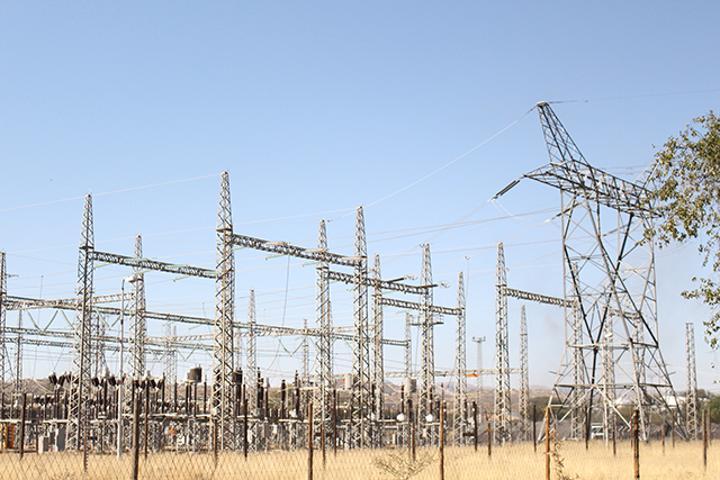
Namibia could take an important step toward becoming not only a major supplier of uranium but eventually a producer of nuclear-generated electricity, as the United States signals interest in supporting the country’s civil nuclear ambitions.
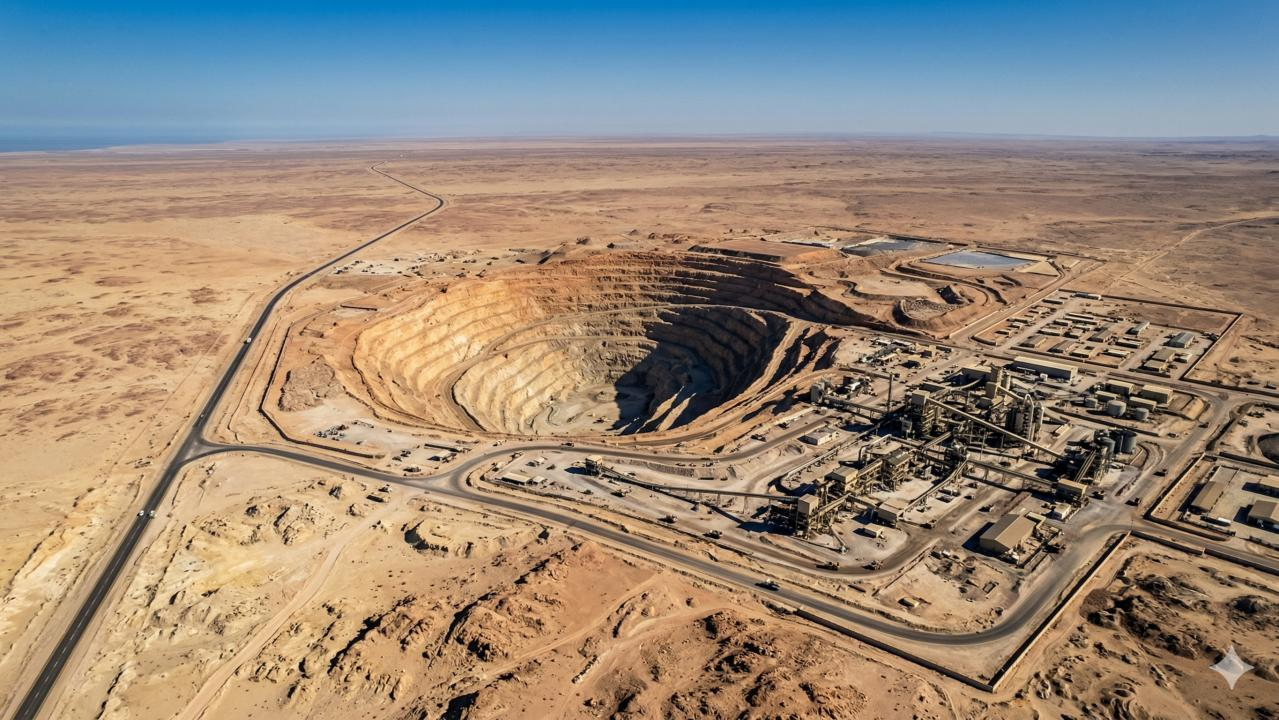
A senior U.S. delegation recently held talks with Namibian government officials, state-owned enterprises and energy and mining companies. Discussions included the possible future use of American small modular reactors (SMRs) and microreactors to help meet Namibia’s growing electricity needs. No agreement to actually deploy reactors has been announced, meaning the discussions remain exploratory.
The possibility is particularly significant because Namibia is the world’s third-largest uranium producer. Yet the country’s ambitions extend beyond simply extracting resources for foreign markets. Namibia wants greater domestic electricity generation to support mining, industrialization and broader economic development. U.S. officials also discussed strengthening the country’s electrical grid and increasing local processing of critical minerals.
That could make nuclear power part of a much larger economic strategy. Instead of remaining primarily an exporter of raw uranium, Namibia could potentially use its mineral wealth alongside new energy infrastructure to support domestic industries and greater value-added production.
The talks also reveal Namibia’s growing strategic importance to Washington. The American delegation discussed uranium, critical minerals, infrastructure, electricity generation and Namibia’s emerging offshore oil and gas industry, reflecting a broader U.S. push for deeper commercial and energy ties with the country.
For Namibia, the opportunity comes with an important challenge: foreign investment and technology will be most valuable if they create local skills, jobs, energy security and industrial capacity, rather than simply opening another route for extracting African resources.
If Namibia can turn its uranium reserves into leverage for domestic energy development and industrialization, the country could transform its position in the global nuclear economy from merely supplying the fuel to eventually harnessing the power itself.
—Matt Gwinta, B1Daily





Leave a comment