
—Kerry Hill, B1Daily
Sometimes doing the right thing doesn’t require another commission, another ceremony or another carefully worded speech.
Sometimes it requires somebody simply saying: These people were wronged. Let’s help them.
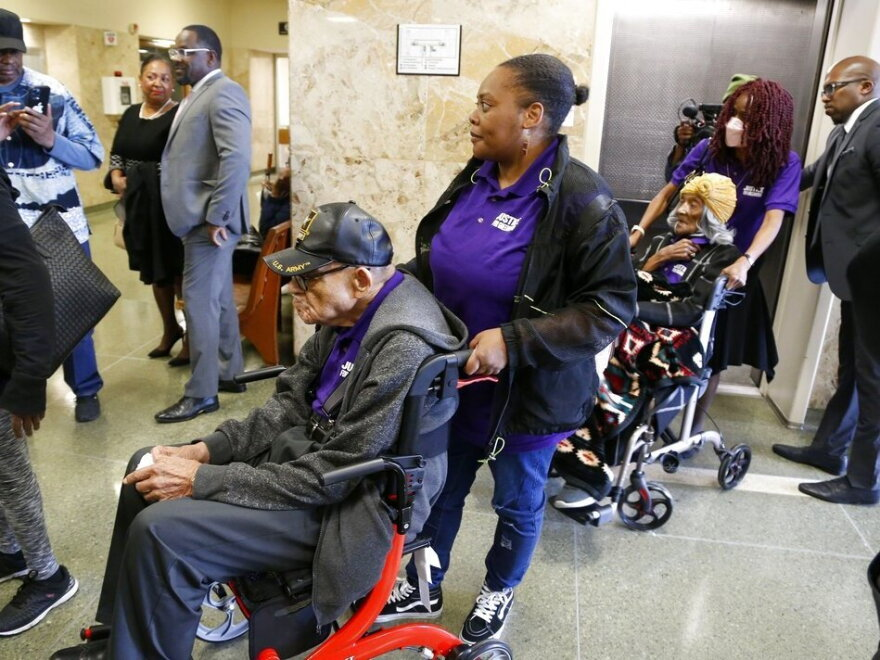
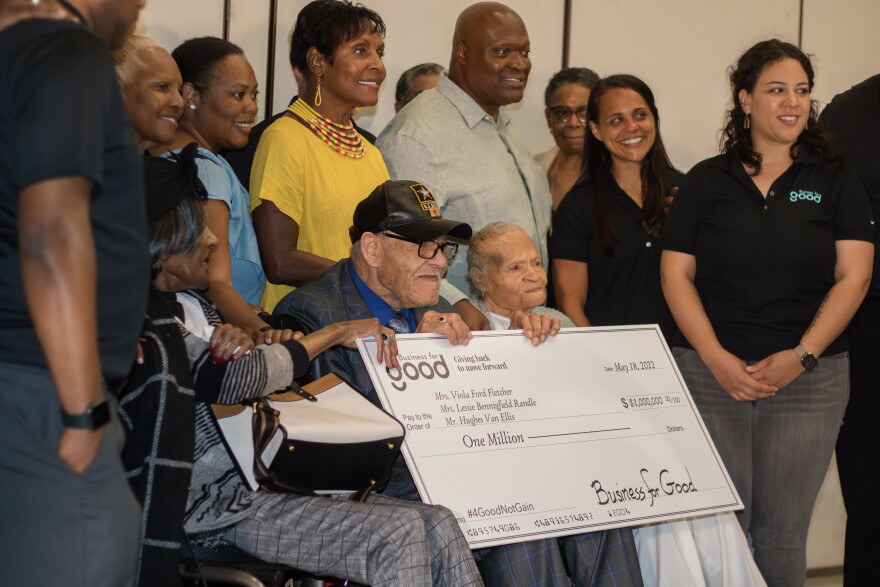
In May 2022, philanthropists Ed and Lisa Mitzen, through their nonprofit Business for Good, gave $1 million directly to the three then-living survivors of the 1921 Tulsa Race Massacre: Viola Ford Fletcher, Lessie Benningfield Randle and Hughes Van Ellis. The money was divided among the survivors.
That deserves recognition.
A Century Was Already Too Long
The survivors had spent more than a century living with the consequences of one of America’s most infamous episodes of racial violence. Greenwood, Tulsa’s prosperous Black community, was devastated by a white mob in 1921.
Mitzen said something beautifully uncomplicated about his decision: the fact that the injustice happened 101 years earlier did not erase the fact that these people had been wronged.
Exactly.
Time doesn’t magically transform injustice into justice.
Age doesn’t cancel a debt.
And history doesn’t become meaningless simply because the people who suffered have grown old.
Call It Reparative Giving
There is an important distinction. Mitzen himself said he did not consider the donation formal reparations. Reparations advocates have likewise argued that private philanthropy cannot substitute for accountability and compensation from institutions responsible for historical wrongdoing.
Fair enough.
But from the perspective of repairing harm, what the Mitzens did still deserves applause.
They didn’t merely commission another plaque about Greenwood.
They didn’t hold a symposium discussing whether something should eventually happen.
They transferred actual financial resources to actual survivors.
And perhaps that is what makes the gesture so powerful.
Flowers While They Could Still Smell Them
Hughes Van Ellis died in 2023. Viola Ford Fletcher died in 2025. Lessie Benningfield Randle died in 2026.
That makes the Mitzens’ decision even more poignant in retrospect.
These survivors didn’t have unlimited time.
Ed and Lisa Mitzen gave them something while they were still here to receive it.
Money cannot restore childhoods shattered by racial violence. It cannot rebuild the Greenwood of 1921. It cannot return lost property, businesses, neighbors or opportunities.
But it can say something tangible:
We believe what happened to you mattered.
We believe your suffering mattered.
And we refuse to let recognition consist solely of words.
For that, Black America should remember the names Ed and Lisa Mitzen.
Not because one private donation settled Tulsa’s century-old argument over reparations. It didn’t.
But because when confronted with an injustice committed long before they were born, they could have said, “That wasn’t our problem.”
Instead, they chose compassion.
They chose action.
And they wrote the check.
Thank you, Ed and Lisa Mitzen.
Sometimes humanity doesn’t need another speech.
Sometimes it needs a receipt.
—Kerry Hill, B1Daily





Leave a comment