—Sylvester Loving, B1Daily
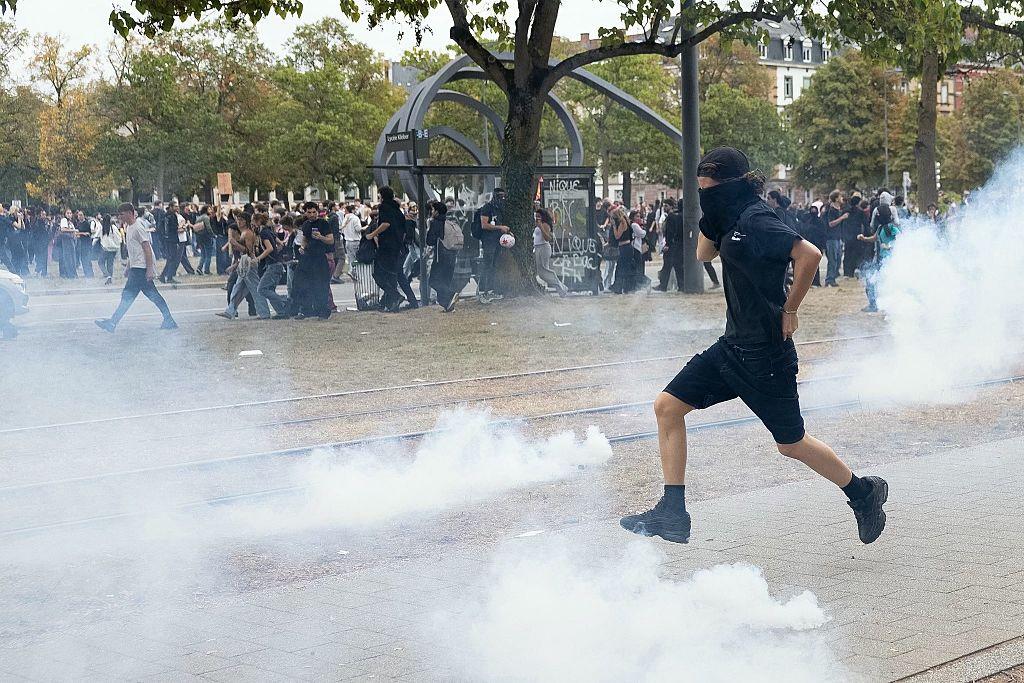
France is witnessing an extraordinary confrontation between its youngest citizens and the state. What began as student demonstrations demanding better schools has exploded into nationwide unrest, with burning barricades, tear gas, police batons, thousands of arrests, and allegations of excessive force against teenagers.
From Paris and Lyon to Strasbourg, Lille, and Rennes, French students have transformed school entrances into protest lines. Their grievances are straightforward: overcrowded classrooms, missing teachers, deteriorating facilities, exhausting schedules, and a government they believe has neglected public education.
But the demonstrations have become something much larger than an argument over school funding. They have evolved into a national controversy over policing, civil liberties, and how France responds when its youngest citizens challenge government priorities.
Tear Gas, Burning Barricades, and Thousands Arrested
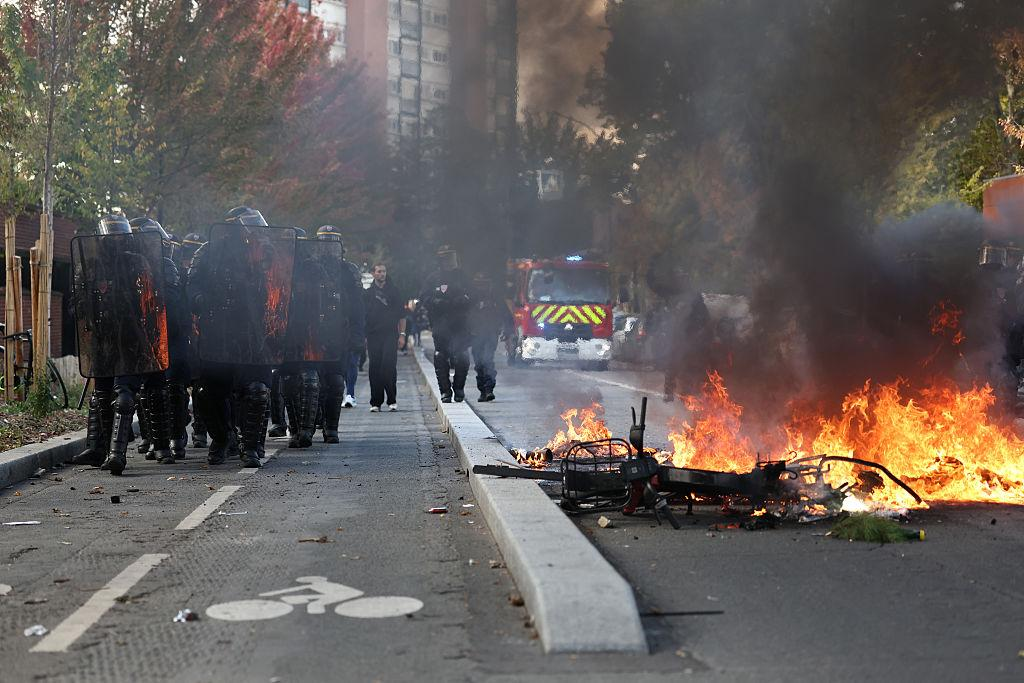
The confrontations intensified throughout late September and early October as police attempted to break up student blockades. In several cities, protesters set garbage bins ablaze, launched fireworks, and hurled objects toward officers. Police responded with tear gas, batons, and riot-control weapons.
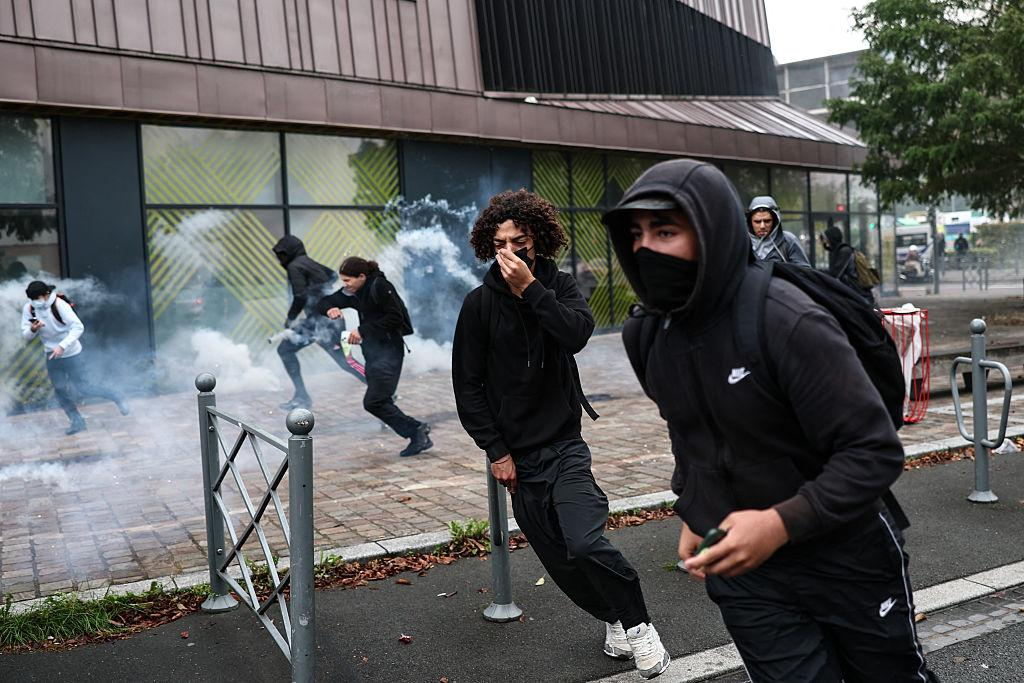
By October 6, more than 250,000 demonstrators had reportedly taken to the streets across France, with teachers, parents, and labor activists joining the student movement.
French authorities reported at least 215 teenagers and 85 school employees injured, alongside more than 700 police officers. Thousands of protesters, many of them minors, have been arrested.
One particularly disturbing incident involved a 15-year-old boy who lost his hand during a confrontation involving a police grenade. The incident intensified accusations of police brutality and prompted the French government to suspend the use of stun grenades during student demonstrations on October 7.
Investigations into other allegations of excessive police force are also underway.
Macron’s Government Faces a Growing Political Crisis
President Emmanuel Macron’s government is confronting the unrest while struggling with France’s public finances and a deeply divided parliament. Its proposed 2027 education budget includes a 1.7% increase, below inflation, despite widespread complaints about inadequate school resources.

Prime Minister Sébastien Lecornu has convened emergency discussions, while Interior Minister Laurent Nuñez has defended police intervention as necessary to prevent violence and protect students who wish to attend classes.
The government has also accused elements of the political left of encouraging the unrest, allegations rejected by leaders of the France Unbowed party.
Meanwhile, students and their supporters argue that their legitimate educational demands are being overshadowed by the government’s emphasis on public disorder.
When Students Become the Front Line
The most troubling aspect of France’s student uprising is the increasingly dangerous confrontation between police and minors. While attacks on officers, school employees, and public property have raised legitimate security concerns, allegations involving rubber bullets, grenade launchers, and serious injuries to teenagers have intensified scrutiny of police tactics.
The demonstrations also reveal a deeper political problem. France’s younger generation is questioning whether its government is prepared to invest in public education while pursuing broader spending restraints.
And with more demonstrations planned, the dispute is far from resolved.
France now faces two intertwined challenges: restoring safety around its schools and addressing the grievances that brought thousands of young people into the streets.
The question is whether meaningful negotiations can begin before another confrontation leaves students, teachers, or police officers seriously injured.
—Sylvester Loving, B1Daily


Leave a comment