—Kerry Hill, B1Daily
America’s mainstream media has a disturbing habit of turning sexual violence into a racial spectacle. When a Black man is accused of rape, his race can become a defining feature of the coverage. His photograph circulates, his background is scrutinized, and his alleged crime becomes part of a broader conversation about criminality. But when the accused is white, particularly wealthy, politically connected, or institutionally powerful, the coverage can take a very different shape.
The uncomfortable question is whether some newsrooms are more interested in the racial identity of an accused man than in the suffering of the person who was assaulted.
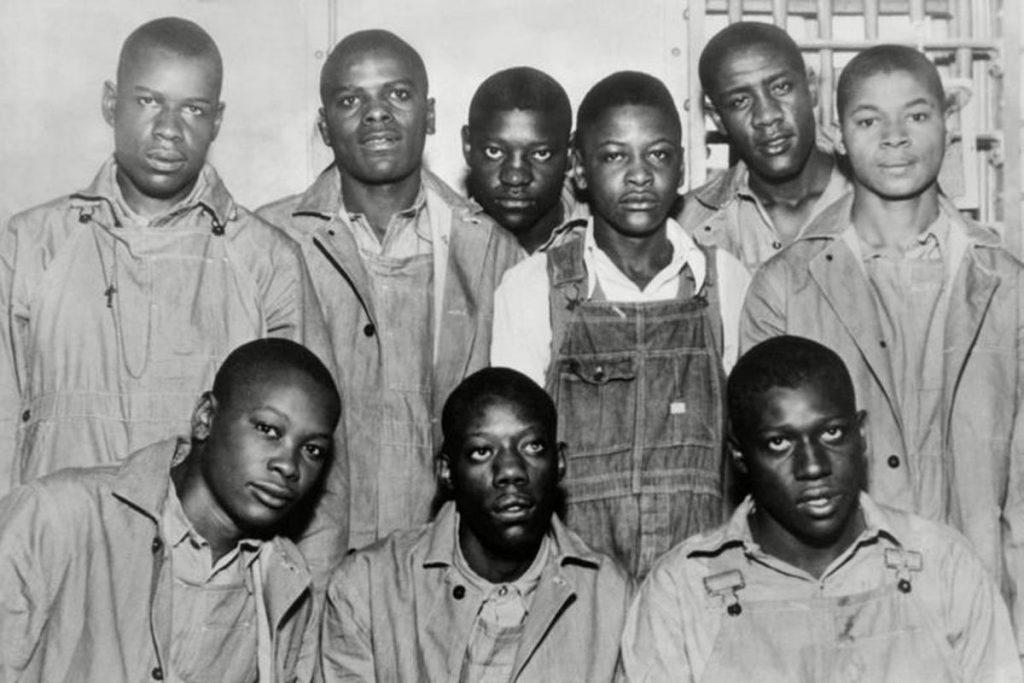
History provides plenty of reasons to examine that question. Black men in America have repeatedly faced sensationalized accusations of sexual violence, particularly against white women. During Jim Crow, the supposed protection of white womanhood became a justification for lynchings, mob violence, and the destruction of Black communities. The cases of the Scottsboro Boys and Emmett Till remain devastating reminders of what happens when racial hysteria replaces evidence and due process.
That history does not mean accusations against Black men should be dismissed. It means journalists have a particular responsibility to avoid recycling stereotypes that once helped justify racial terror.
When Race Becomes the Headline
Consider the difference between how news organizations sometimes describe suspects. A Black defendant may be introduced through his mugshot, criminal history, and neighborhood. A wealthy white defendant may receive a more elaborate portrait emphasizing his career, education, family, or reputation.
These differences are not universal, and they should be tested through systematic comparisons rather than assumed in every case. Nevertheless, research into racialized crime coverage has repeatedly raised concerns about how Black suspects are portrayed.
The problem becomes especially serious when accusations are treated as convictions. A Black man accused of sexual assault deserves the same presumption of innocence as any other defendant, regardless of how inflammatory the allegations may be.
And survivors deserve serious attention regardless of the accused person’s race.
What About the Powerful White Men?
The cases of Jeffrey Epstein, Harvey Weinstein, and Larry Nassar exposed horrific institutional failures surrounding sexual abuse. Their scandals received enormous coverage, demonstrating that the mainstream media certainly does report extensively on sexual violence committed by white men.
But those cases also revealed something equally troubling: powerful institutions can ignore complaints, protect influential individuals, and discredit victims for years before accountability arrives.
That is where the criticism of mainstream journalism becomes more substantial. Why do some allegations struggle to receive attention until lawsuits, criminal investigations, or overwhelming public pressure make silence impossible? How often are survivors without money, celebrity, or influential connections overlooked entirely?
The issue is not simply whether the accused is Black or white. It is whether racial stereotypes, institutional influence, and unequal access to media attention determine whose story becomes a national scandal.
Sexual Violence Should Never Be a Racial Propaganda Tool
Rape is a serious crime, not an opportunity to manufacture racial outrage. A victim assaulted by a white man has suffered no less than a victim assaulted by a Black man. Likewise, an innocent Black defendant deserves no less protection from reckless reporting than an innocent white defendant.
News organizations should be challenged whenever they sensationalize Black criminality, minimize allegations against powerful individuals, or treat victims differently because of their identities.
The standard should be consistent: investigate allegations thoroughly, respect survivors, protect due process, and report the facts without racial manipulation.
If the mainstream media truly cares about sexual violence, its commitment to accountability must remain the same regardless of who stands accused. Otherwise, journalism risks becoming less about justice and more about deciding whose alleged crimes are useful enough to make headlines.
—Kerry Hill, B1Daily




Leave a comment