
—Barrington Williams, B1Daily
The term African American has dominated American racial terminology for decades, appearing in government documents, universities, corporate institutions, and political discussions. However, for many Black Americans descended from American slavery, the label has become increasingly outdated, historically imprecise, and inadequate in describing their distinct ethnic identity.
The problem isn’t Africa. The problem is historical specificity.
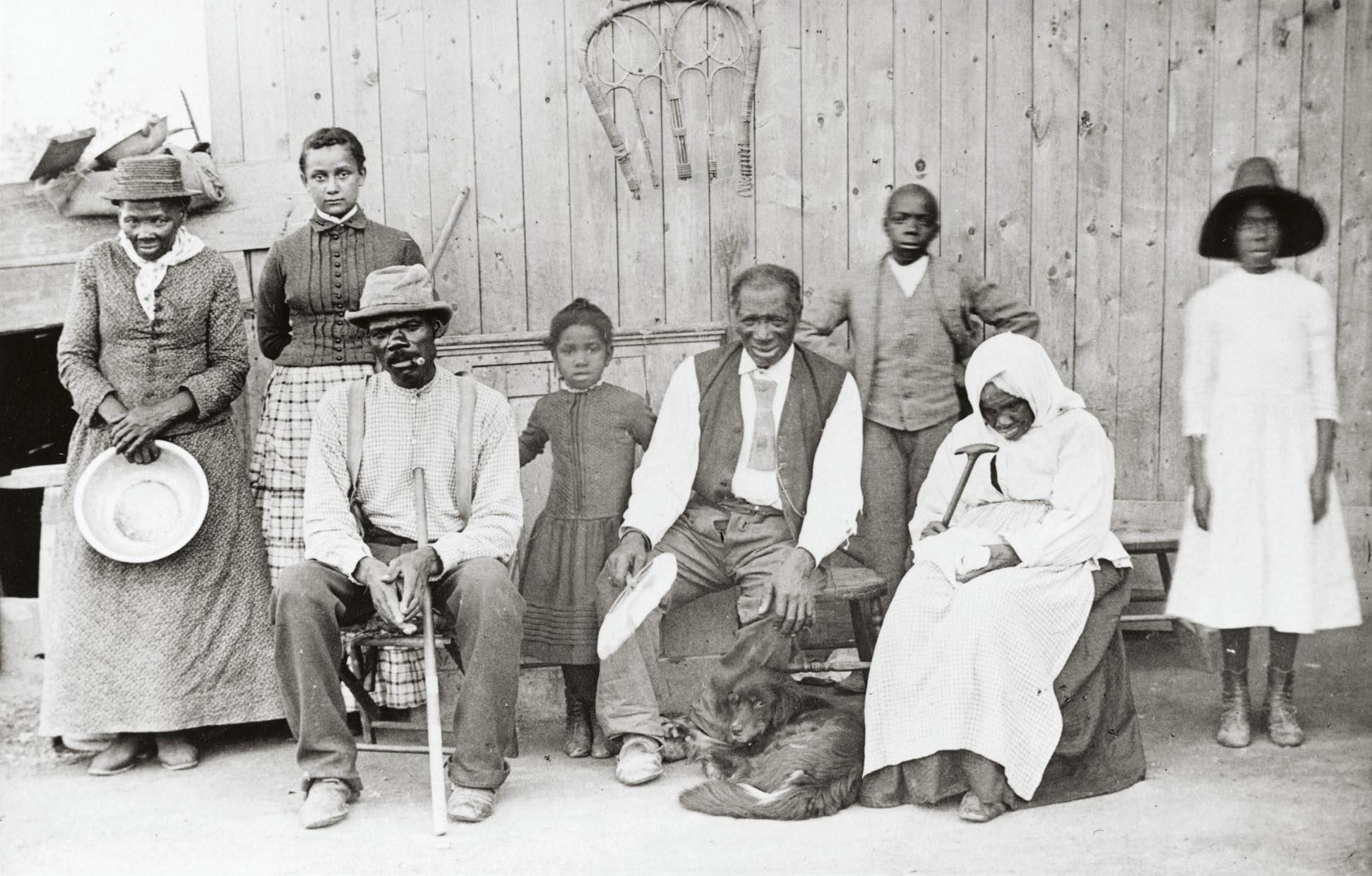
American Freedmen, also described by some as Foundational Black Americans, represent a population whose ancestry is deeply rooted in the United States. Their ancestors endured American chattel slavery, survived Reconstruction and Jim Crow, fought for constitutional citizenship, and developed a distinct culture that helped shape the nation itself.
Yet the term African American frequently places these descendants under the same broad classification as recent immigrants from Nigeria, Ghana, Ethiopia, and other African nations, despite their different ancestral histories and relationships with the United States.
That distinction becomes especially important when discussing reparations, inherited economic disadvantages, and government accountability.
Freedmen Is a Historical Identity, Not Just a Racial Classification
Following emancipation, formerly enslaved Black Americans were commonly identified as freedmen and freedwomen. Congress established the Freedmen’s Bureau in 1865 to assist formerly enslaved people and other populations affected by the Civil War.
Today, some descendants have revived the term American Freedmen to emphasize their historical lineage and distinguish their ancestry from the broader Black immigrant population.
Others prefer Foundational Black Americans, emphasizing their ancestors’ contributions to America’s development, economy, institutions, and cultural identity.
Unlike African American, these terms are intended to describe a specific American historical population rather than a broad racial classification.
This distinction does not invalidate the identities of African immigrants or their descendants. It simply acknowledges that sharing a racial classification does not automatically mean sharing the same ancestry, historical experiences, or claims for restitution.
Jesse Jackson’s 1988 Rebranding Created a Lasting Identity Debate
Civil rights leader Jesse Jackson helped popularize the term African American in 1988, arguing that Black Americans deserved an identity connecting them to their ancestral homeland, much as Irish Americans and Italian Americans maintained connections to their respective ethnic histories.
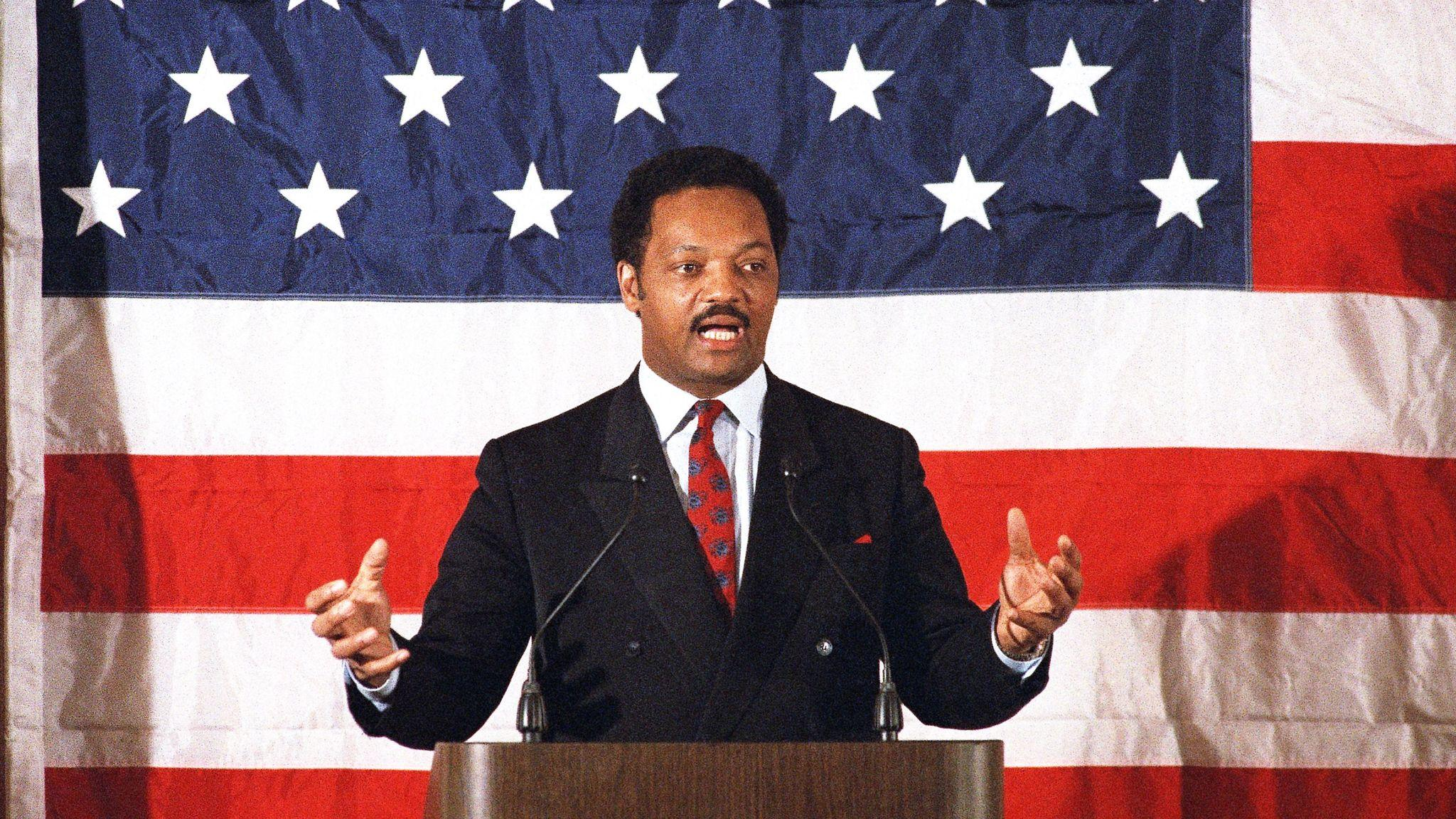
Although the intention was to promote cultural dignity, the terminology introduced a significant complication.
Africa is a continent containing dozens of nations and thousands of distinct ethnic communities. It is not a single ethnicity.
Meanwhile, descendants of American slavery developed their own ethnic and cultural traditions within the United States, including distinctive music, cuisine, religious institutions, language, literature, and political movements.
The term African American can obscure this uniquely American historical development by emphasizing distant continental origins rather than the population’s specific American lineage.
Reparations Require Lineage, Not Simply Blackness
Perhaps the strongest argument for distinguishing American Freedmen from the broader African American classification concerns reparations.
A reparations program designed to address American chattel slavery and its continuing consequences would require identifying descendants of people subjected to that institution.
A Nigerian American whose family immigrated in 1995 and an American Freedman whose ancestors were enslaved in Mississippi in 1820 may both experience anti-Black discrimination. However, their ancestral relationships to American slavery are fundamentally different.
This does not diminish the discrimination African immigrants may experience. It recognizes that reparations for a particular historical injustice require clearly identifying the population connected to that injustice.
Broad racial classifications alone cannot accomplish that task.
Black Americans Are More Than a Continental Label
American Freedmen possess a history that predates the establishment of the United States itself. Their ancestors helped construct America’s infrastructure, agricultural economy, cities, and institutions while being denied the rights and compensation afforded to other Americans.
Their descendants subsequently developed influential cultural traditions, organized historic civil rights campaigns, and fought to secure constitutional protections that transformed American society.
Reducing this distinct historical population to a generalized continental identity risks overlooking the very experiences that distinguish its members from other communities.
Recognizing American Freedmen as a distinct population does not require abandoning broader Black solidarity or denying anyone the right to identify as African American. Many descendants of slavery continue to embrace that term.
Nevertheless, racial solidarity should not come at the expense of historical precision.
African American may remain a valid personal identity, but it is insufficient as the sole designation for descendants of American slavery.
American Freedmen deserve recognition as a distinct historical and cultural community whose ancestry, contributions, and claims for justice are inseparable from the United States.
Their history is American. Their lineage is identifiable. And their identity deserves a name that reflects both.
—Barrington Williams, B1Daily




Leave a Reply