—Barrington Williams, B1Daily
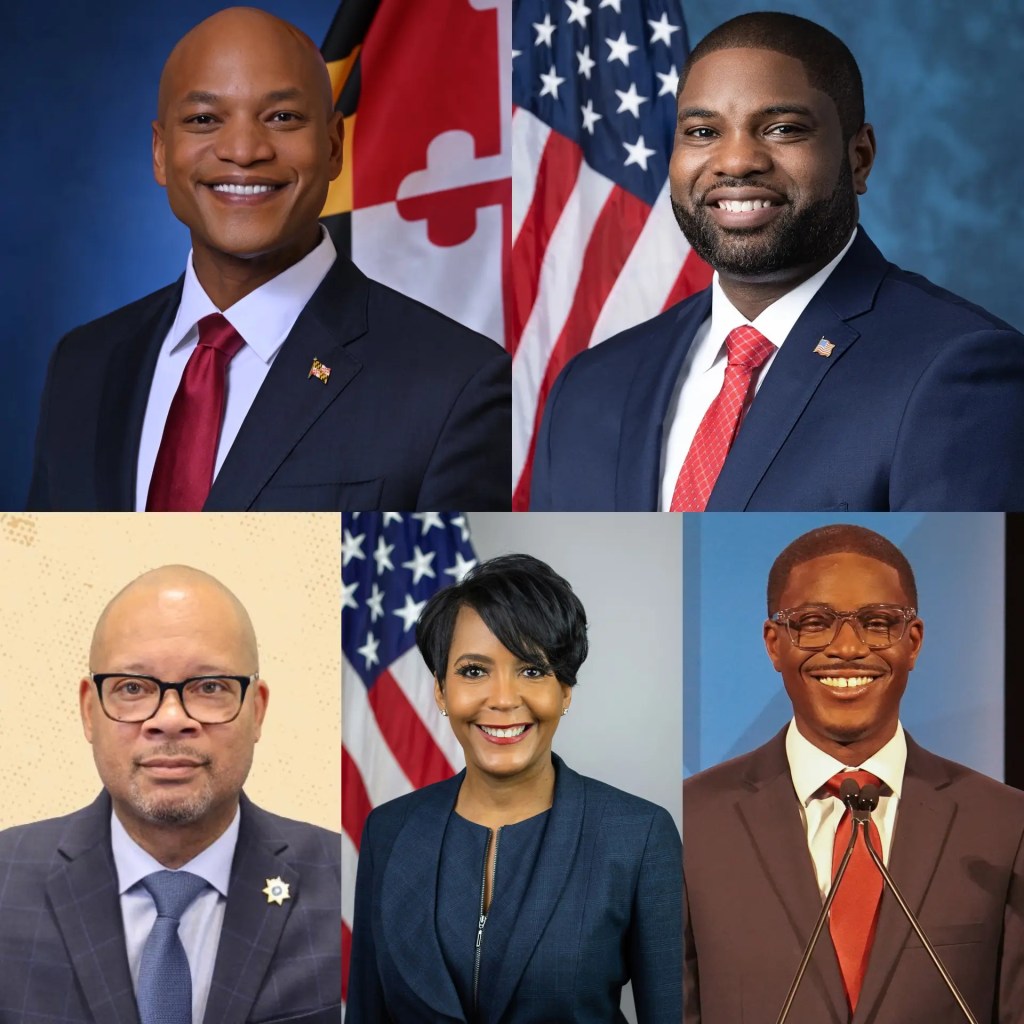
The 2026 midterm elections have brought renewed attention to Black political representation, with more Black Americans reaching prominent elected offices. But an uncomfortable question remains: Does putting more Black faces in positions of power necessarily improve the lives of ordinary Black Americans?
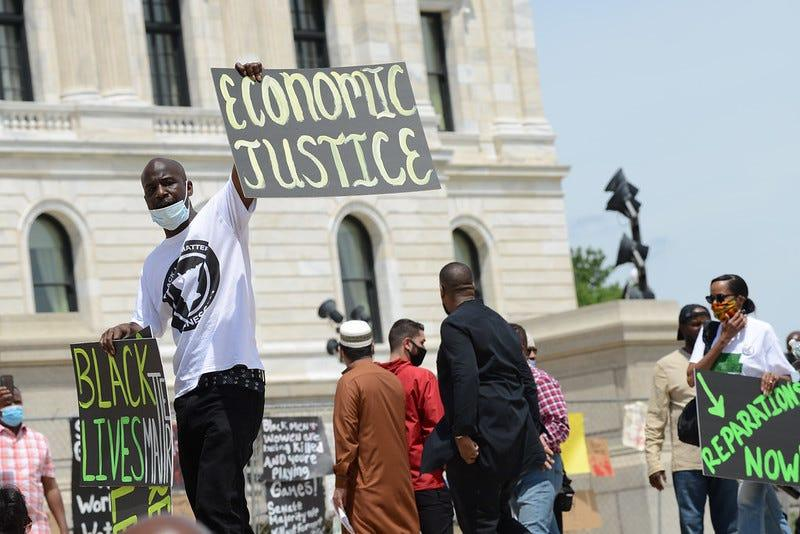
In her November 11 commentary for Black Agenda Report, executive editor Margaret Kimberley revisits an argument the publication has advanced for two decades: racial representation should not be confused with political liberation.
The publication’s longstanding criticism of what it calls the Black misleadership class challenges the assumption that shared racial identity guarantees shared political interests.
Representation Is Not the Same as Results
Black political representation carries undeniable historical significance. Generations of Black Americans fought segregation, disenfranchisement, and exclusion from public office.
However, winning access to institutions is different from changing how those institutions operate.
A Black mayor can preside over a city struggling with housing displacement. A Black member of Congress can support legislation that critics believe benefits corporations more than working families. A Black governor can celebrate historic representation while facing unresolved questions about economic inequality.
These outcomes do not establish that Black officials are uniquely responsible for structural problems. They demonstrate that racial identity alone cannot determine a politician’s priorities, decisions, or effectiveness.
The relevant measure is policy.
The Problem With Symbolic Victories
Political parties frequently celebrate demographic milestones as evidence of progress. Firsts are announced, historic photographs circulate, and speeches emphasize how far the country has come.
Yet symbolic accomplishments cannot substitute for affordable housing, access to capital, functioning public schools, or accountable public institutions.
For Black Americans whose families have experienced generations of discriminatory policies, representation may be meaningful without being sufficient.
A historic election can create opportunities for reform, but it cannot guarantee that reform will follow.
The distinction is especially important when political celebrations become detached from the material conditions experienced by the communities being celebrated.
Black Political Leadership and Corporate Power
Kimberley’s broader critique also raises questions about the relationship between elected officials and powerful economic interests.
Black politicians operate within the same campaign-finance structures, lobbying systems, party organizations, and legislative constraints as their colleagues.
Corporate donors, developers, financial institutions, and influential political organizations can shape the policy environment regardless of an officeholder’s racial background.
This does not mean every Black politician serves corporate interests. It means that examining financial relationships and legislative records is more informative than assuming a politician’s identity establishes whose interests they represent.
Political accountability requires scrutiny of campaign funding, public contracts, budget priorities, and actual policy outcomes.
Where Are the Specific Commitments?
The debate becomes particularly significant when considering policies intended to address the historical disadvantages experienced by descendants of American slavery.
Questions surrounding reparations, discriminatory lending, Black homeownership, neighborhood displacement, and the racial wealth gap require detailed policy proposals.
General promises of opportunity and inclusion may address some of these concerns, but they are not necessarily substitutes for targeted remedies.
Voters can reasonably ask whether elected officials support reparations studies, specific housing initiatives, stronger enforcement of civil-rights protections, or programs designed to expand access to business capital.
They can also examine whether those proposals are funded, implemented, and evaluated.
Without measurable commitments, political representation risks becoming a substitute for substantive debate rather than a pathway toward meaningful change.
Political Accountability Must Outlast Election Night
The argument advanced by Black Agenda Report is ultimately a challenge to the idea that representation should end political scrutiny.
Elected officials deserve evaluation based on their decisions, not automatic approval or condemnation because of their racial identity.
Supporters of greater Black representation emphasize that diverse leadership can introduce neglected perspectives, improve responsiveness, and challenge exclusionary institutions. Critics counter that these potential benefits must be demonstrated through concrete outcomes.
Both concerns point toward the importance of sustained public accountability.
Black political progress can be measured through access to elected office, but it must also be examined through economic opportunity, civil rights, community investment, and the distribution of political power.
The presence of Black officials in influential positions is a significant historical development. Whether that presence produces lasting improvements depends on what those officials do with the authority they receive.
The question is not simply who occupies the office. It is whose interests the office serves.
—Barrington Williams, B1Daily




Leave a Reply