—Barrington Williams, B1Daily
In American conservative media, a public scandal no longer necessarily ends a career. Sometimes it marks the beginning of a more profitable one. A television personality loses a network contract, faces public outrage, or becomes too controversial for traditional advertisers. Later, that same personality resurfaces with a podcast, an independent subscription platform, and an audience convinced that the establishment tried to silence them.
Behind several of these reinventions sits a company many Americans have never heard of: Red Seat Ventures. Founded in 2015 by brothers Chris and Kevin Balfe, the company provides production, marketing, advertising, technology, and business development services to prominent media personalities. Its client roster has included Tucker Carlson, Megyn Kelly, Bill O’Reilly, Piers Morgan, and Eric Bolling. Not all its clients are conservatives or have experienced scandals, but its work with several former television stars reveals how controversy can become a business opportunity.

The Conservative Media Comeback Machine
Red Seat Ventures is not simply a public-relations agency. It helps creators build independent media operations capable of generating advertising revenue, subscriptions, merchandise sales, and income from live events. The most effective form of reputation rehabilitation may no longer require convincing critics that a personality has changed. It can mean building a profitable ecosystem where those critics no longer matter.
A television network must consider advertisers, corporate executives, legal exposure, and public pressure. An independent commentator with a loyal audience operates under different economic incentives. The personality becomes the brand, controversy can become part of the marketing, and the audience becomes the financial foundation. There is no public evidence that Red Seat deliberately orchestrates scandals or secretly manufactures rehabilitation campaigns.
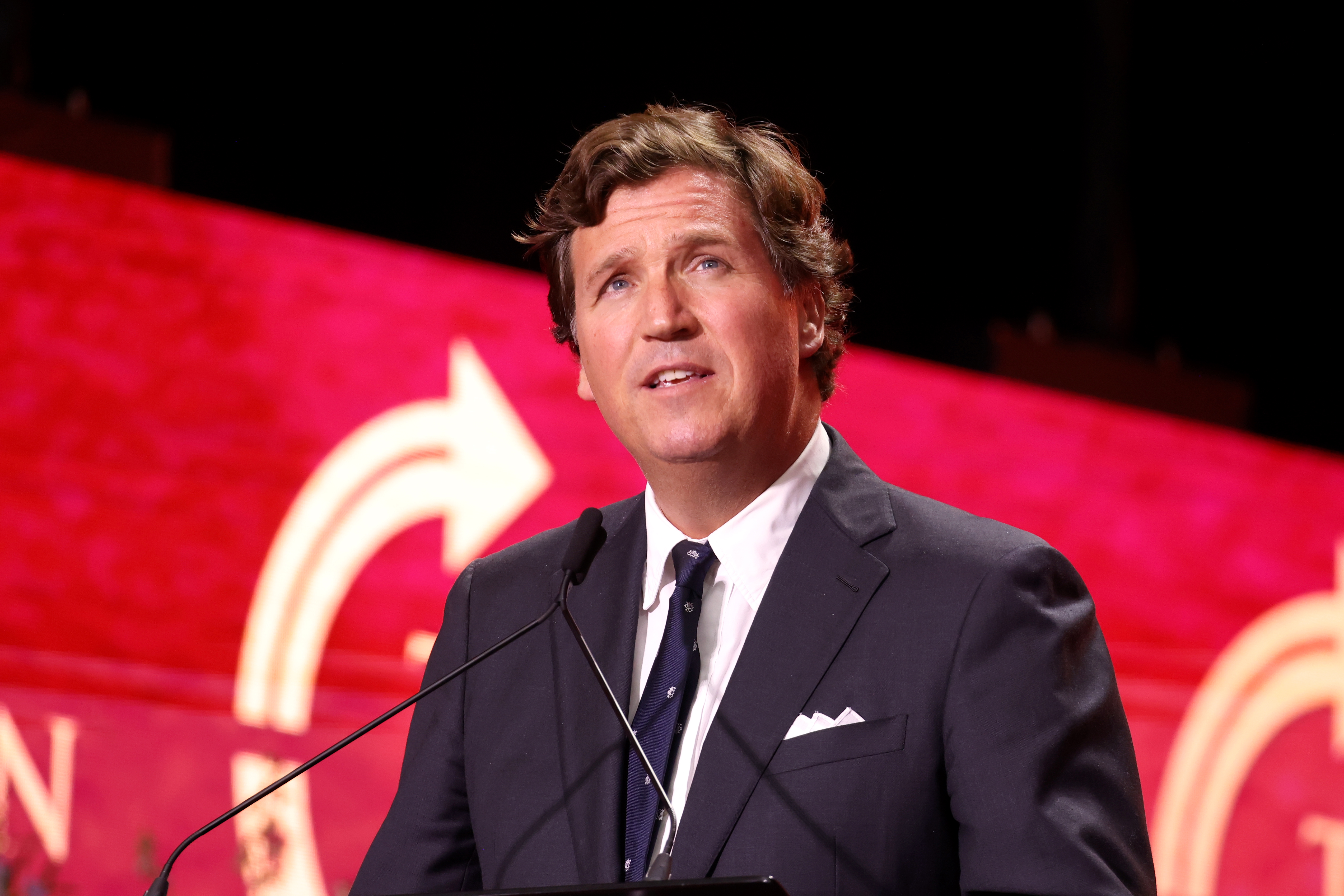
Tucker Carlson: Fired From Fox, Reborn Online
In April 2023, Fox News abruptly parted ways with Tucker Carlson, one of cable television’s most influential conservative commentators. His departure came shortly after Fox agreed to pay $787.5 million to settle Dominion Voting Systems’ defamation lawsuit over false election claims. Fox did not fully disclose its reasons for ending the relationship.
Carlson expanded his independent digital presence, building a media business around his name and political identity. Red Seat Ventures became one of the companies supporting his independent programming. For critics, his continued prominence raises questions about accountability for inflammatory political commentary. For supporters, his independence represents freedom from corporate gatekeepers. For a media-services company, a central commercial question is whether the audience keeps watching and paying.
Megyn Kelly: From Blackface Controversy to Independent Media
In 2018, Megyn Kelly faced intense criticism after questioning why blackface Halloween costumes were considered offensive. Her comments drew widespread condemnation, including from Black colleagues at NBC who emphasized the racist history of blackface entertainment. Kelly apologized, but NBC canceled her morning program and she subsequently departed the network.
Kelly later launched an independent podcast and developed a substantial digital audience, with Red Seat providing business support. Her comeback illustrates the difference between rebuilding a career and rebuilding public trust. Independent media allowed her to appeal directly to listeners who appreciated her commentary, including those who thought the original backlash was excessive.
Bill O’Reilly: Scandal, Settlements, and a Second Act
Bill O’Reilly left Fox News in 2017 following extensive reporting about sexual harassment allegations and settlements involving women connected to his programs. The New York Times reported multiple settlements involving allegations against O’Reilly, including one reportedly worth approximately $32 million. O’Reilly denied the allegations.
He continued producing political commentary through a subscription-based operation and maintained a dedicated audience. Red Seat has been among the businesses supporting his independent programming. His survival demonstrates that a scandal can end a prestigious television job without ending the commercial value of a public personality. This does not establish that Red Seat endorsed alleged conduct or tried to conceal it.
Fox Corporation Bought the Business
In February 2025, Fox Corporation announced its acquisition of Red Seat Ventures, placing the company within Fox’s Tubi Media Group while Chris and Kevin Balfe continued to lead its operations. Fox and Red Seat emphasized that creators would maintain editorial independence.
The arrangement is striking: a corporation whose news division had separated from some major personalities now owned a business-services company supporting independent programming associated with former television stars. Fox said Red Seat’s 17 creator-led shows collectively generated more than 200 million monthly active views in November 2024. Whatever the controversies surrounding individual personalities, those audiences represent significant commercial potential.
Reputation Rehabilitation Without an Apology
The issue is not whether controversial commentators should be allowed to work. They retain the right to speak, publish, and build businesses. The question is whether the media industry has developed an economic system in which public accountability becomes less relevant to commercial success.
A commentator can lose a job, frame the backlash as persecution, declare independence from traditional media, and ask supporters to finance a new platform. The audience may see itself not merely as consuming commentary but as participating in a struggle against an establishment. That emotional investment can become subscriptions, merchandise purchases, ticket sales, and sustained attention. Red Seat provides infrastructure that helps make such operations viable.
Who Benefits From the Comeback Economy?
Media personalities gain control over distribution and revenue. Platforms gain programming that attracts engagement. Advertisers reach loyal audiences. Business-services companies earn revenue helping creators expand. Traditional networks have often been criticized for protecting profitable stars despite serious allegations. Independent media may remove some corporate gatekeepers altogether.
Supporters argue this democratizes the industry by allowing audiences to decide whom they trust. Critics argue it creates a marketplace in which scandal can be converted into financial loyalty without meaningful reflection or accountability. Both dynamics can coexist. Rebuilding a career can be measured in audience growth and revenue. Repairing a reputation requires public trust and an honest examination of the conduct that caused controversy.
The Questions Red Seat Ventures Should Answer
What standards does Red Seat use when evaluating potential clients? Does it consider serious misconduct allegations or the consequences of inflammatory programming? How does it balance brand safety with the commercial appeal of controversial personalities? What safeguards ensure the pursuit of audience growth does not overwhelm other considerations?
These are questions about corporate responsibility, not accusations of undisclosed wrongdoing. Red Seat’s documented activities do not establish a secret reputation-laundering operation. They establish a successful commercial infrastructure that can help controversial media figures remain influential regardless of whether their broader reputations recover.
The New Rules of Conservative Media
The era when a television executive could effectively end a commentator’s career by canceling a contract is fading. A recognizable personality can now turn notoriety into an independent business, supported by sophisticated production, marketing, and advertising operations. Red Seat Ventures has become an important company in that transformation.
The attention economy has an uncomfortable truth: public condemnation does not necessarily reduce a personality’s market value. Sometimes it concentrates that value among a smaller, more committed, and more financially supportive audience. The question is whether the industry has become so profitable at engineering second acts that genuine accountability is being pushed out of the business model.
—Barrington Williams, B1Daily


Leave a Reply