—Barrington Williams, B1Daily
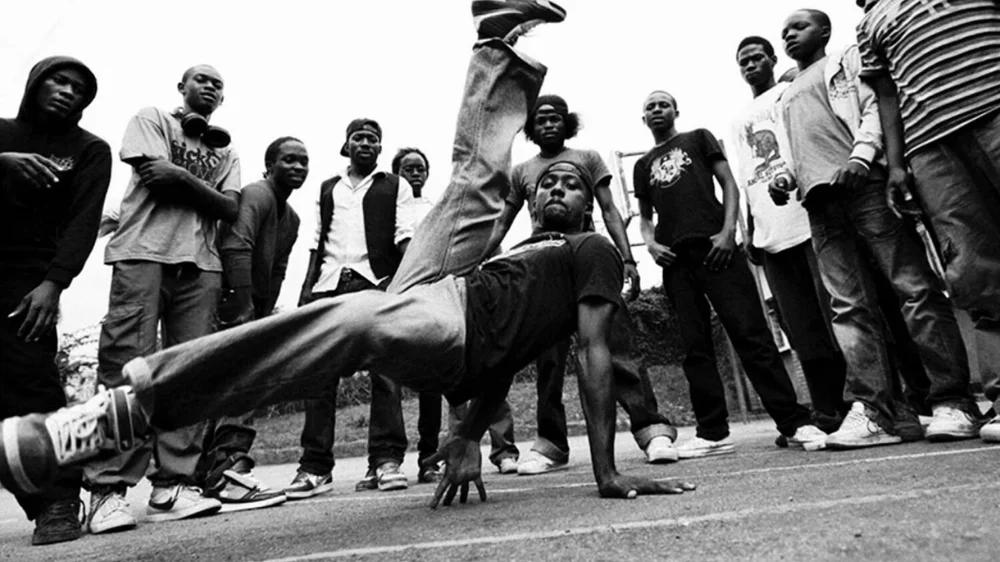
Hip-hop plays in Lagos. Black American slang travels through London. Sneakers, hairstyles, dances, fashion and musical styles born in Black American communities can appear almost anywhere on Earth within days. Black American culture has become one of America’s most successful exports.
But its enormous popularity has created an uncomfortable question: When does cultural appreciation become cultural erasure?
The debate becomes particularly complicated inside the African diaspora. Black Americans, Africans, Afro-Caribbeans and Black Europeans share historical connections, but they are not culturally interchangeable populations. The existence of common African ancestry does not erase the distinct histories that produced their cultures.
Black American culture deserves the same recognition.
Black American Culture Was Created in America
Black American culture undeniably carries African roots. But what developed in the United States was not simply African culture preserved unchanged across centuries.
The Smithsonian describes African American music as a hybrid tradition that combined African influences with European, Native American and other influences encountered in America. Out of that process came distinctly African American musical traditions that eventually transformed American and global culture.
Blues emerged from the Black American experience. Jazz developed largely within Black American communities. Gospel, rhythm and blues, soul, funk and later hip-hop emerged through specific Black American historical environments.
These weren’t simply “diaspora creations.”
They had addresses.
They came from places such as New Orleans, Chicago, Detroit, Memphis, Harlem and the Bronx.
Hip-hop provides perhaps the clearest modern example. The Smithsonian describes it as beginning during the 1970s as a distinctly African American urban culture before developing into a worldwide phenomenon. At the same time, hip-hop also incorporated broader Caribbean and diasporic influences, demonstrating how cultural creation can have both a specific birthplace and multiple influences.
That distinction matters.
Shared Ancestry Doesn’t Mean Shared Ownership
There is nothing wrong with Africans, Jamaicans, Nigerians, Ghanaians, Trinidadians, Black Britons or anybody else enjoying Black American culture.
Culture travels. That’s what successful culture does.
Black Americans themselves have borrowed, exchanged and collaborated extensively with other parts of the African diaspora. The Smithsonian notes that African American musicians have repeatedly incorporated influences from Africa, Latin America and the Caribbean, with Afro-Cuban music becoming particularly important to the development of Latin jazz.
Cultural exchange is therefore part of the story.
But exchange requires acknowledging where something came from.
Imagine describing reggae simply as “Black music” while barely mentioning Jamaica. Or treating Afrobeats as generic diaspora music without acknowledging its West African development.
Most people would immediately recognize what had been erased.
Black American creations deserve the same specificity.
The Internet Made the Problem Bigger
Social media has turned culture into downloadable software.
A phrase develops in a Black American community, spreads through Black social media, gets picked up by influencers and eventually becomes labeled “Gen Z slang.”
A dance can follow the same trajectory.
A fashion aesthetic moves from a particular community to TikTok, advertising and international entertainment until its origin becomes nearly invisible.
The economic rewards can become separated from the people who created the cultural product.
And that is where arguments over cultural ownership become more than internet squabbles.
They become arguments about credit and money.
Black Americans have seen versions of this movie before.
American entertainment industries repeatedly commercialized Black musical innovation while Black performers fought for control, recognition and compensation. Yet those innovations became foundational to American popular music. The Smithsonian goes so far as to say African American influence is so fundamental that American music as we know it could not exist without it.
Today the machinery moves faster.
Instead of waiting years for an industry to commercialize something, social media can accomplish it in a weekend.
Diaspora Solidarity Shouldn’t Require Cultural Erasure
This is where the conversation becomes uncomfortable.
Some people treat insisting upon a distinct Black American culture as somehow hostile to Pan-Africanism or diaspora solidarity.
It shouldn’t be.
Recognizing Jamaican culture doesn’t insult Nigerians.
Recognizing Nigerian culture doesn’t insult Ghanaians.
Recognizing Haitian culture doesn’t diminish African Americans.
So recognizing Black American culture as Black American shouldn’t be controversial either.
Black Americans developed a distinct ethnic culture through slavery, Reconstruction, segregation, the Great Migration, urbanization, the Black church, the Civil Rights Movement and hundreds of years of life in the United States.
That history produced cultural traditions that are related to Africa but are not identical to African cultures.
The Smithsonian itself describes African American music as simultaneously rooted in Africa and a distinctly American phenomenon.
Both things can be true.
Nobody Can Put Culture Behind a Fence
There is ultimately no cultural deed sitting in a courthouse declaring who legally owns hip-hop, jazz, slang or fashion.
Nor should there be.
Culture grows because people participate in it.
But participation and attribution are different things.
A Nigerian teenager can love hip-hop. A Black British rapper can become extraordinary within the genre. A Jamaican producer can influence American music. A Black American artist can build something incredible from African or Caribbean inspiration.
That is diaspora exchange at its best.
The problem begins when exchange becomes historical amnesia.
Black American culture has become so globally successful that some of its creations are increasingly described simply as “Black culture,” removing the particular population that developed them.
That might sound inclusive.
But inclusion should not require removing the creator’s name from the label.
Black Americans don’t need exclusive permission to control who enjoys their culture.
They need something much simpler:
Recognition of where the culture came from, protection of the history behind it and a fair opportunity for the communities producing cultural innovation to benefit economically from what they create.
The African diaspora can celebrate Black American culture without absorbing its identity.
Because sharing culture should expand its reach.
It shouldn’t erase its address.
—Barrington Williams, B1Daily



Leave a Reply