—Michael Lyles, B1Daily
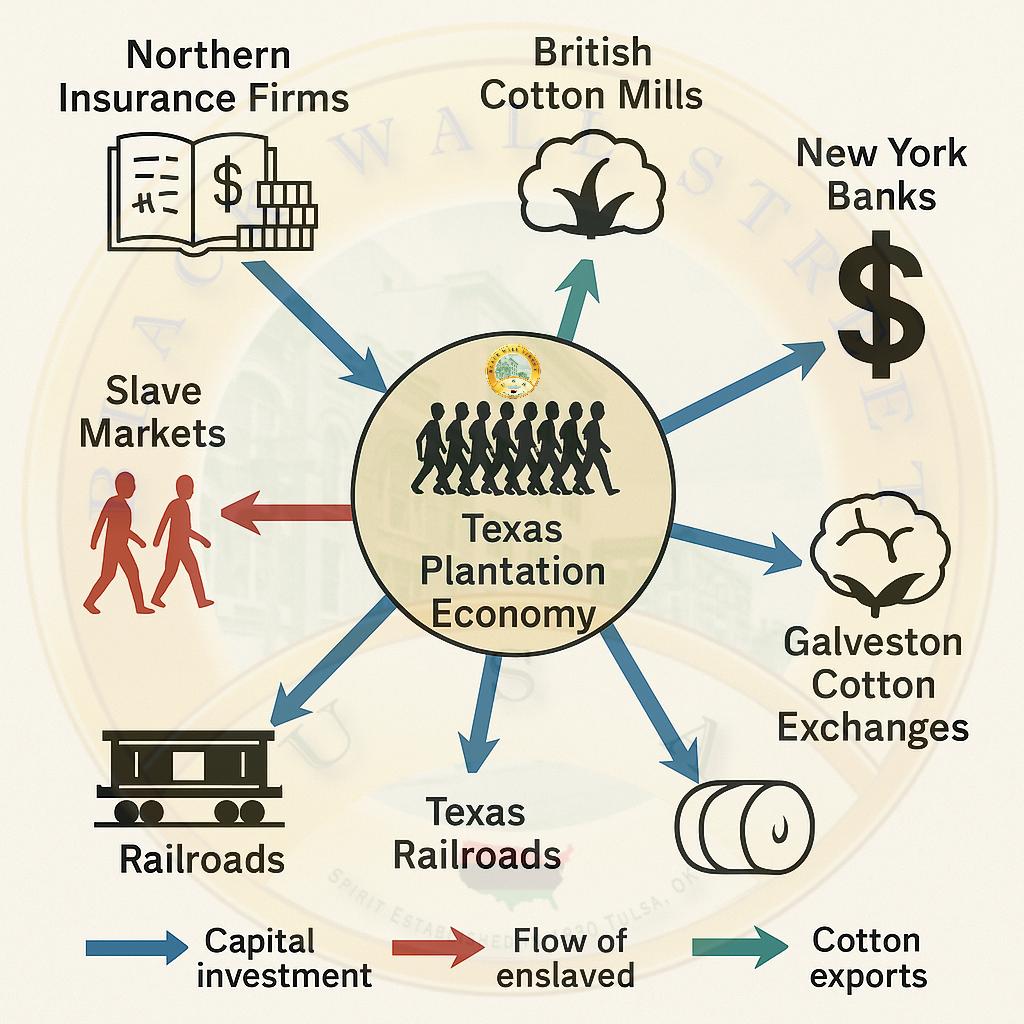
Corporate America did not merely operate alongside white supremacy. Parts of the American financial system helped turn slavery and racial exclusion into profitable business. The historical record includes insurance policies written on enslaved people, banks accepting human beings as collateral and lending practices that denied Black families opportunities to build wealth.
The paper trail is not theoretical. In 2005, JPMorgan Chase acknowledged that two predecessor Louisiana banks had accepted approximately 13,000 enslaved people as collateral and had taken ownership of about 1,250 through defaults. The bank apologized and established a $5 million scholarship program for African American students from Louisiana. That was a significant acknowledgment, but it was not direct compensation to descendants for the wealth extracted from their ancestors.
Insurance companies participated in the same economy. Aetna acknowledged selling policies that insured slaveholders against the deaths of enslaved people. Historical records collected by California insurance regulators also document slavery-era policies connected to New York Life’s predecessor, Nautilus. In these transactions, the enslaved person was treated as a financial asset, while the policyholder received protection against a loss.
The economic relationship between racial hierarchy and private profit did not end with emancipation. During the twentieth century, redlining and discriminatory mortgage lending helped restrict Black access to homeownership and credit. Federal housing policies reinforced exclusion, while banks and real-estate markets benefited from a system that distributed financing and appreciating property unevenly. Those practices contributed to disparities that outlived the laws and policies that sustained them.
Reparations advocates argue that an apology, scholarship or charitable donation cannot substitute for an accounting of unjust gains. They have sought corporate archives, restitution and remedies for descendants of people enslaved in the United States. Lawsuits against companies with historical ties to slavery encountered substantial legal barriers, including questions of standing, causation and the passage of time. Courts’ rejection of particular claims did not erase the underlying archival evidence.
Corporations offer a competing argument: today’s shareholders, employees and customers are not necessarily responsible for acts committed by predecessor institutions generations ago, and tracing specific profits across mergers and centuries is extraordinarily difficult. Those are serious questions about how a remedy would be designed, but they do not answer whether documented historical benefits warrant public disclosure and some form of repair.
The central question is therefore larger than whether one company issued an apology. If institutions can inherit brands, assets and commercial advantages from their predecessors, should they also examine the liabilities of that history? For descendants of American slavery, a meaningful reckoning would begin with transparent records and an honest assessment of who accumulated wealth, who was excluded from it and what restitution could reasonably look like.
—Michael Lyles, B1Daily


Leave a Reply